


Quick accommodation search
Holiday apartments in Croatia 2024
Self catering apartments, rooms and all other types of private accommodation in Croatia. Book directly with no commission
Forget about high agency commissions and save up to 40% by arranging your apartments directly with home rentals.
Book directly with no commission
Forget about high agency commissions and save up to 40% by arranging your apartments directly with home rentals.
40.000+ holiday apartments
Search the database of more than 40.000 holiday apartments in Croatia by categories or through the accommodation search.
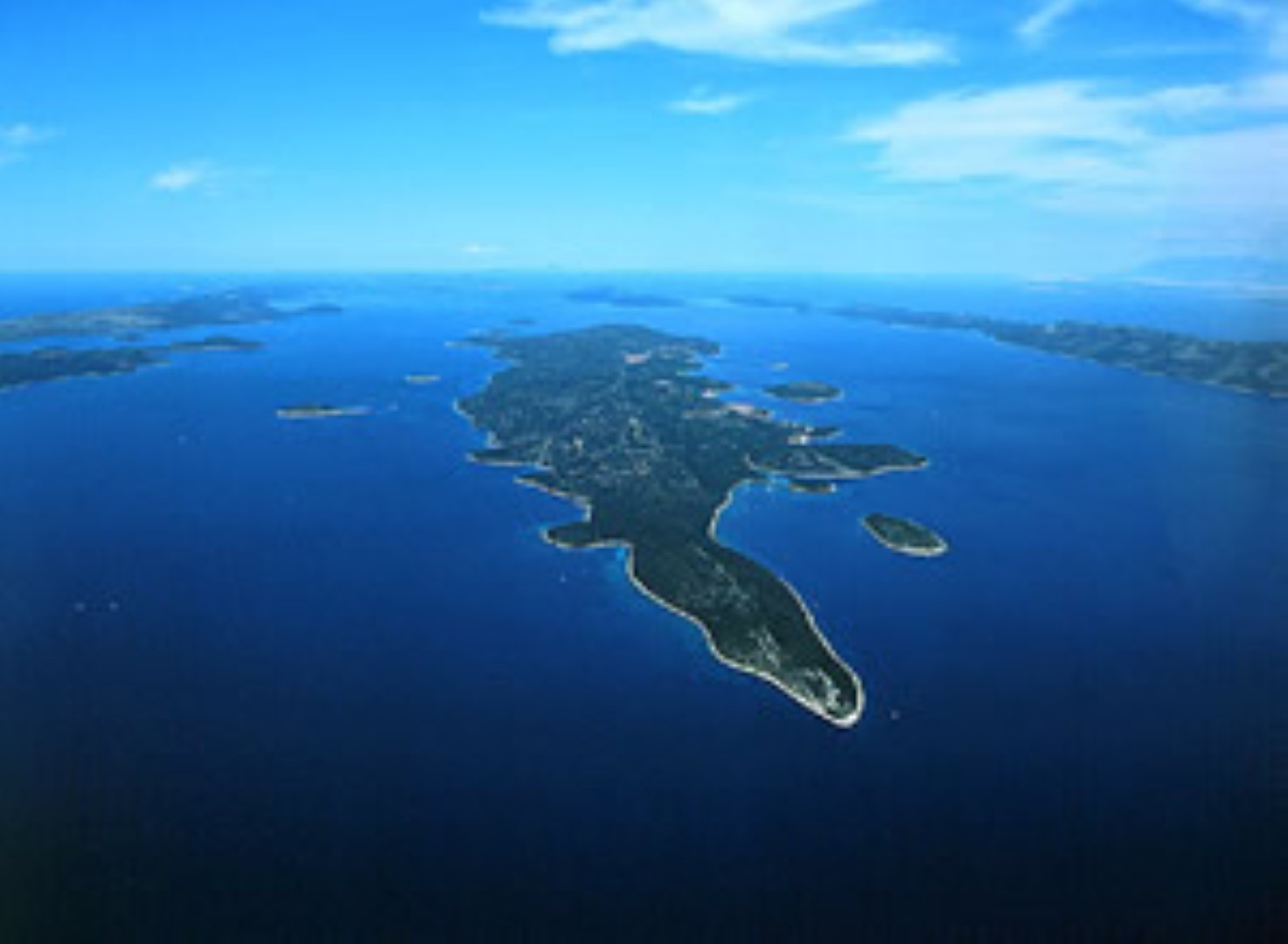
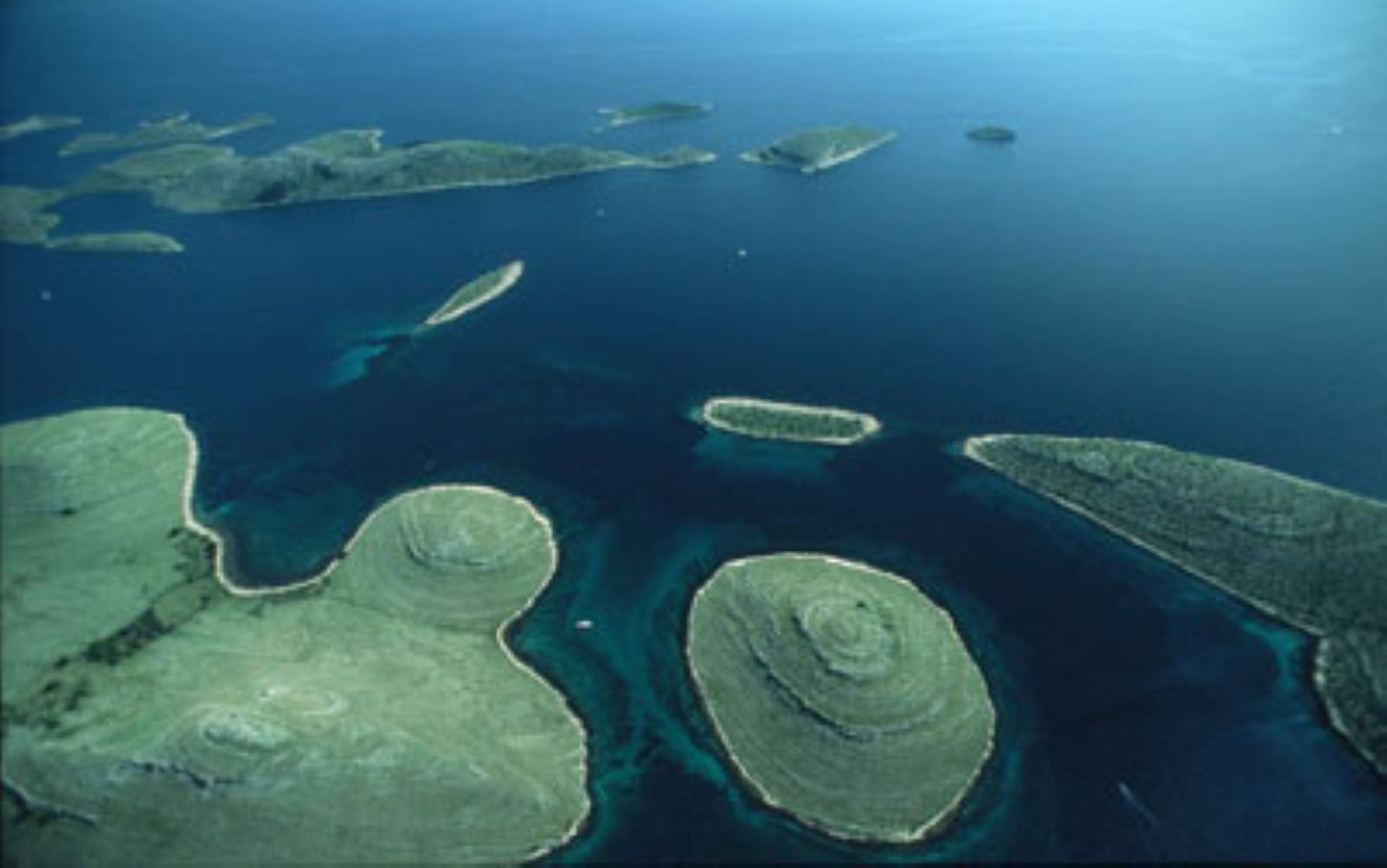
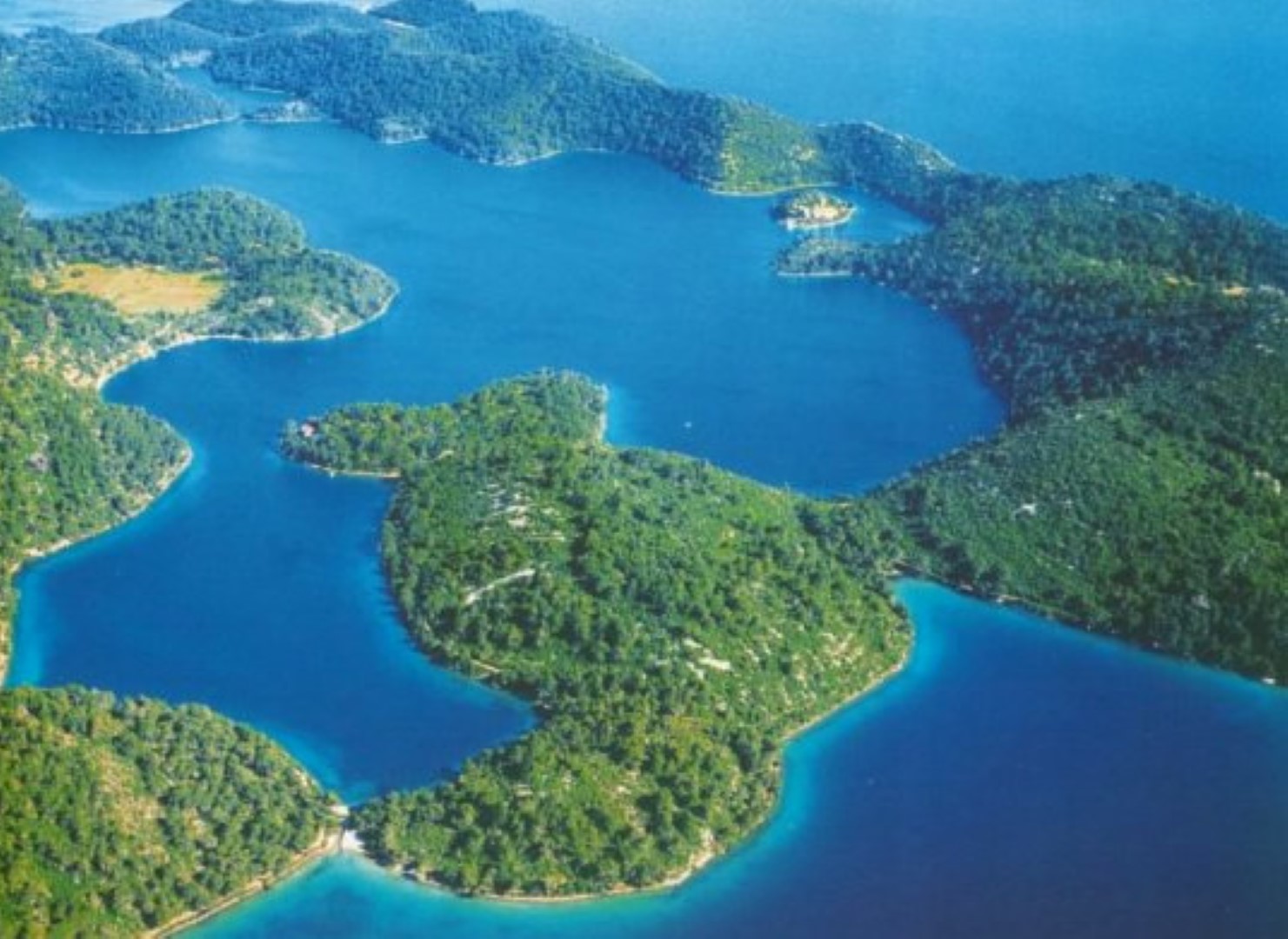
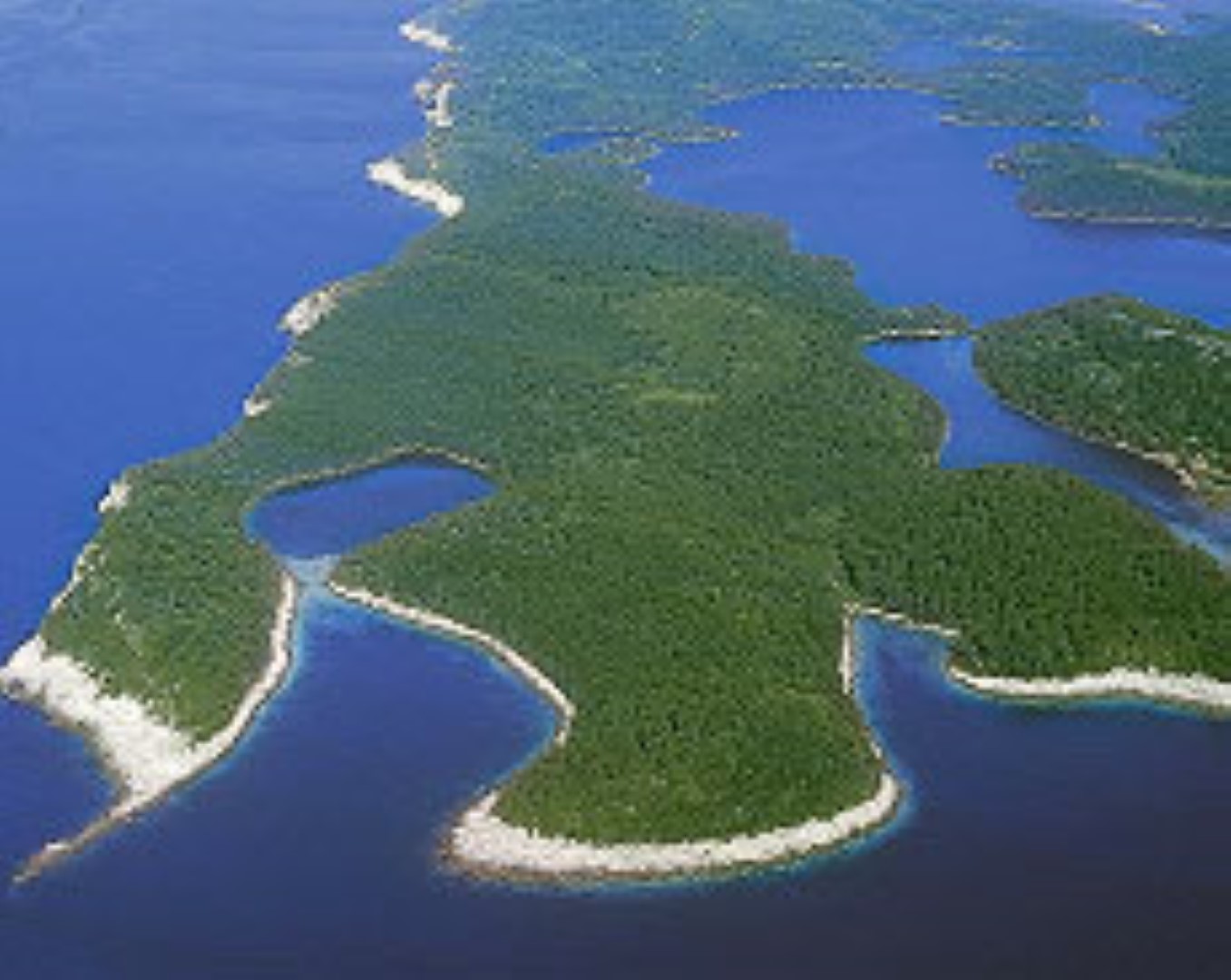
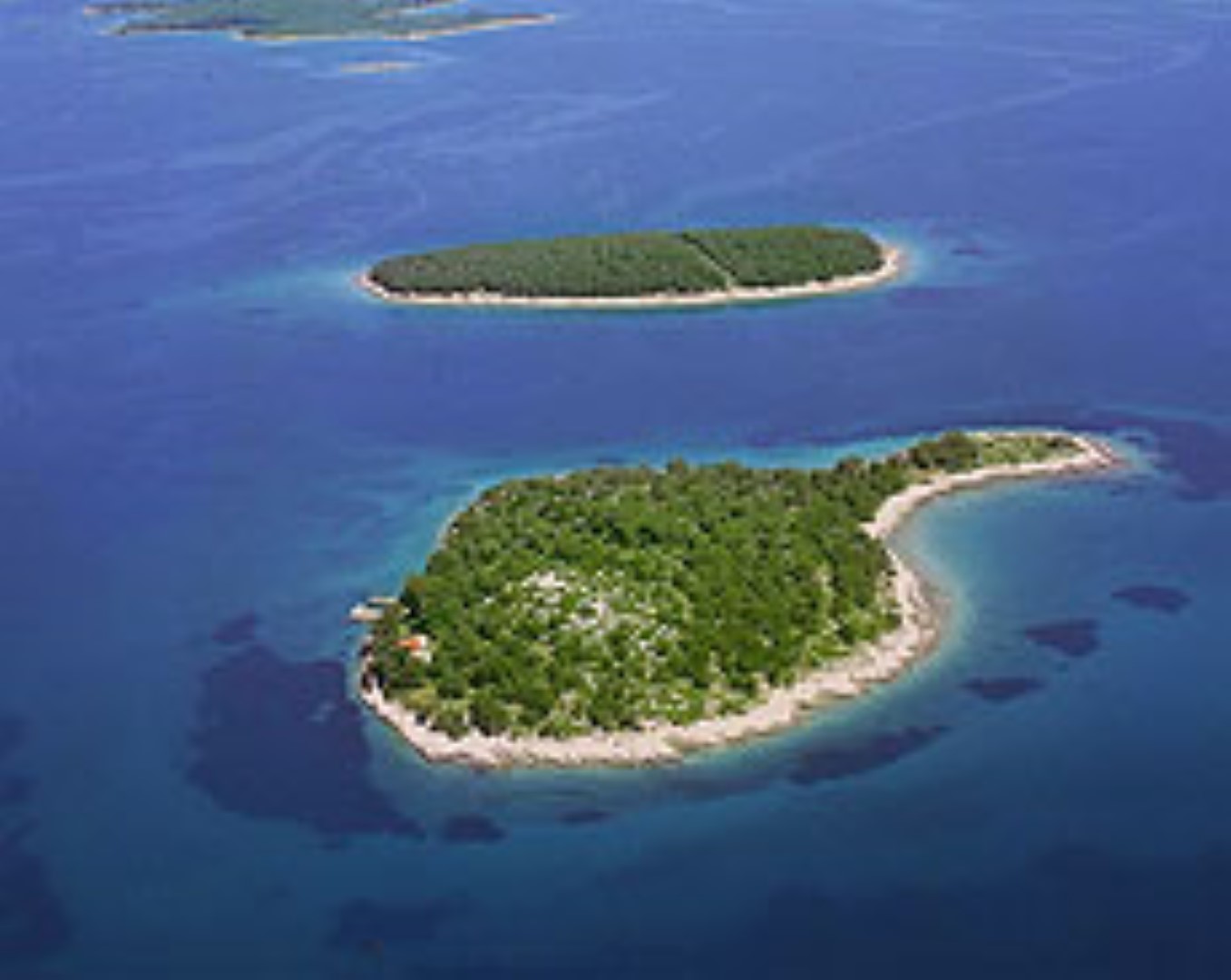
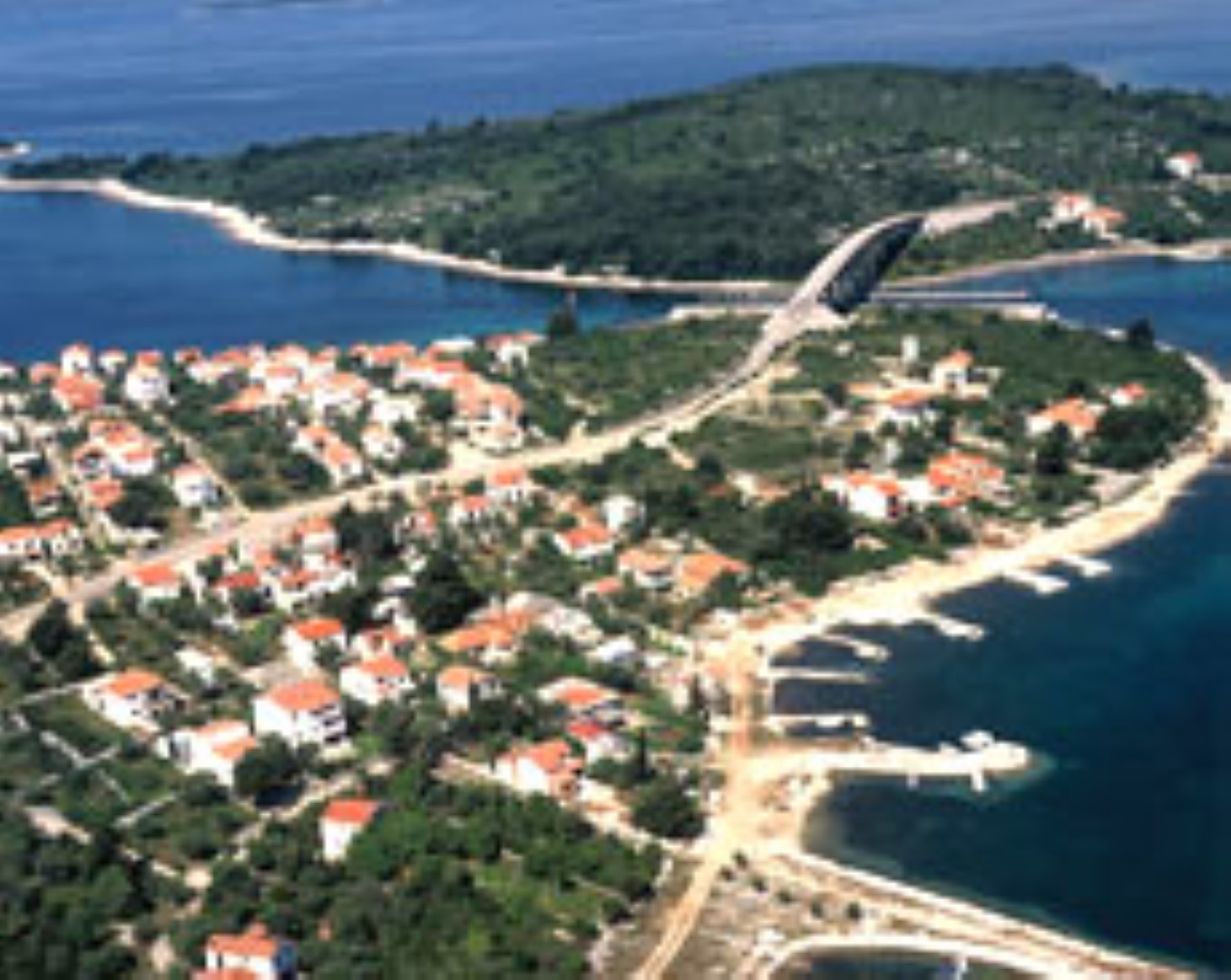
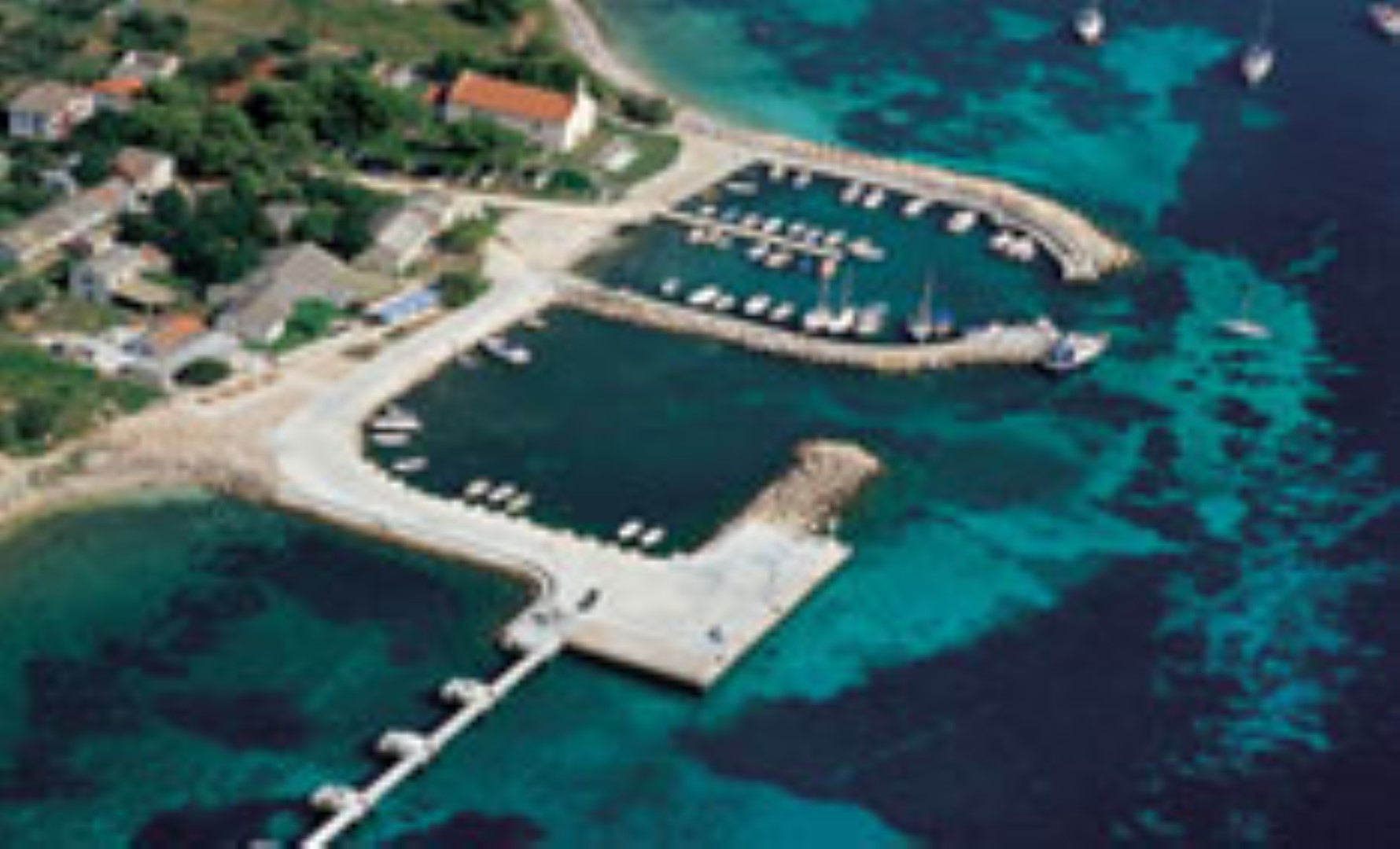
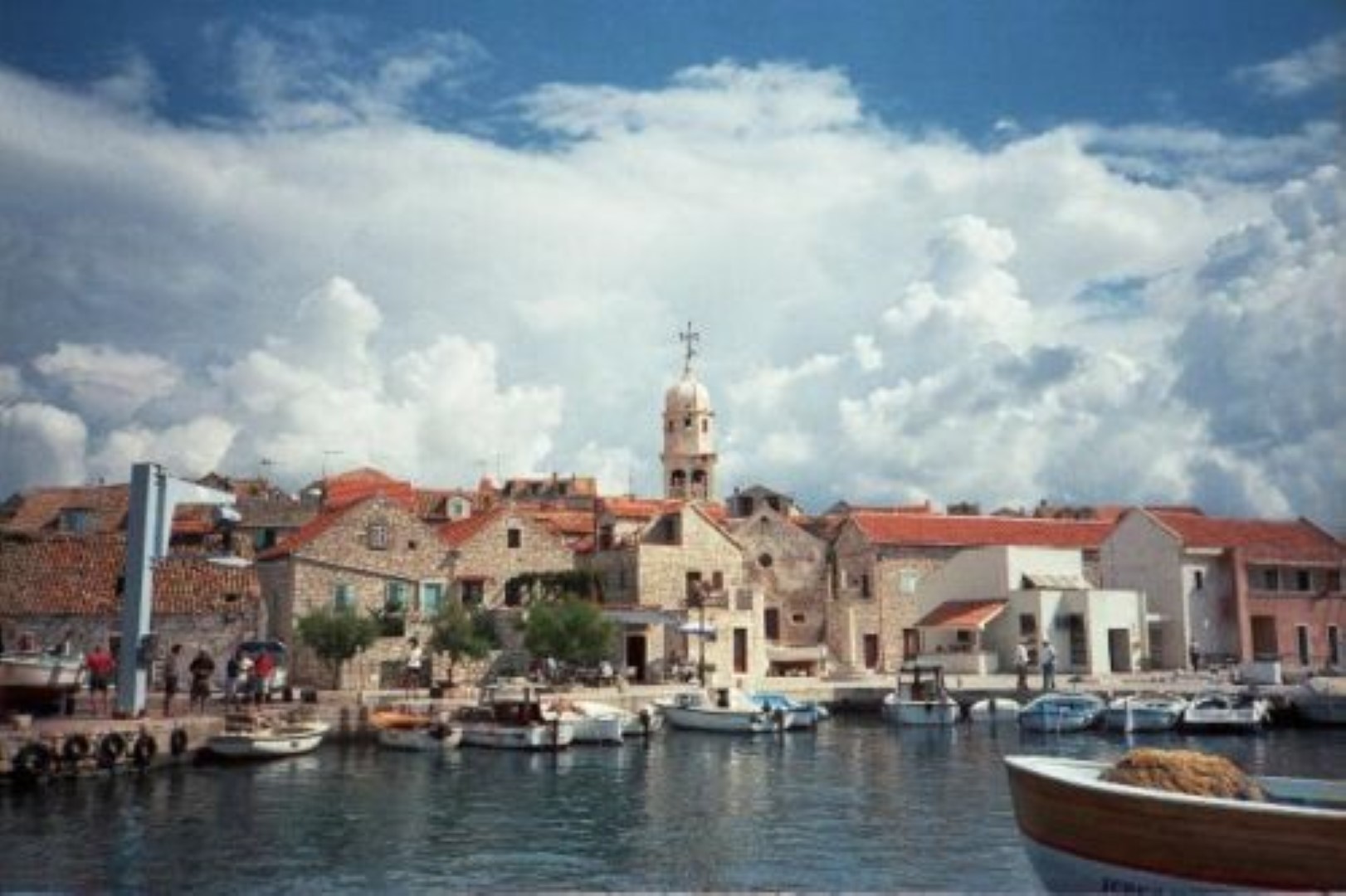
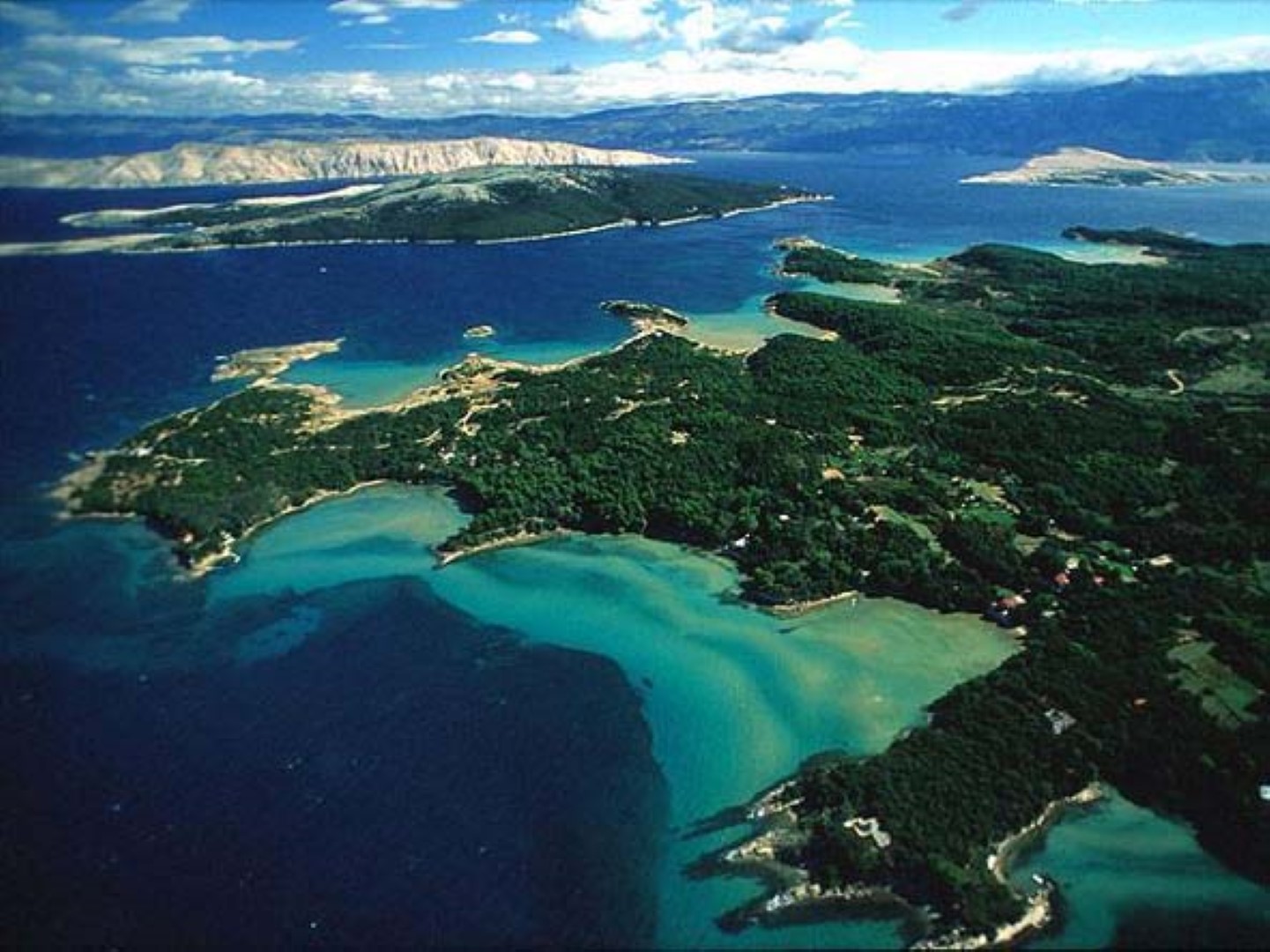
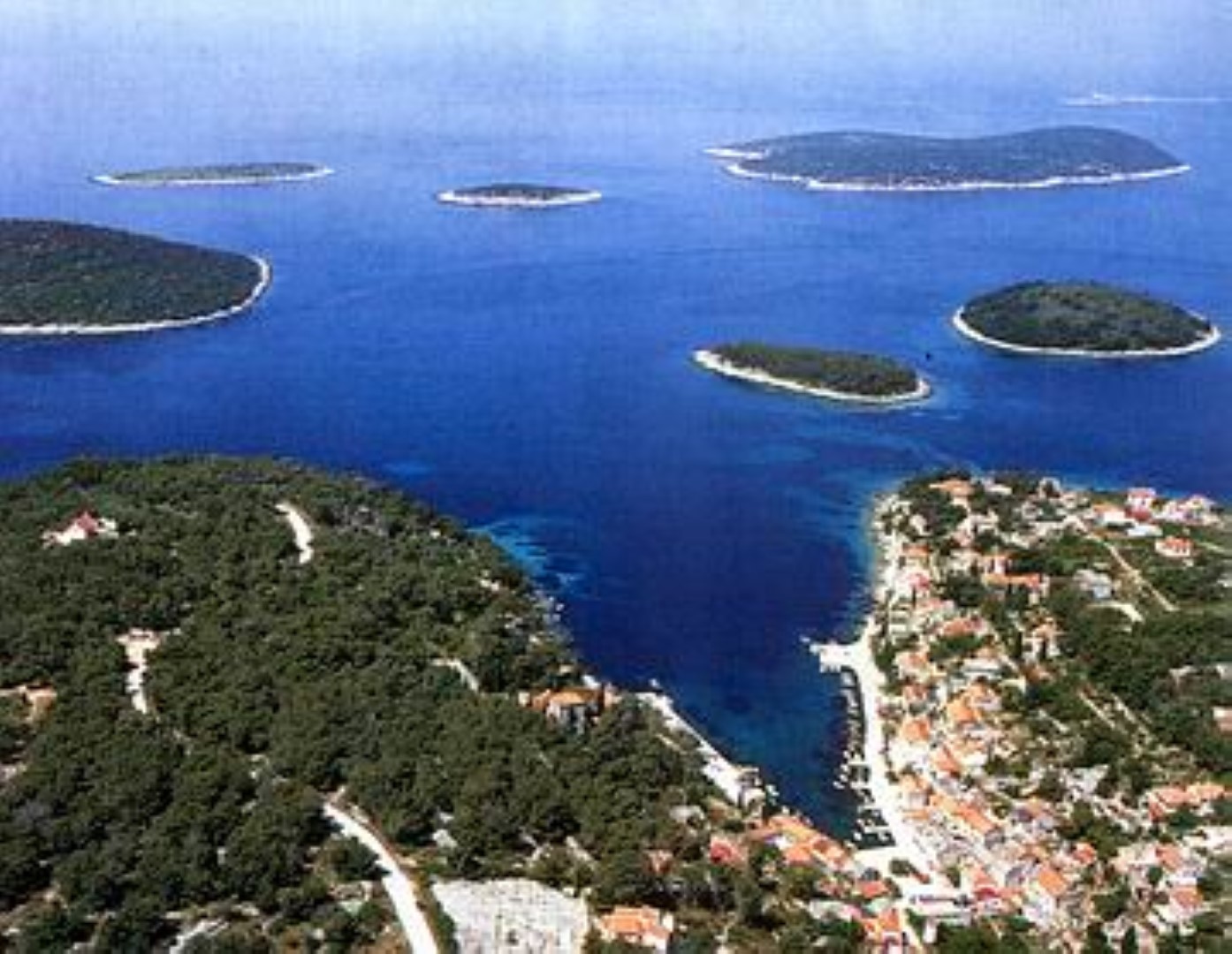
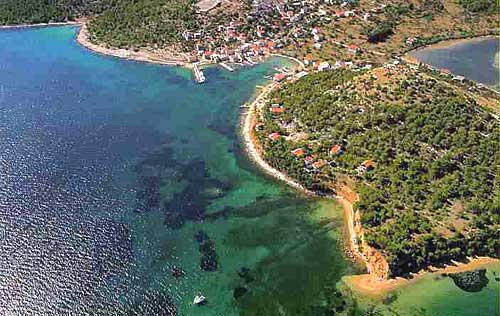
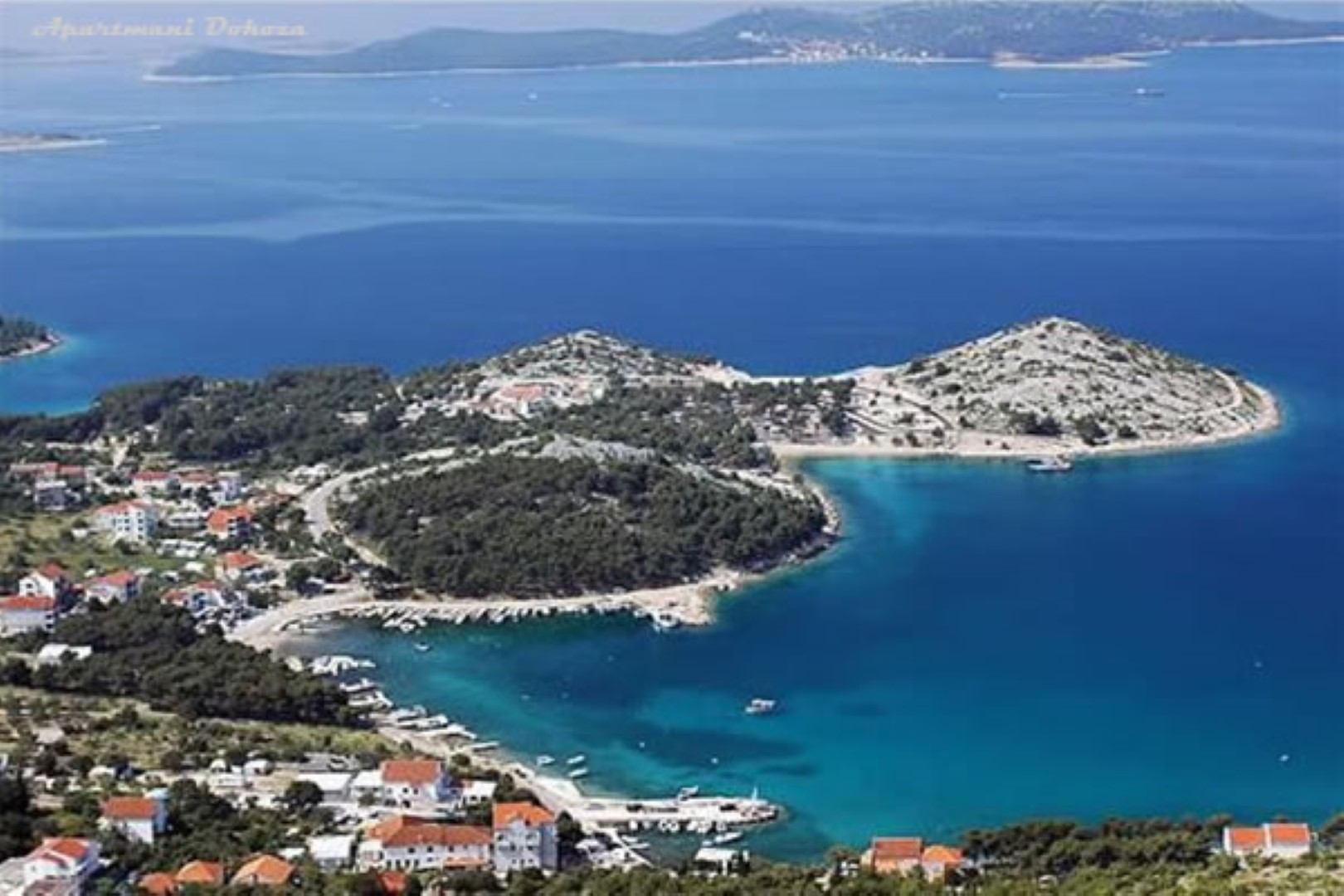
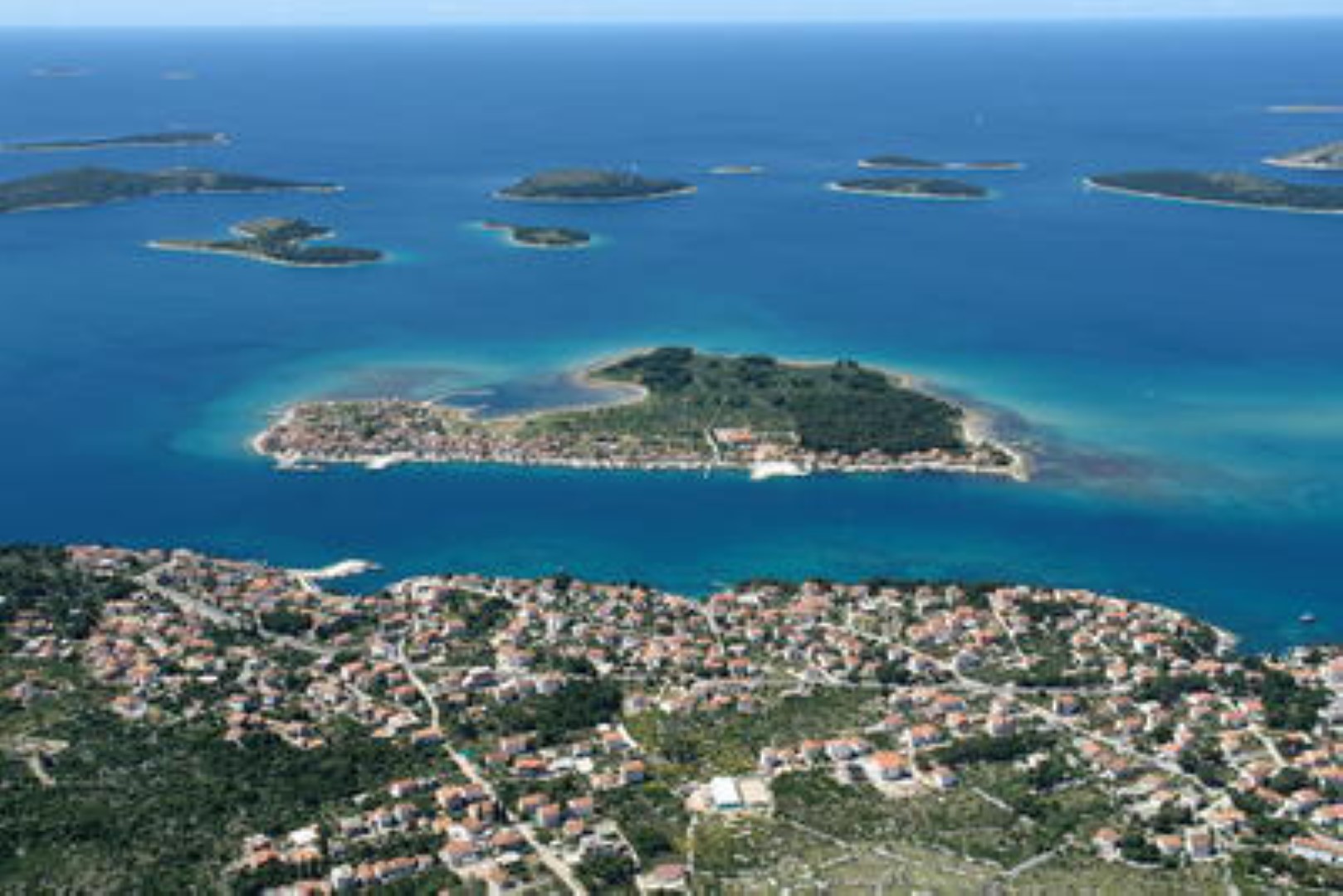
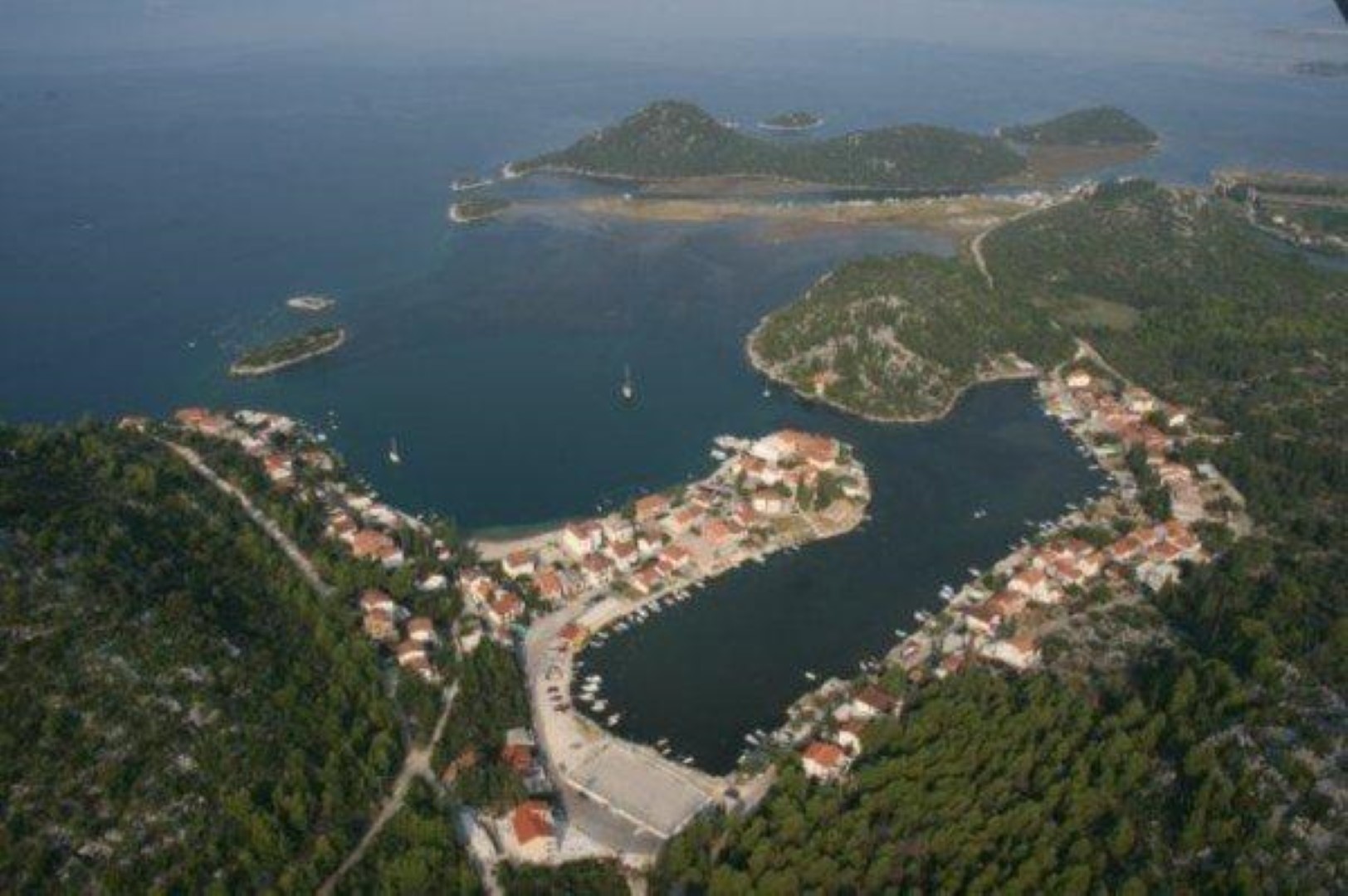
Croatian coast is decorated by more than a thousand islands, islets, and cliffs. 1246 to be precise. The most famous island group is the Kornati Islands, which are mostly part of the National Park Kornati. The archipelago is located in central Dalmatia, near the cities of Zadar and Šibenik...
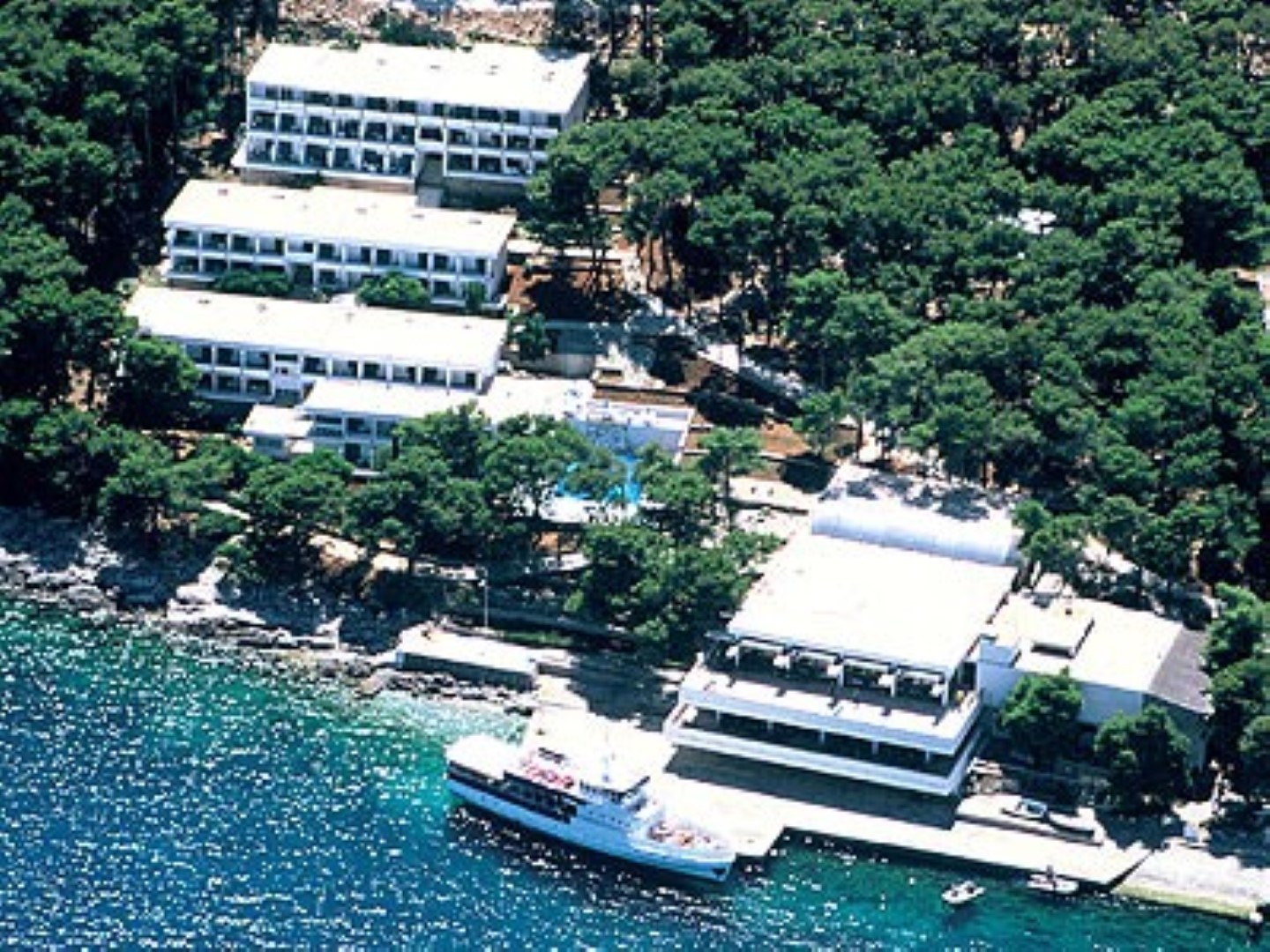
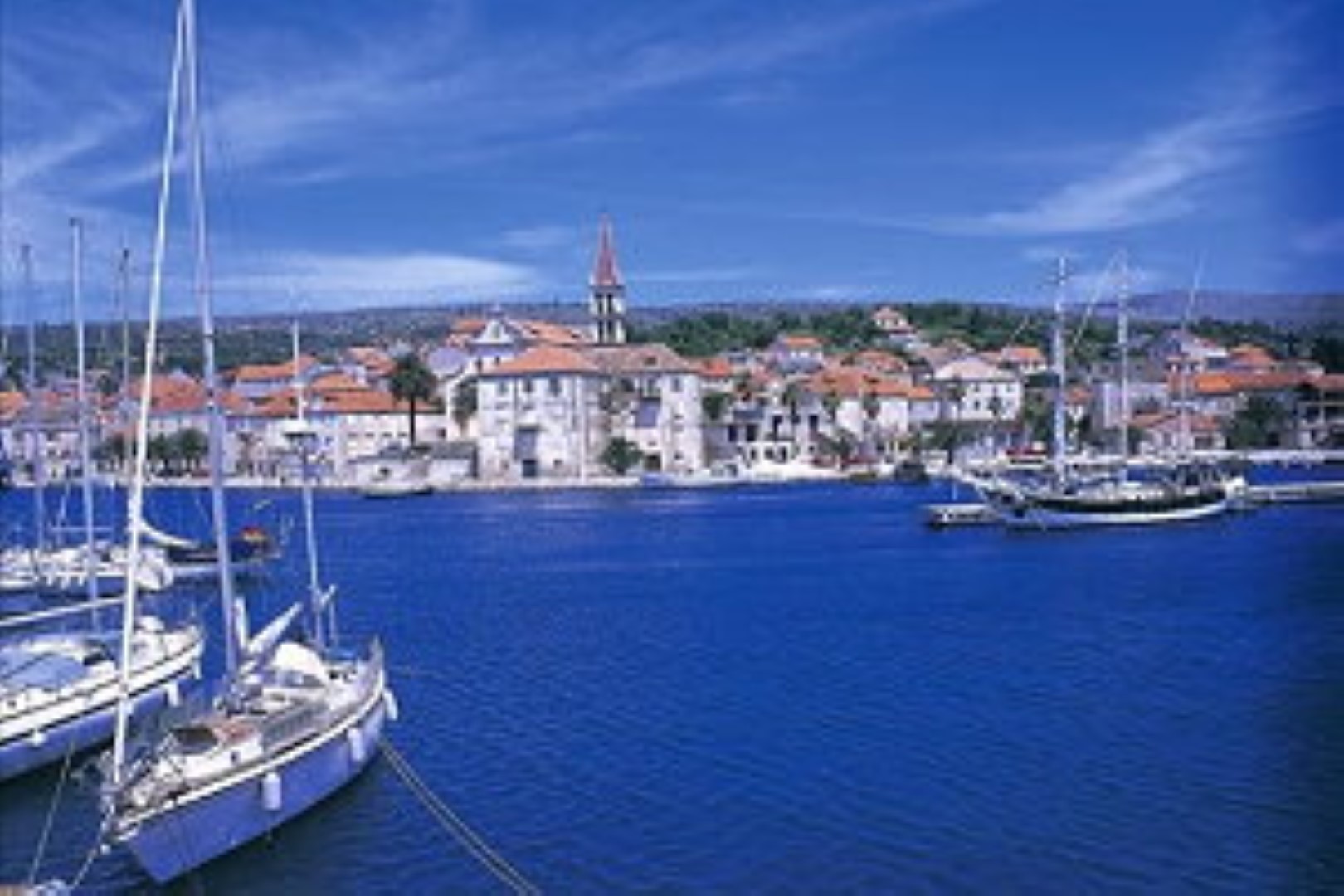
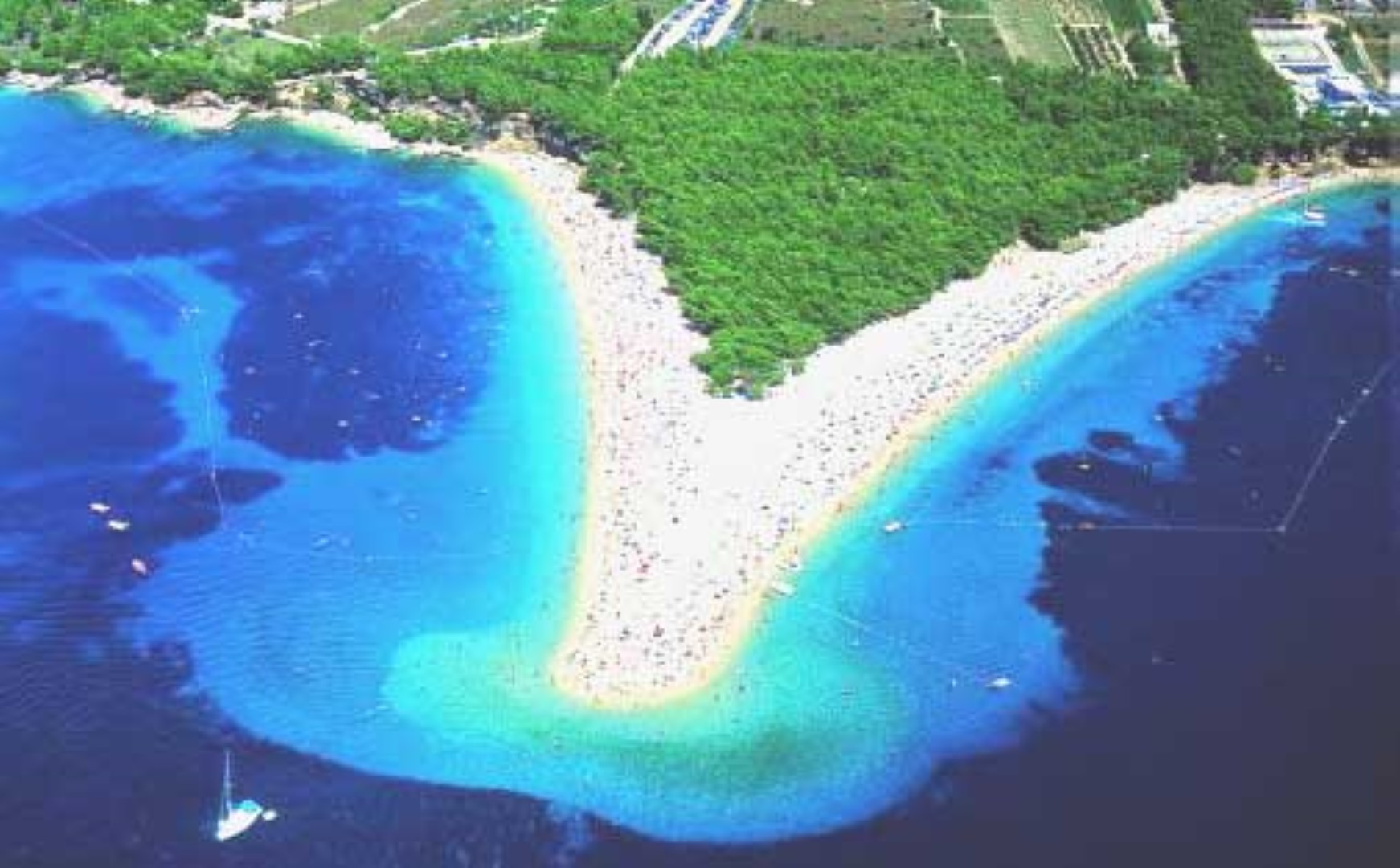

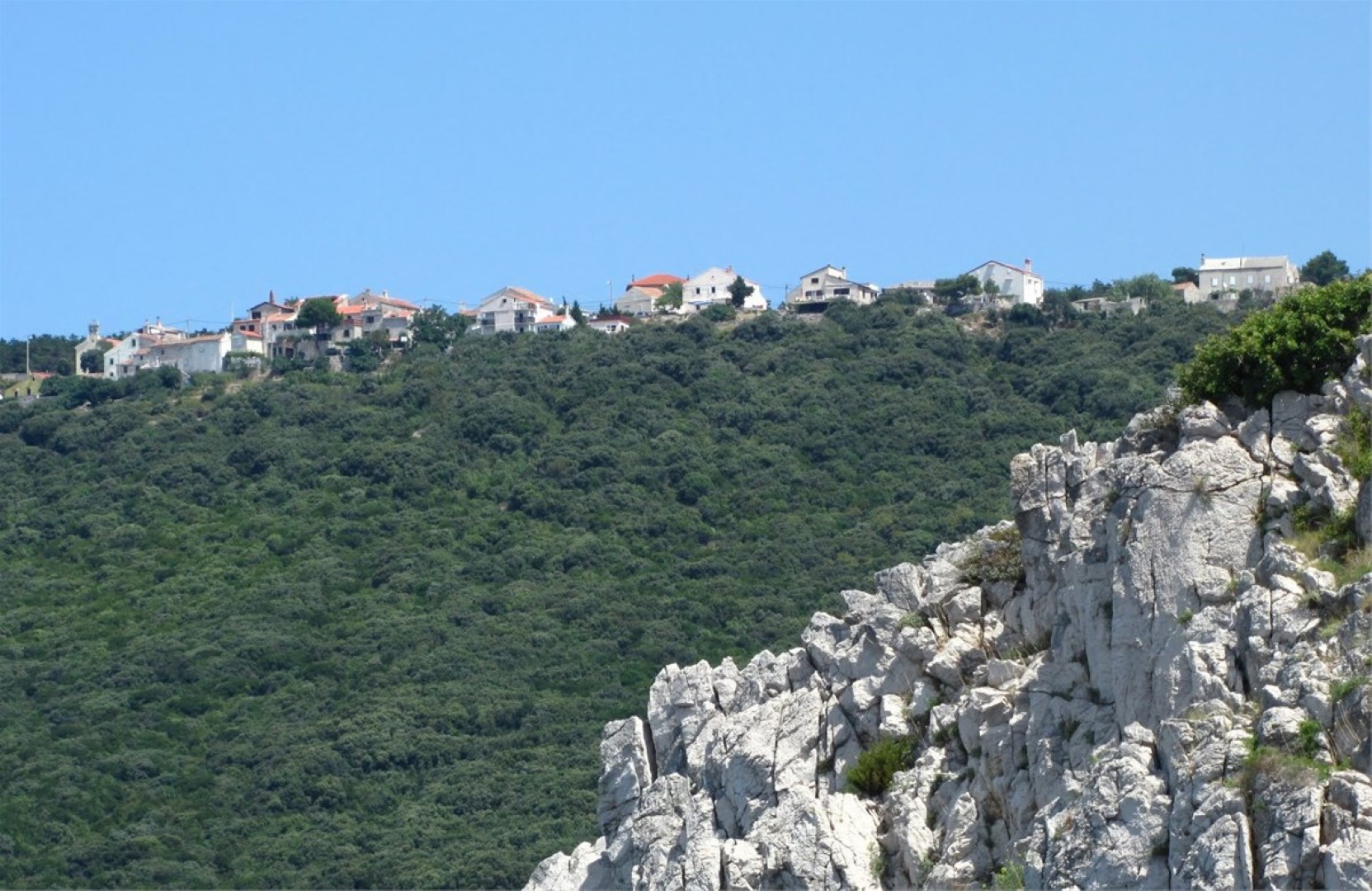
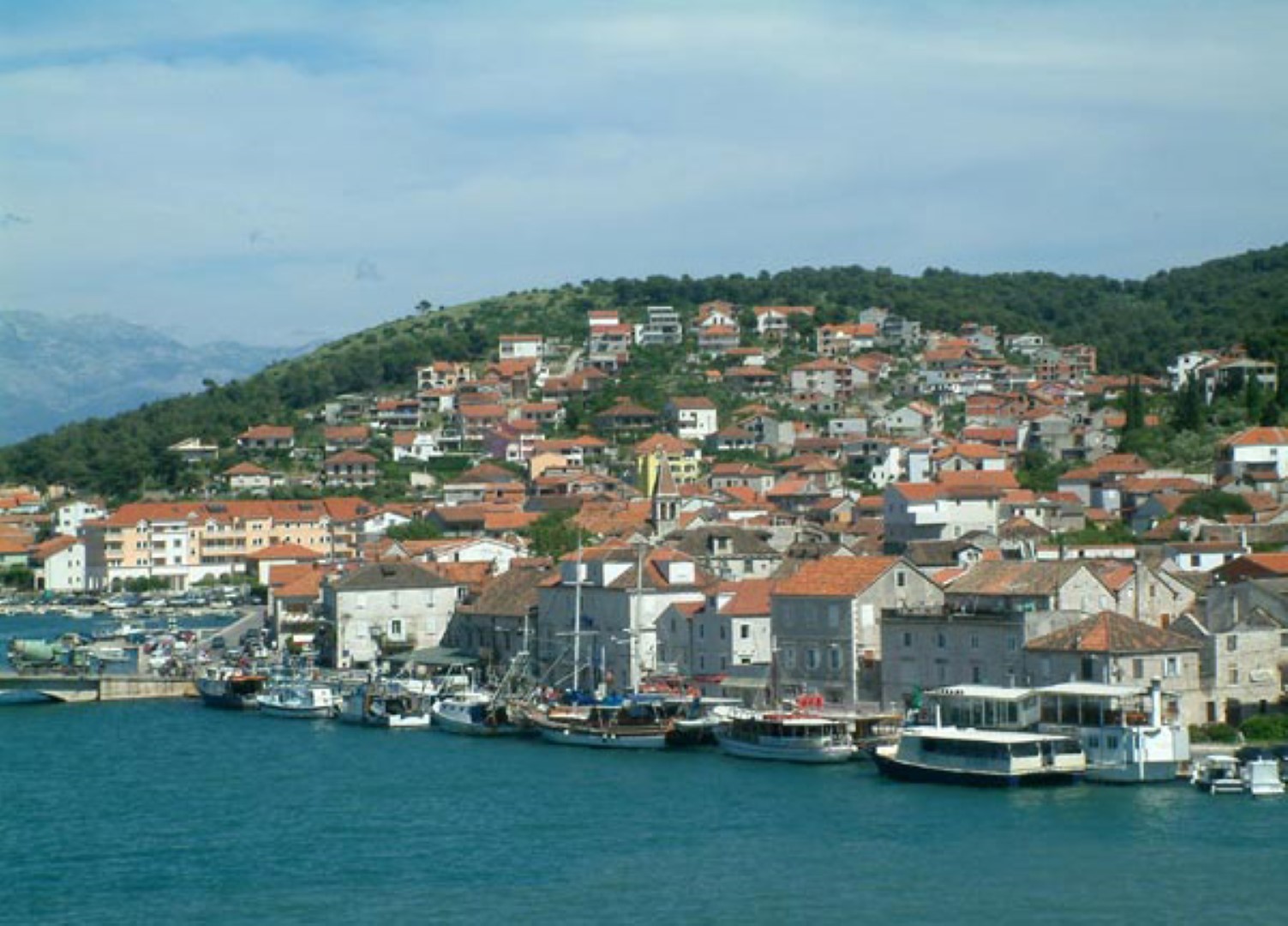
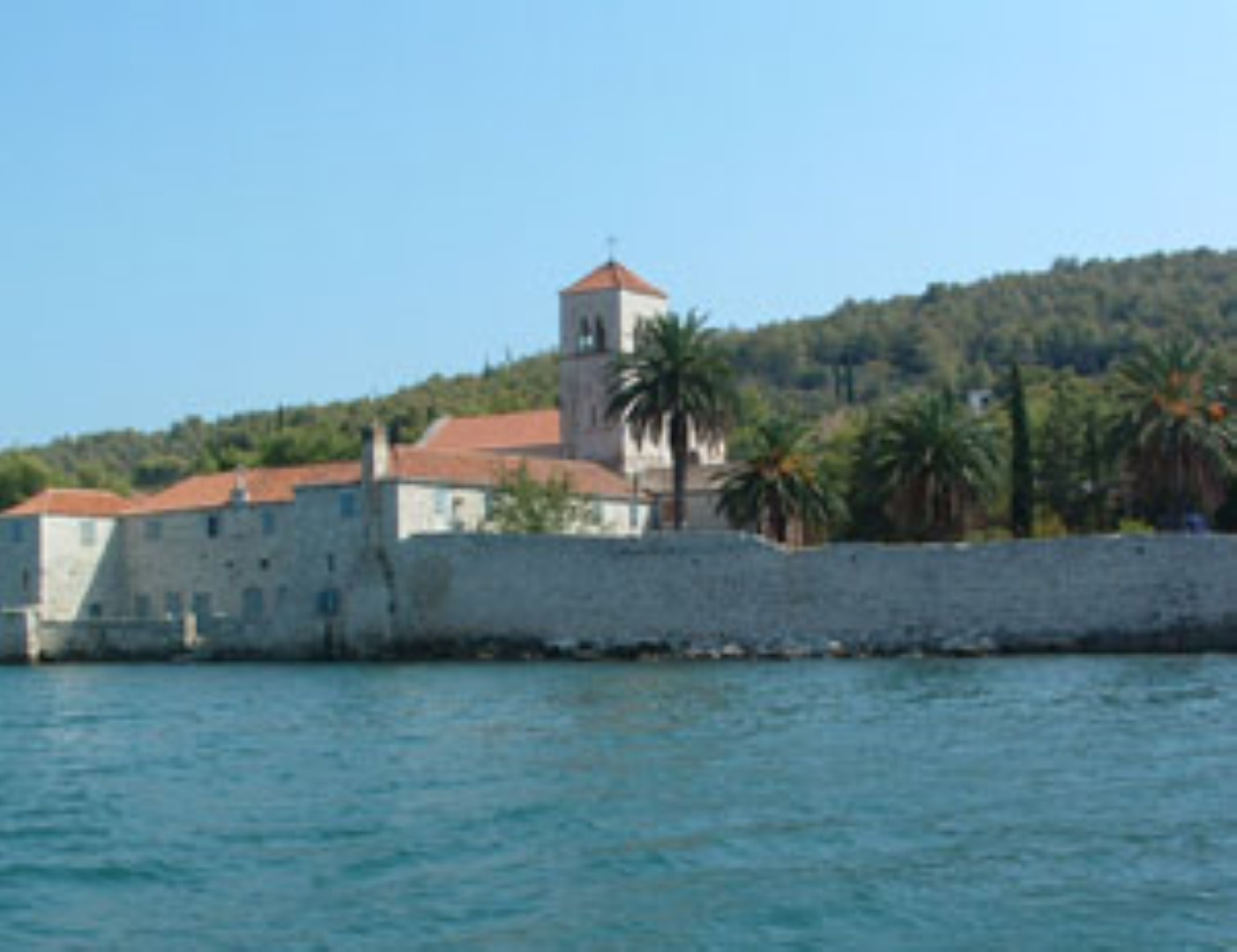
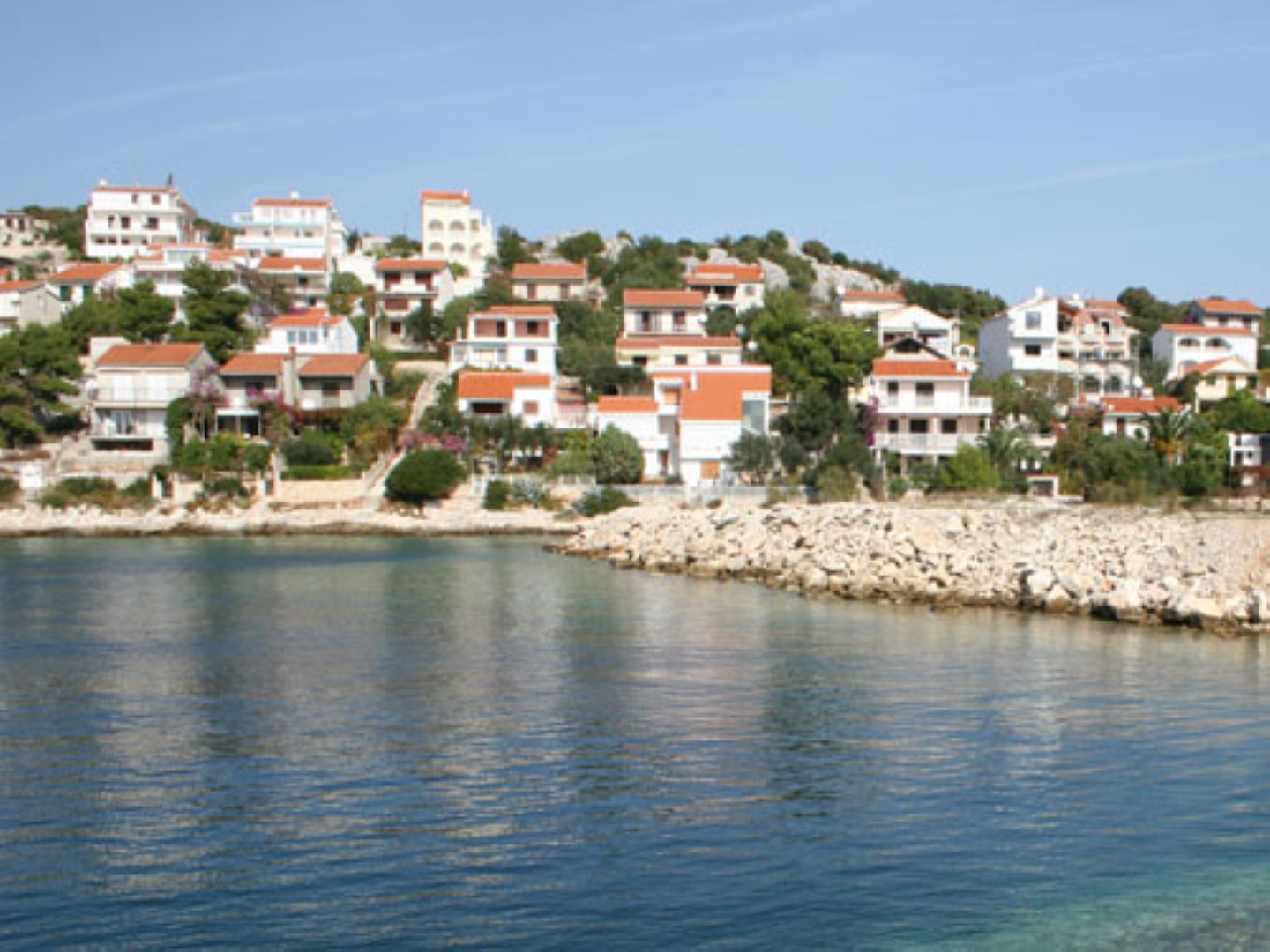
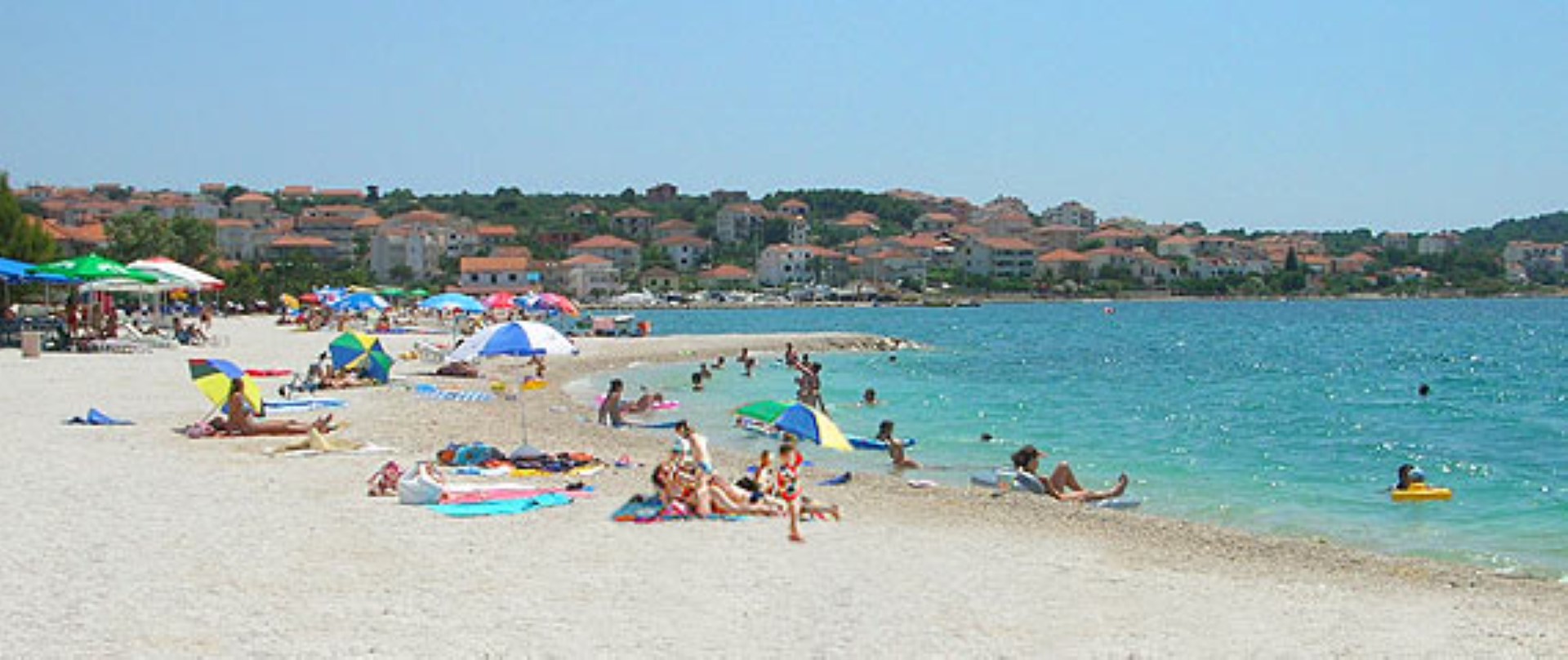
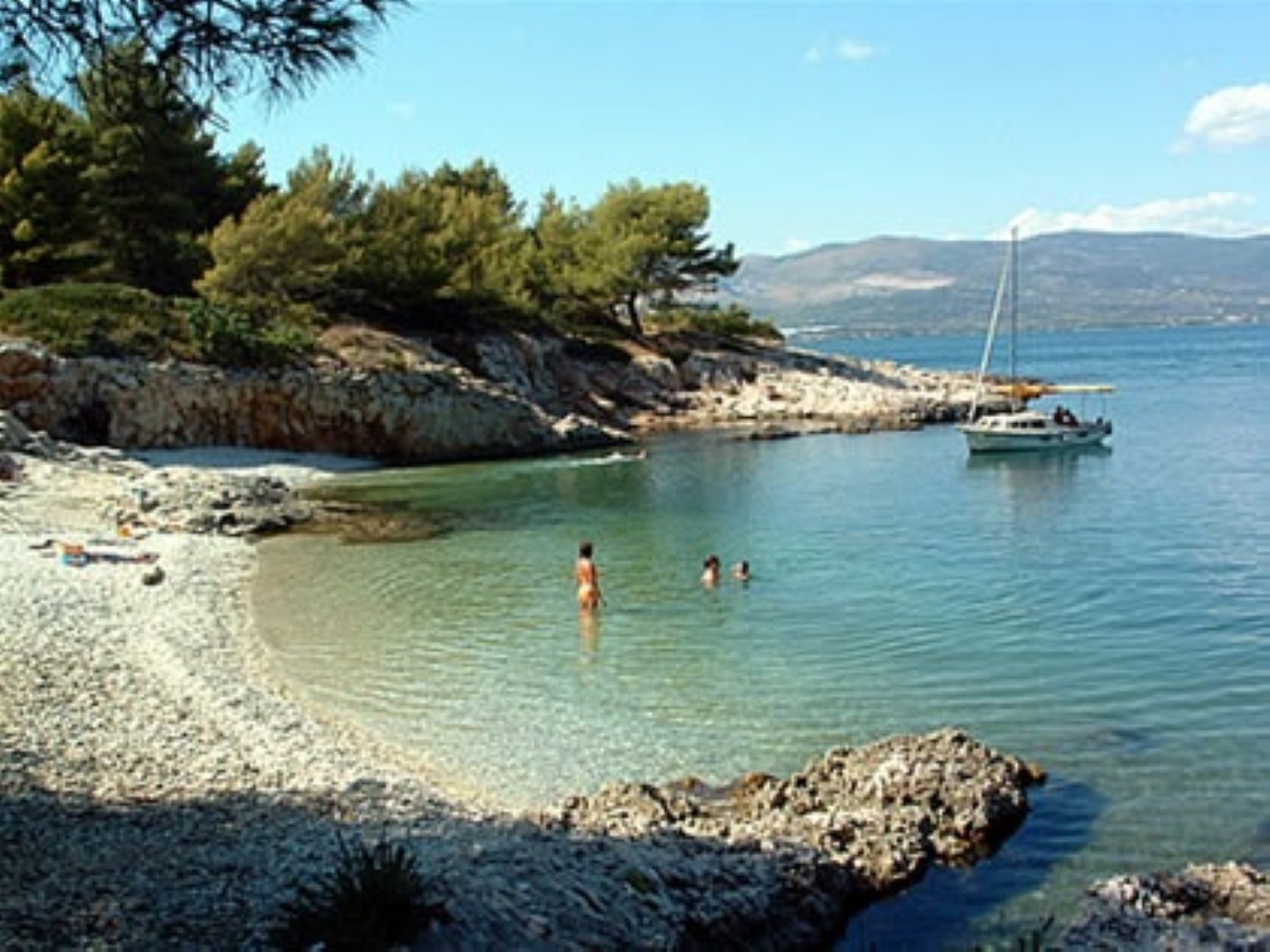
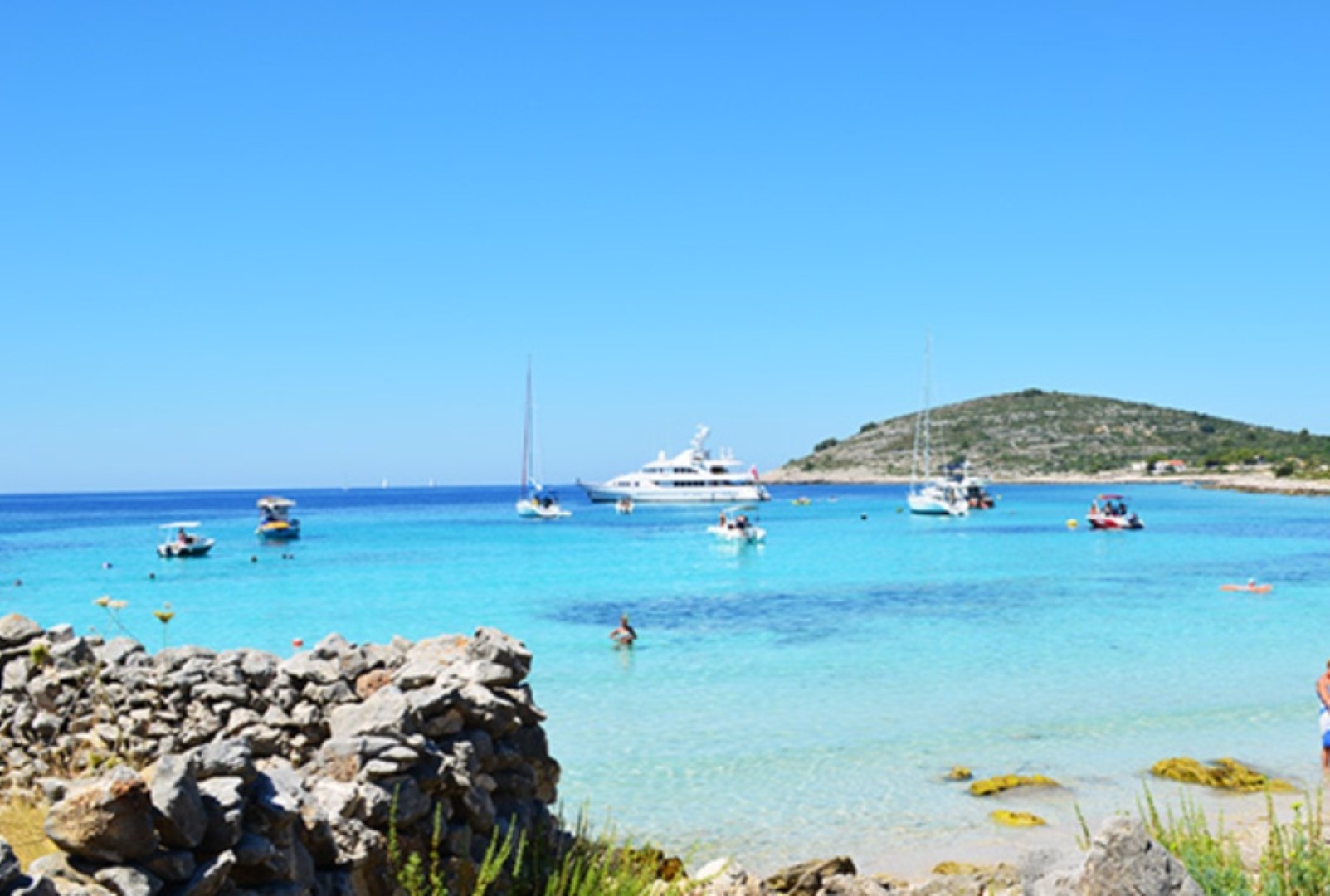
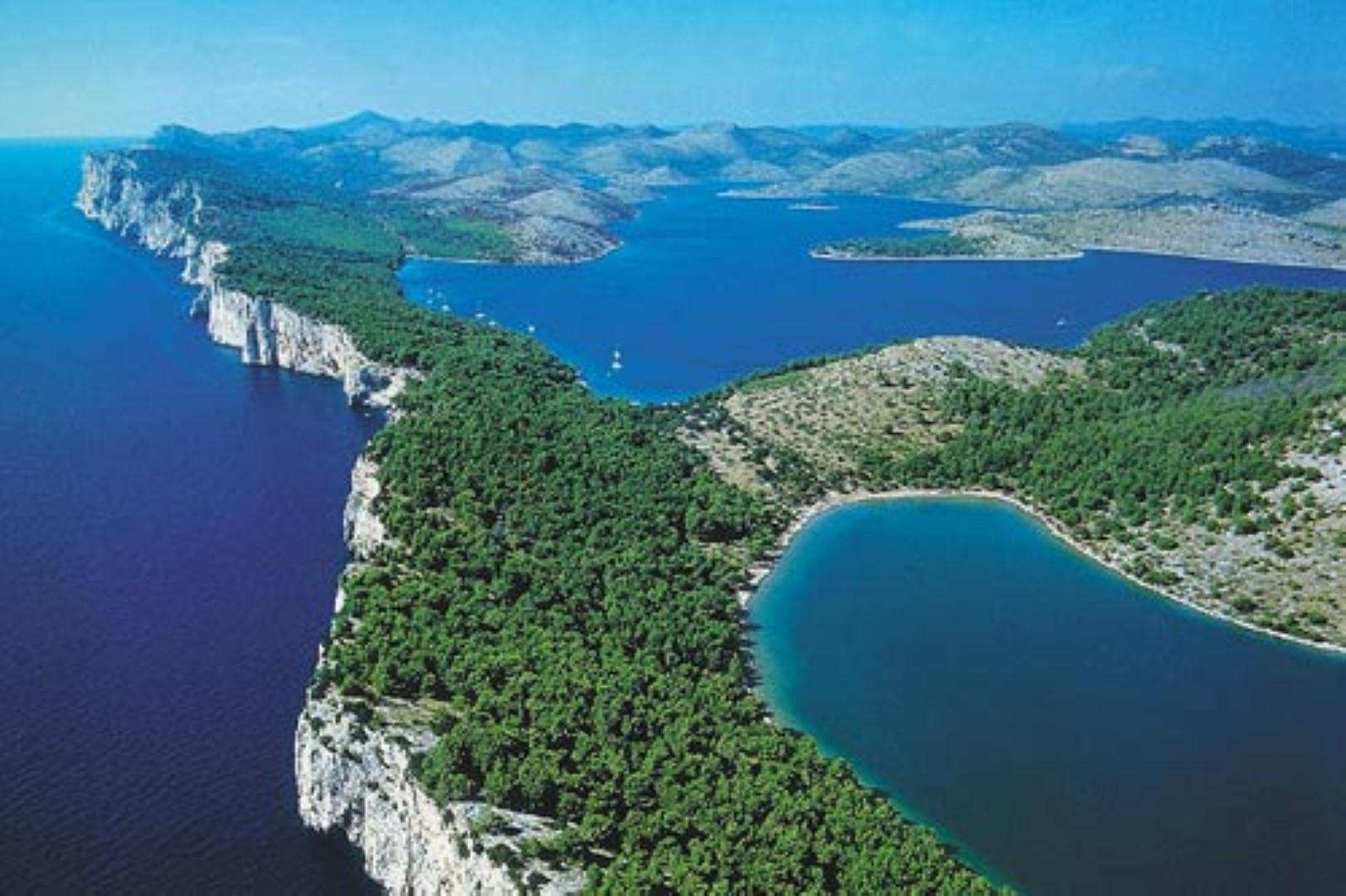
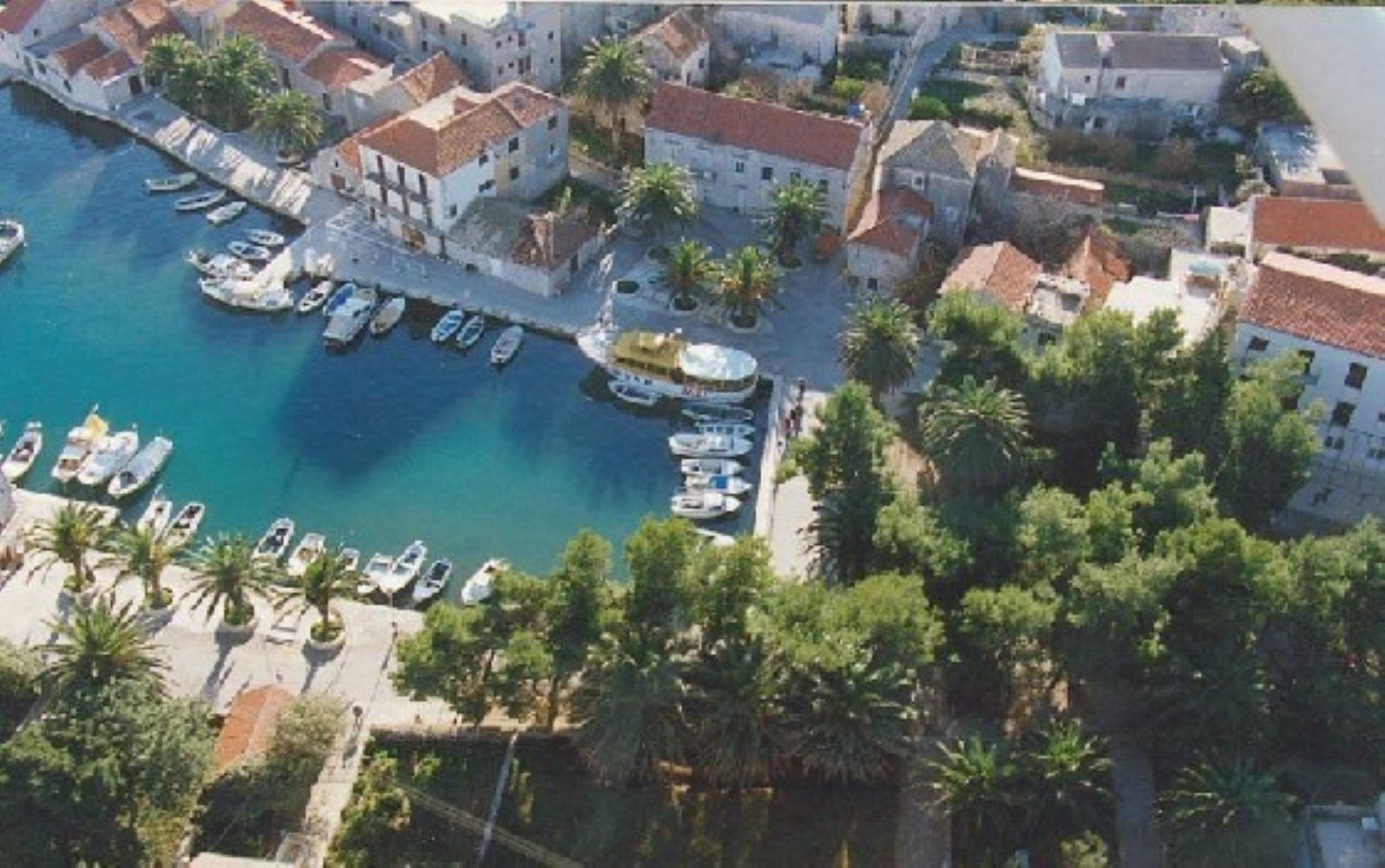

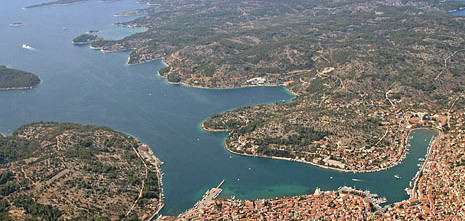
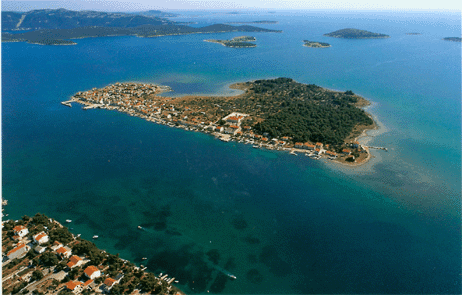
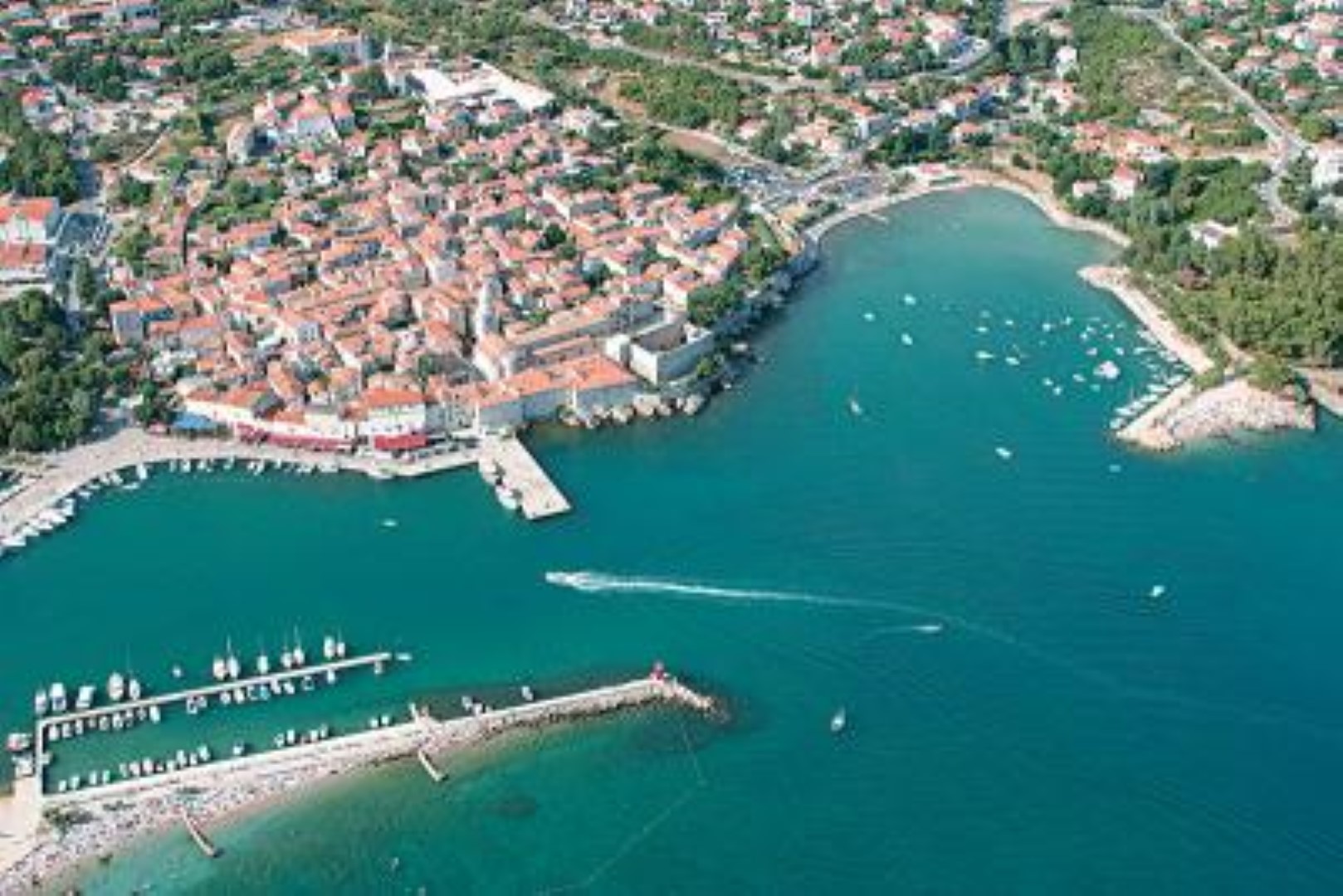
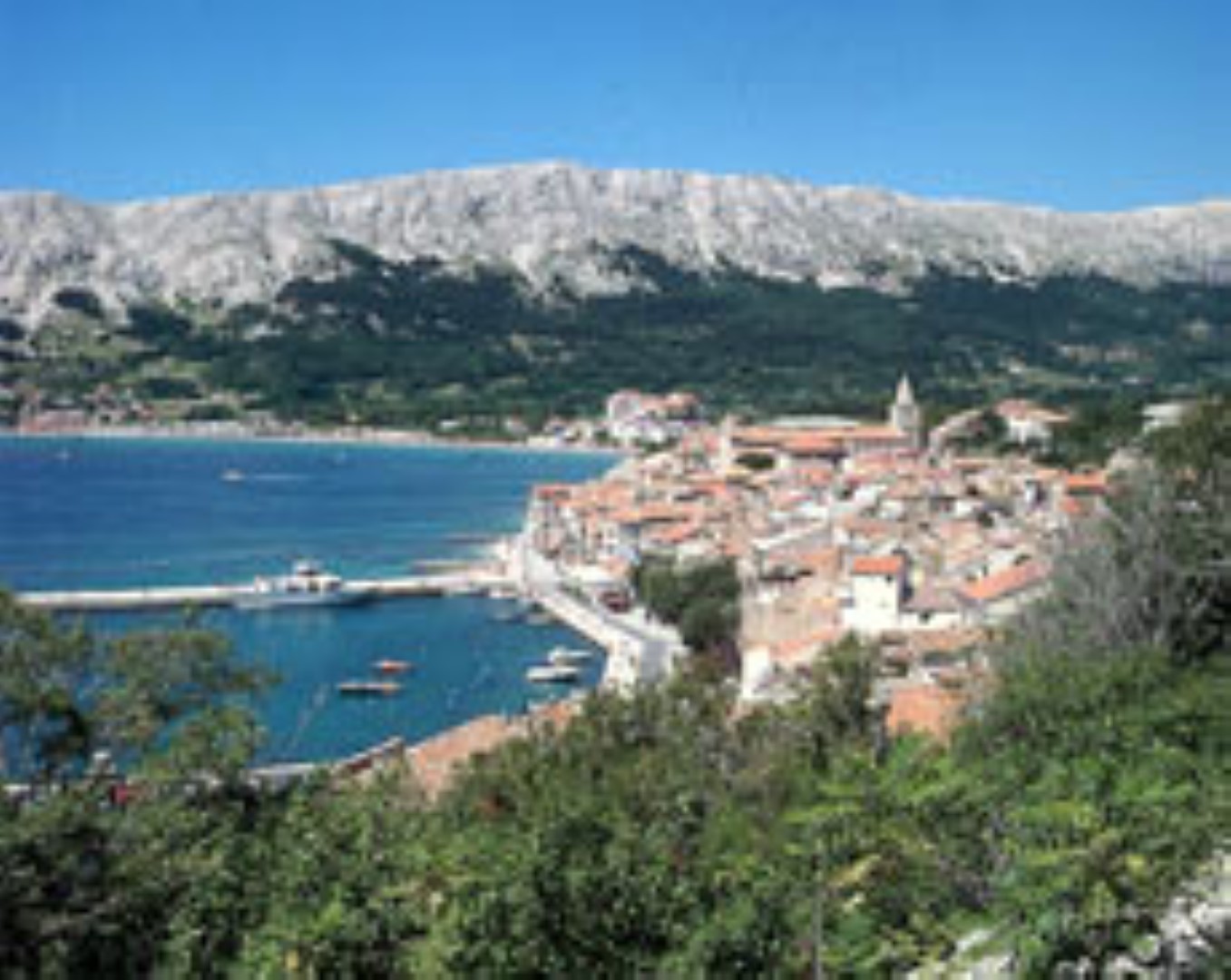
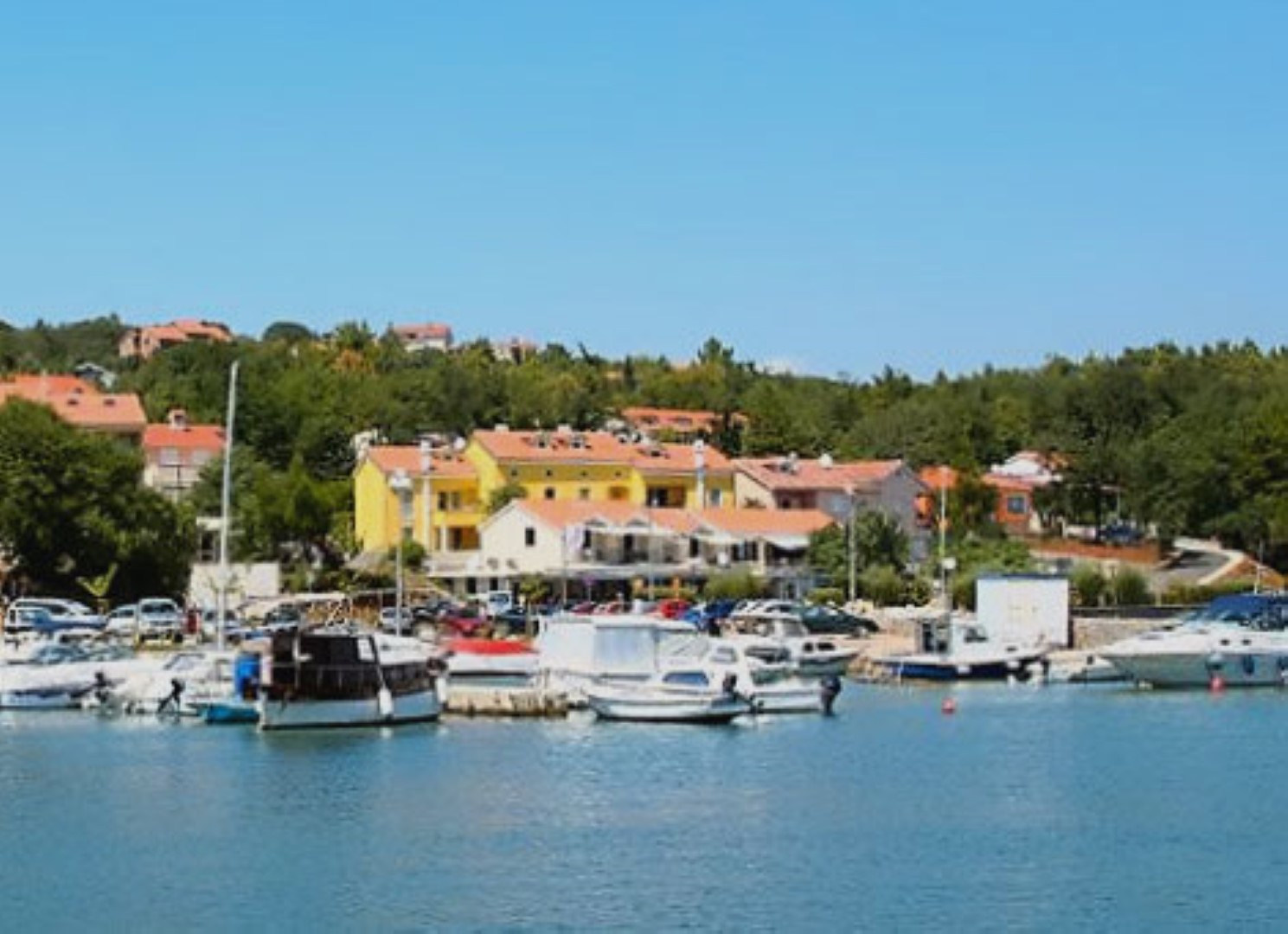
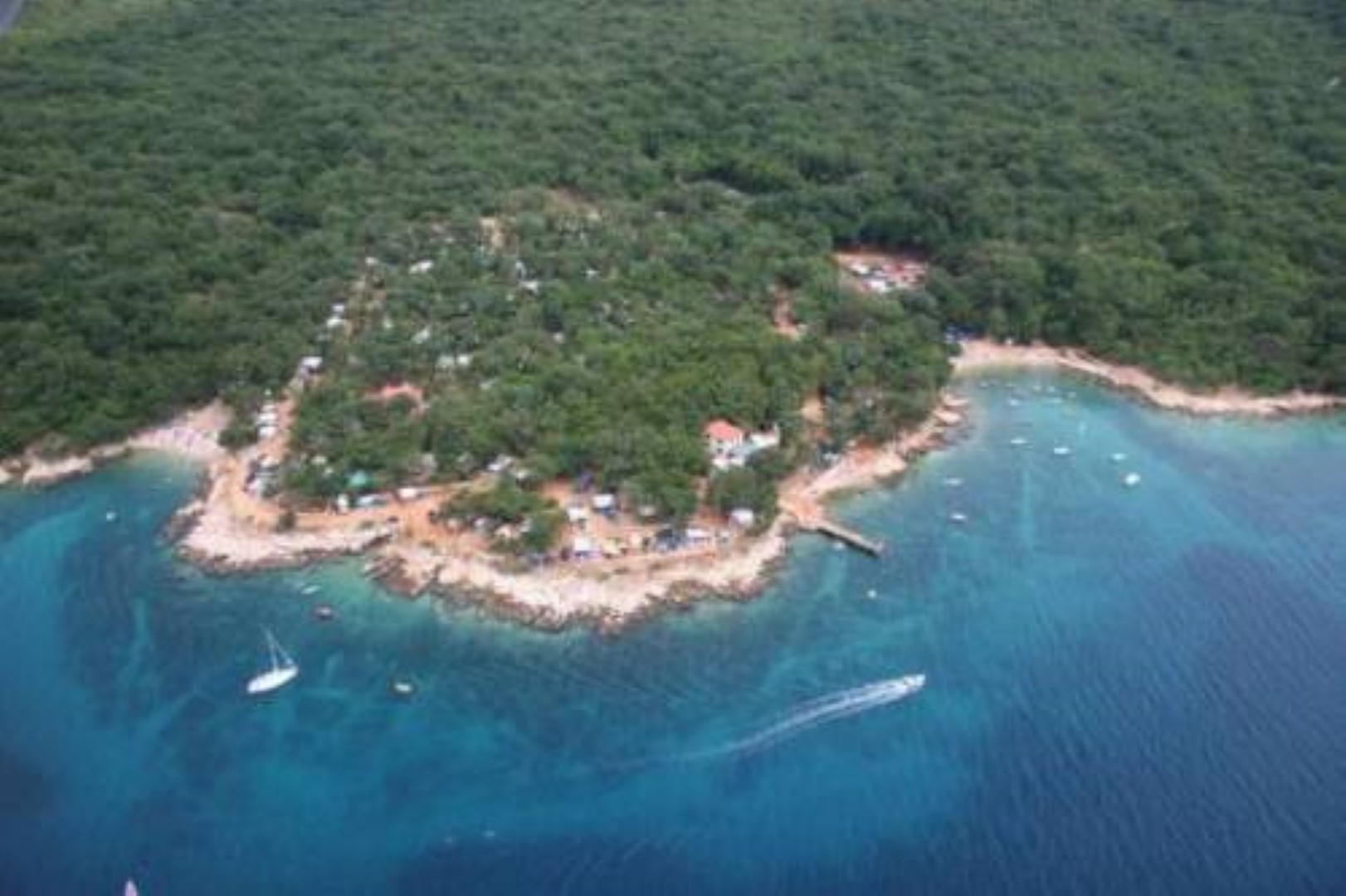
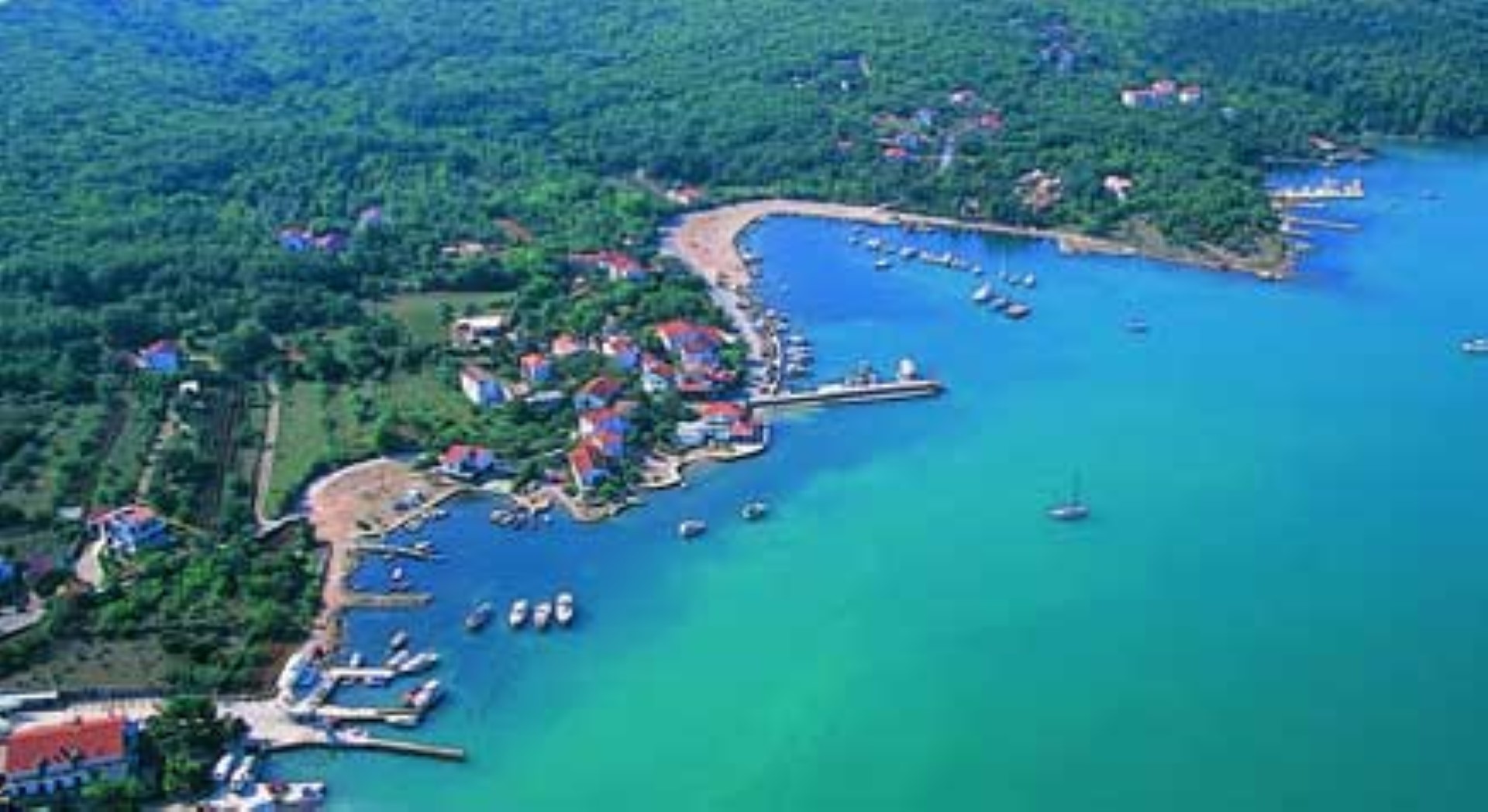
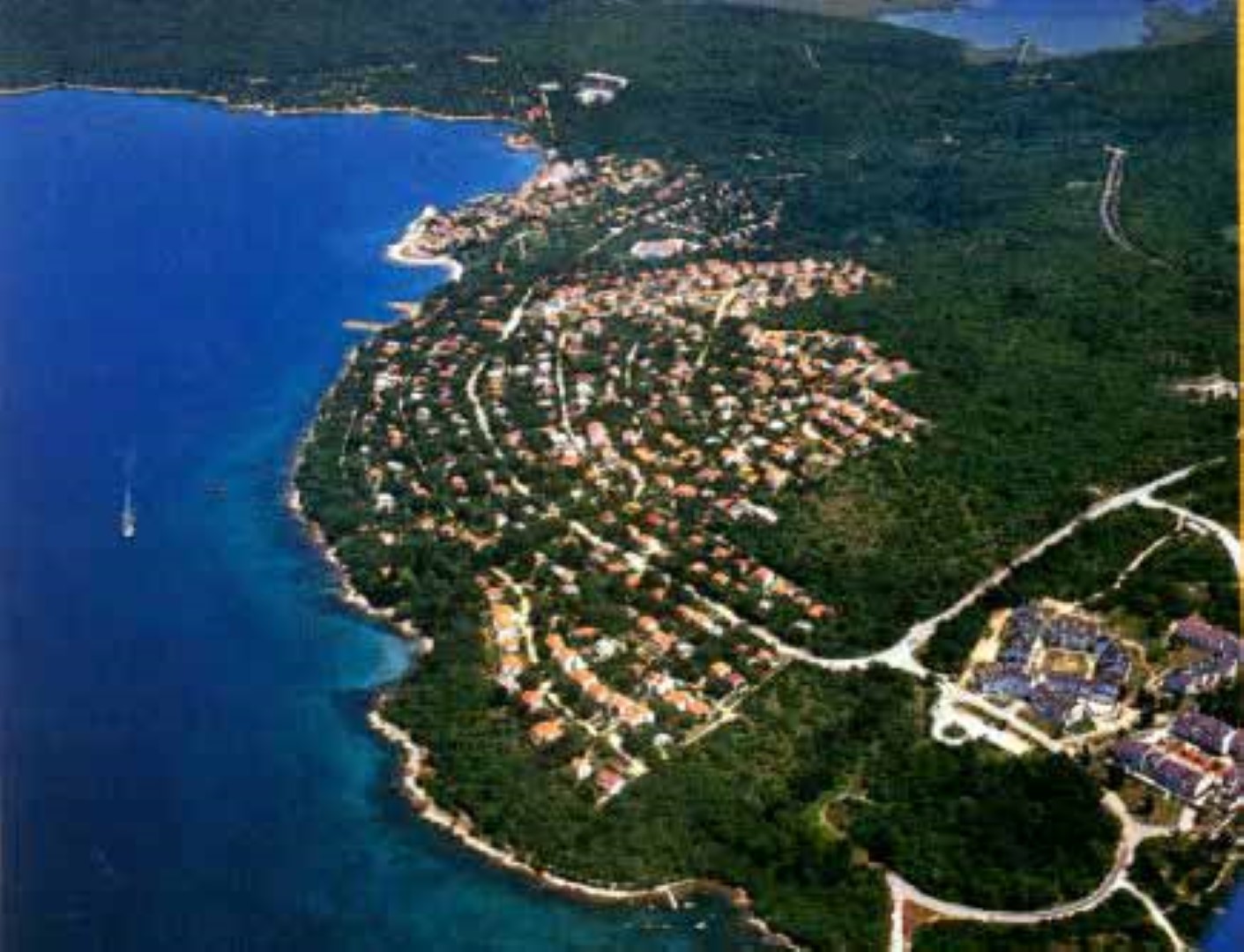
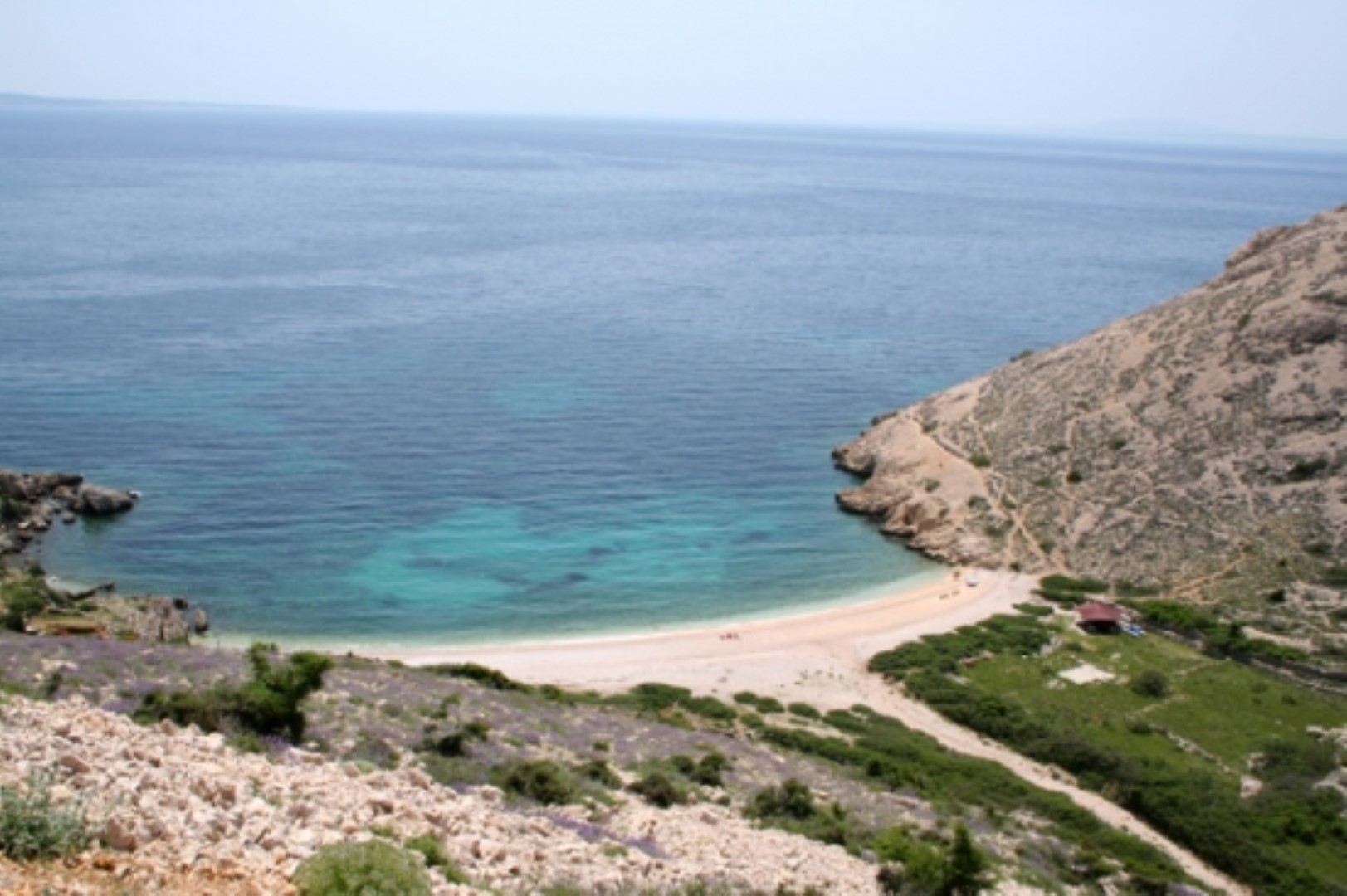
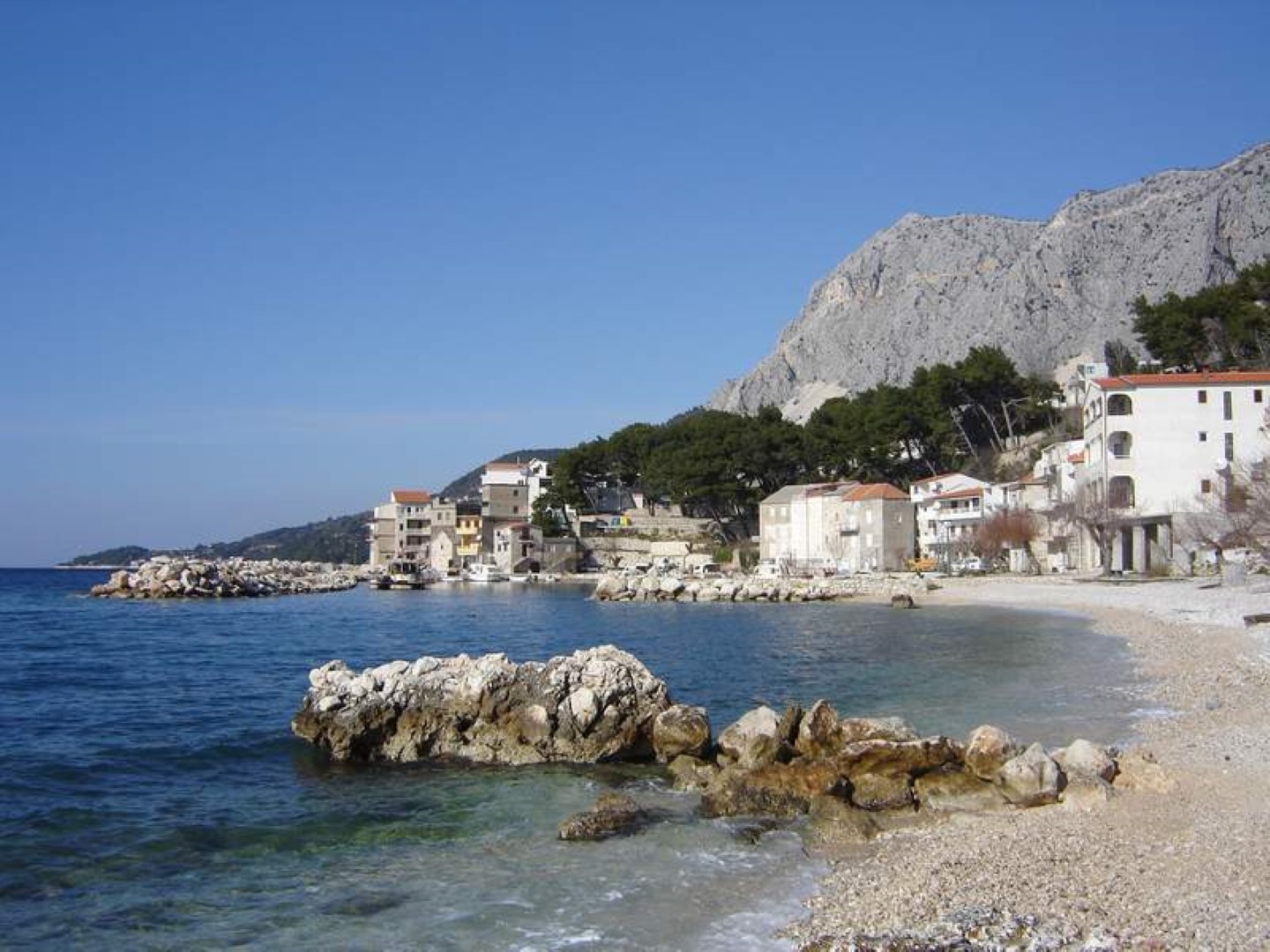
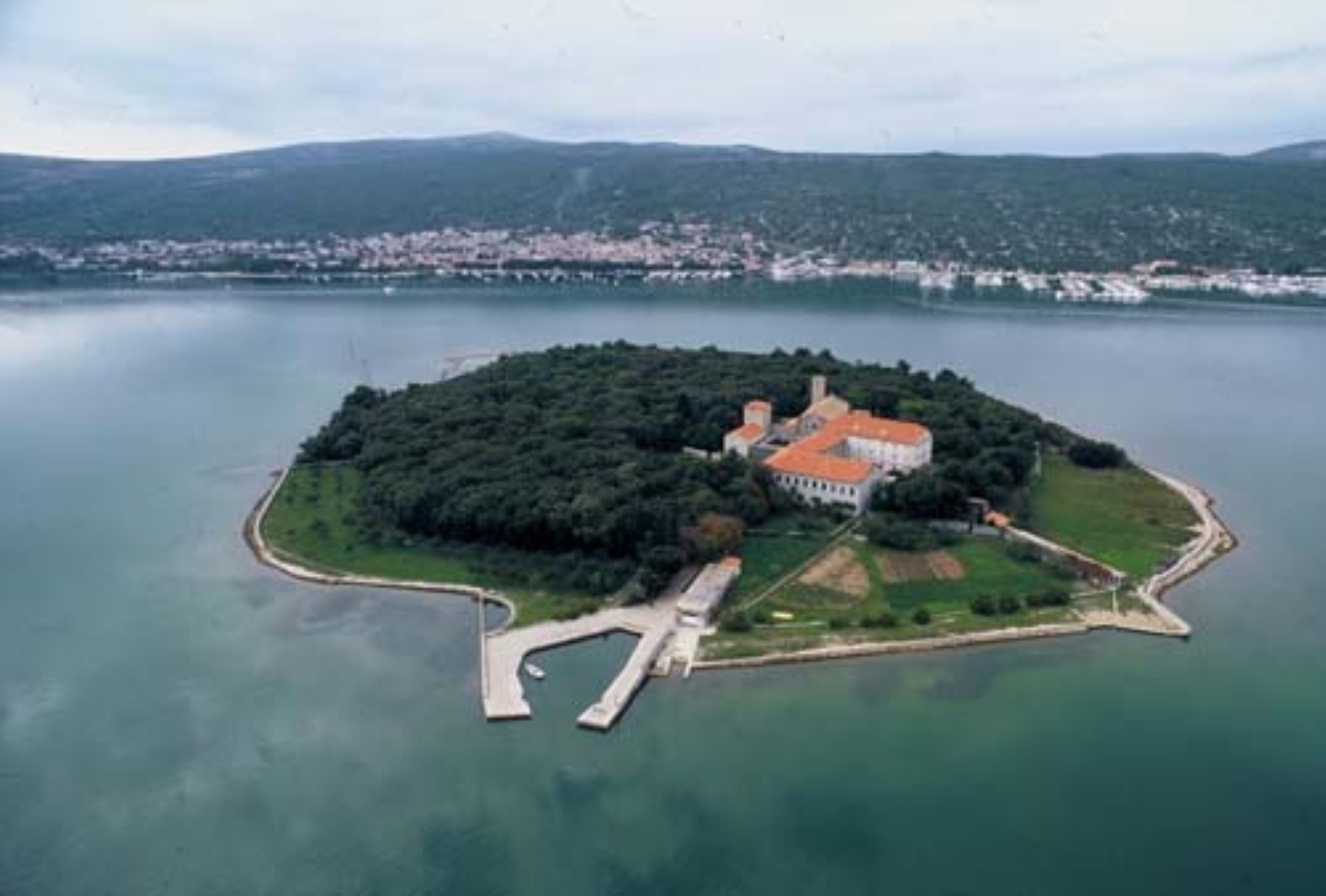
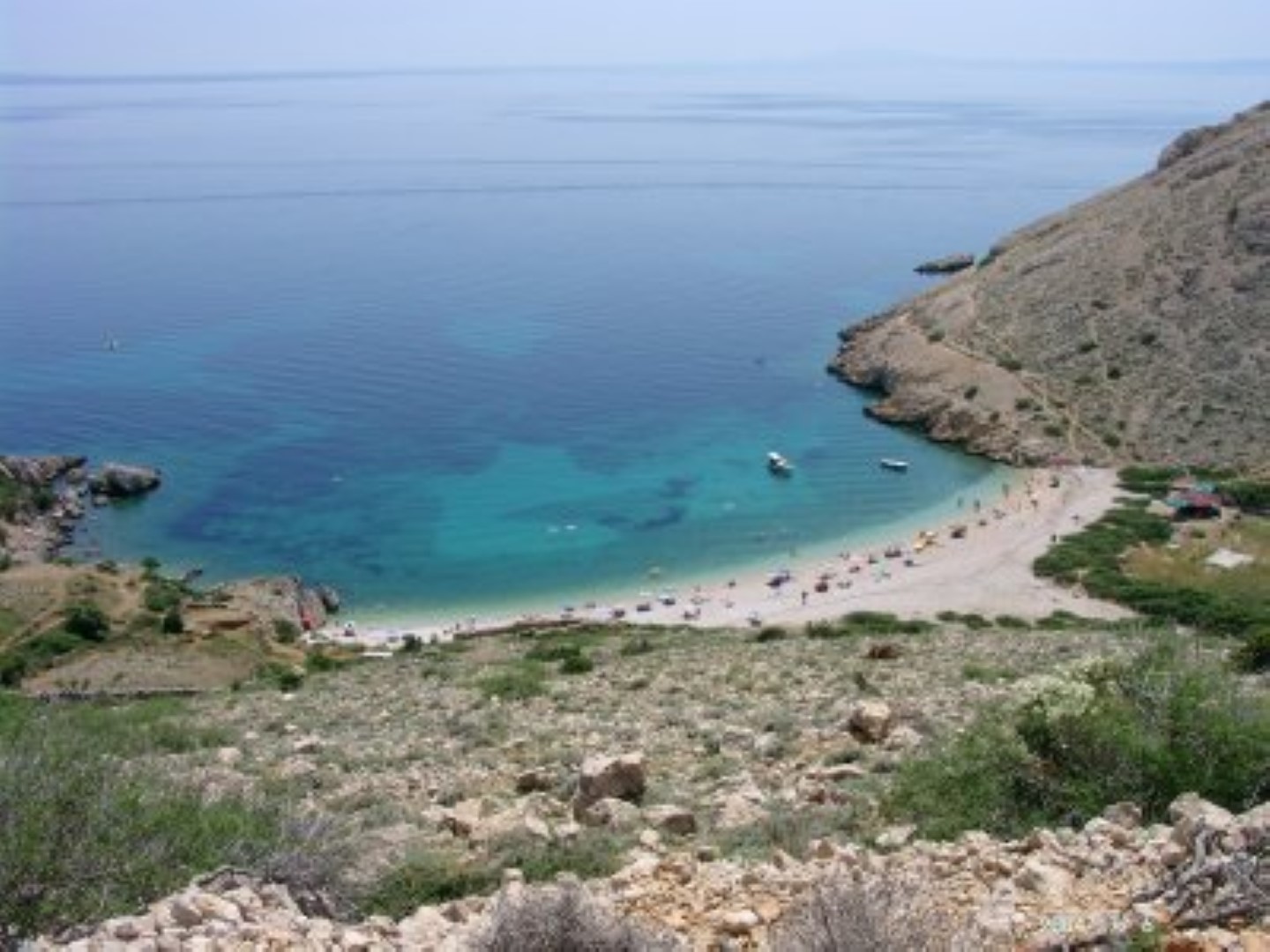
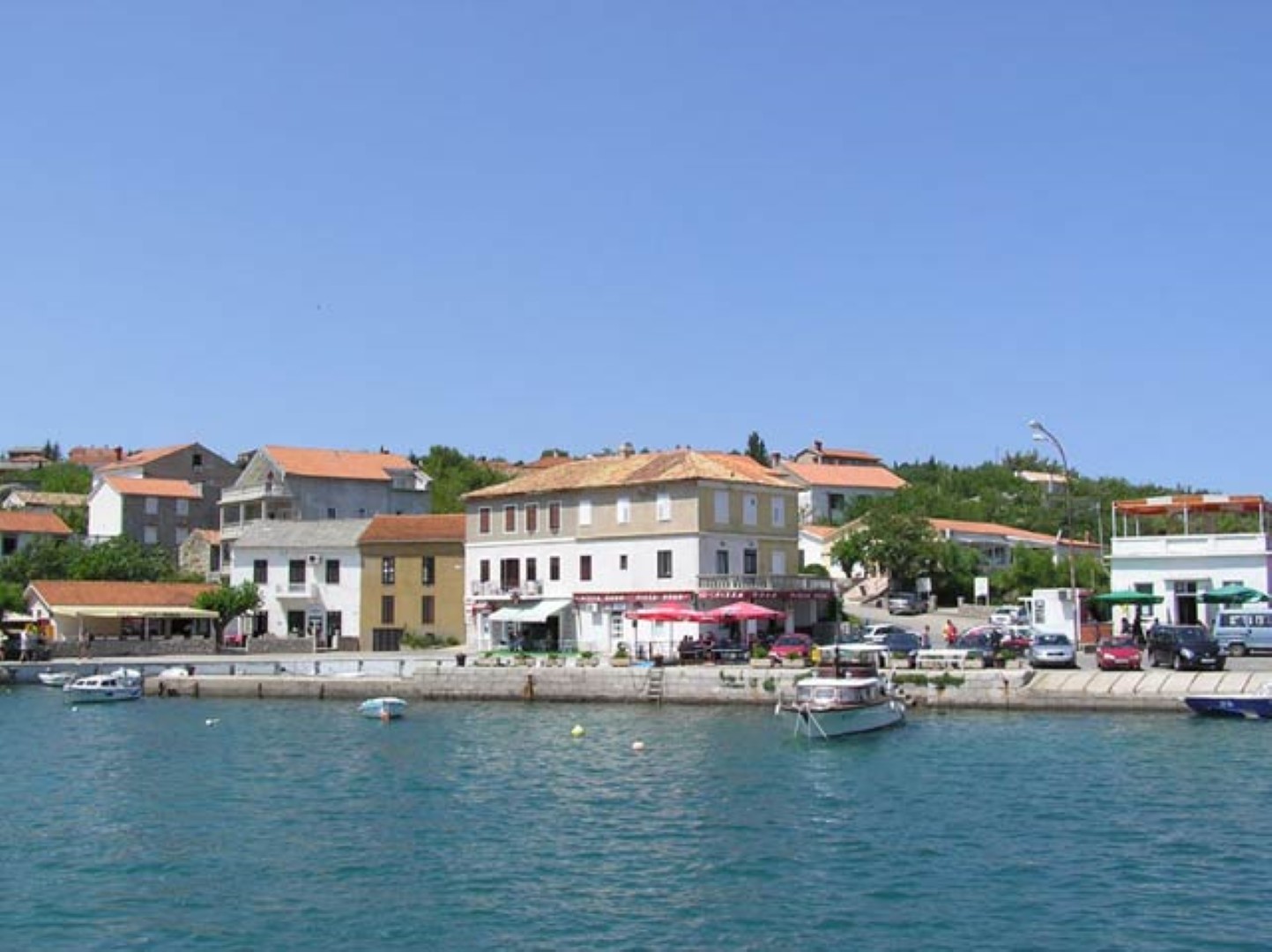
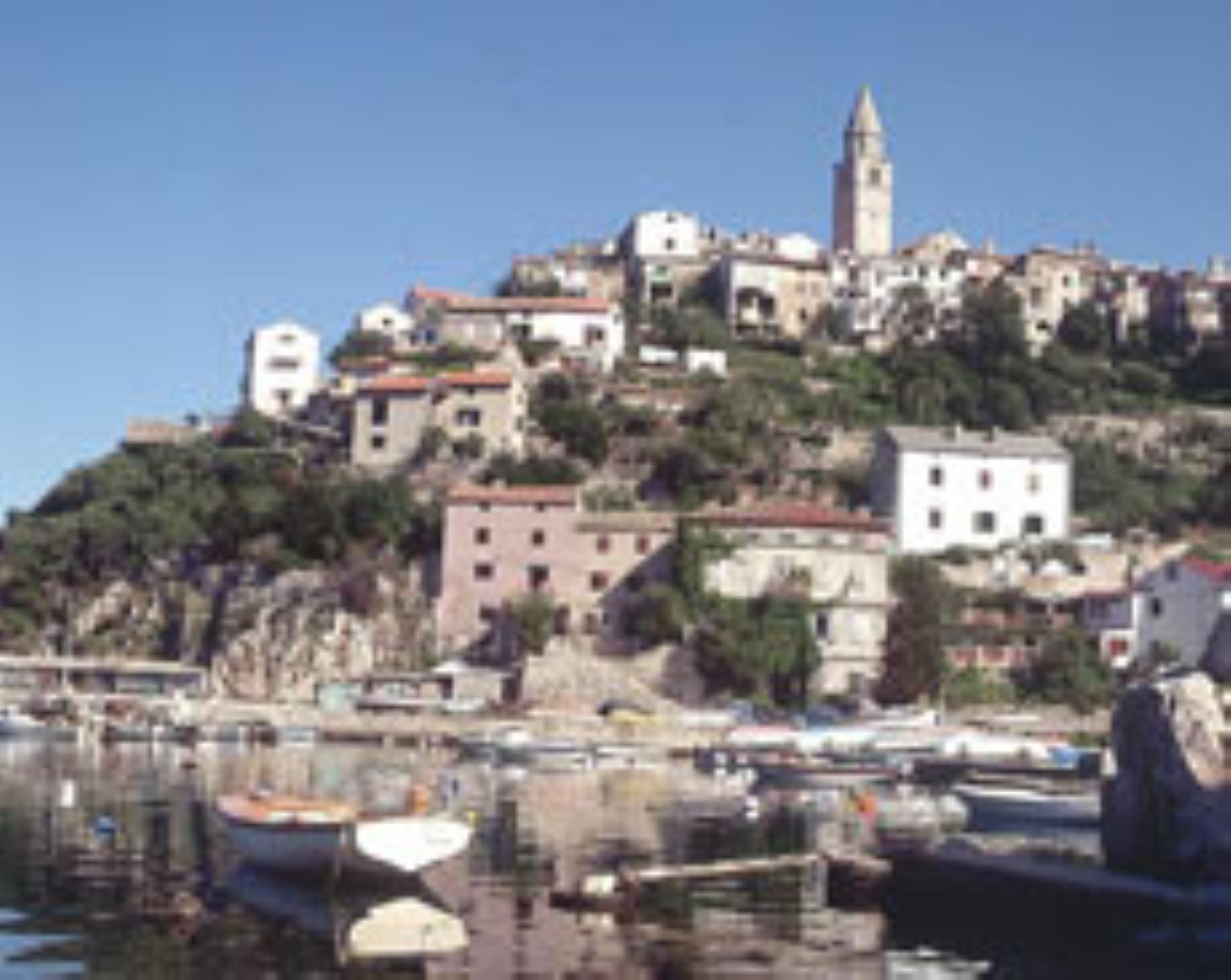
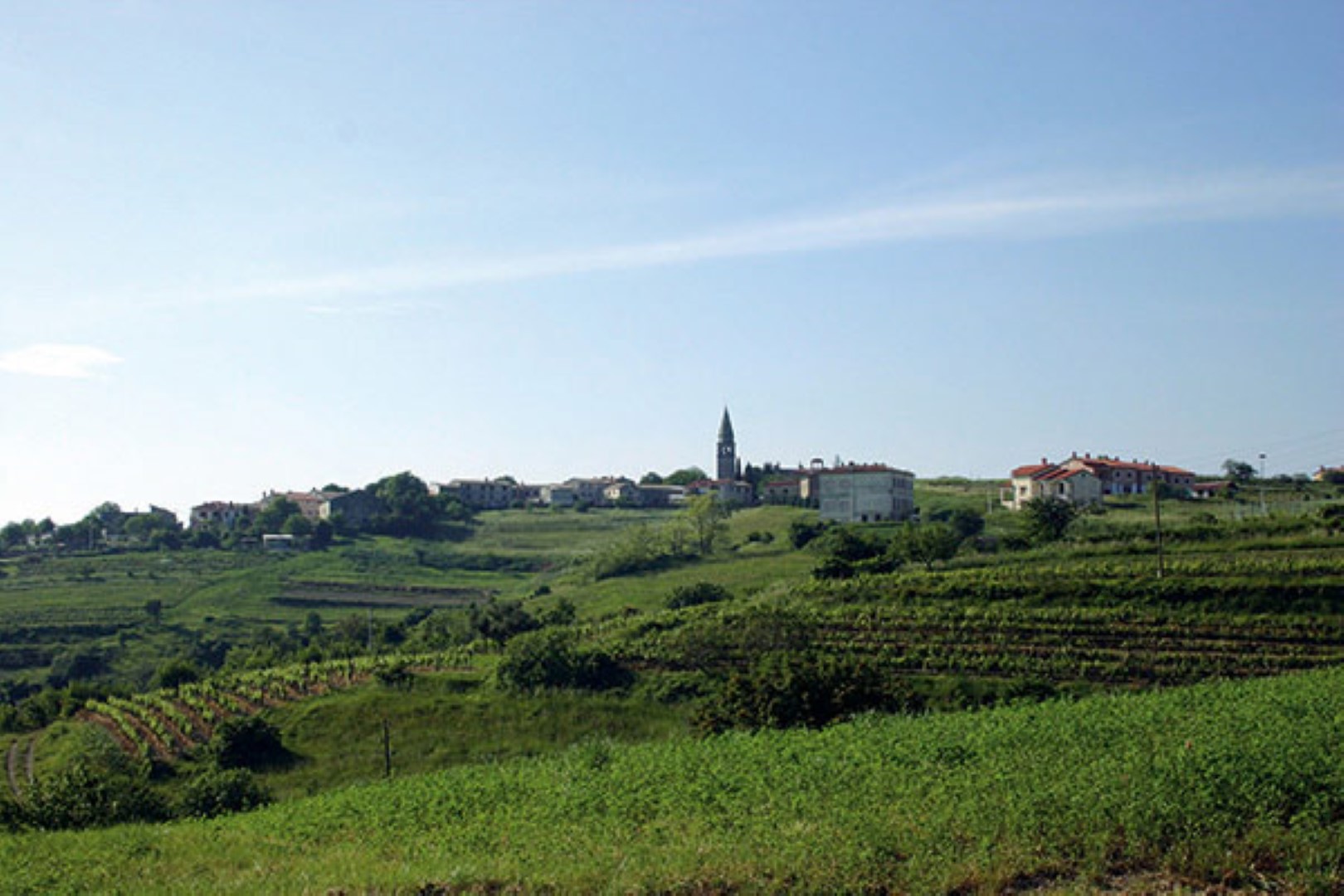
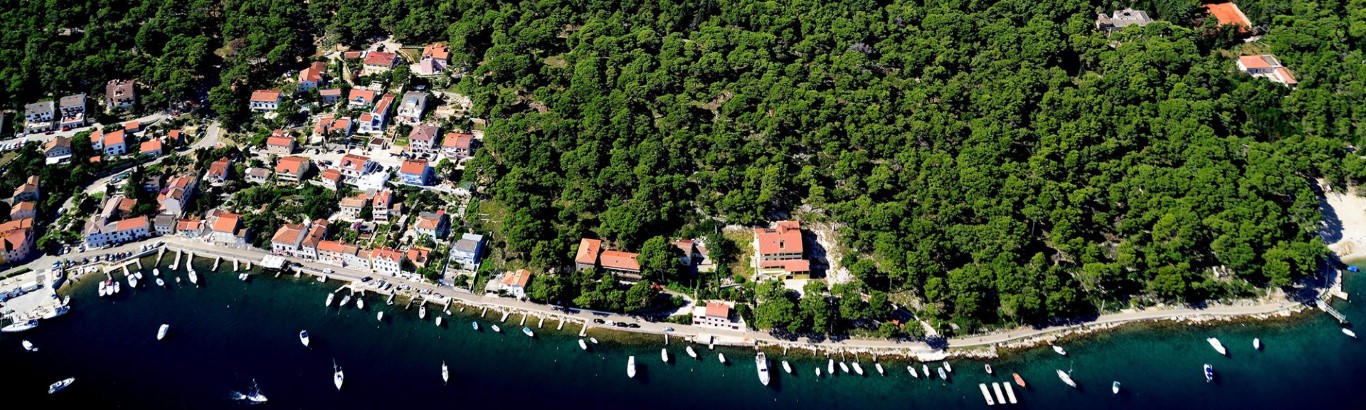
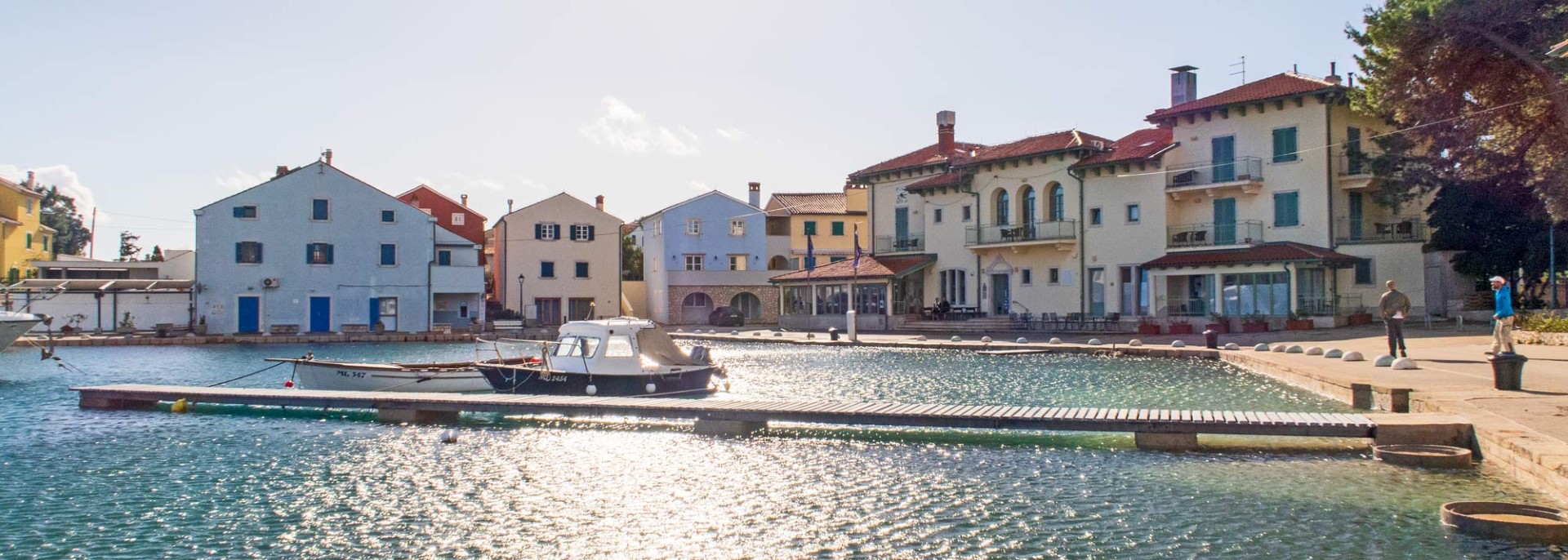
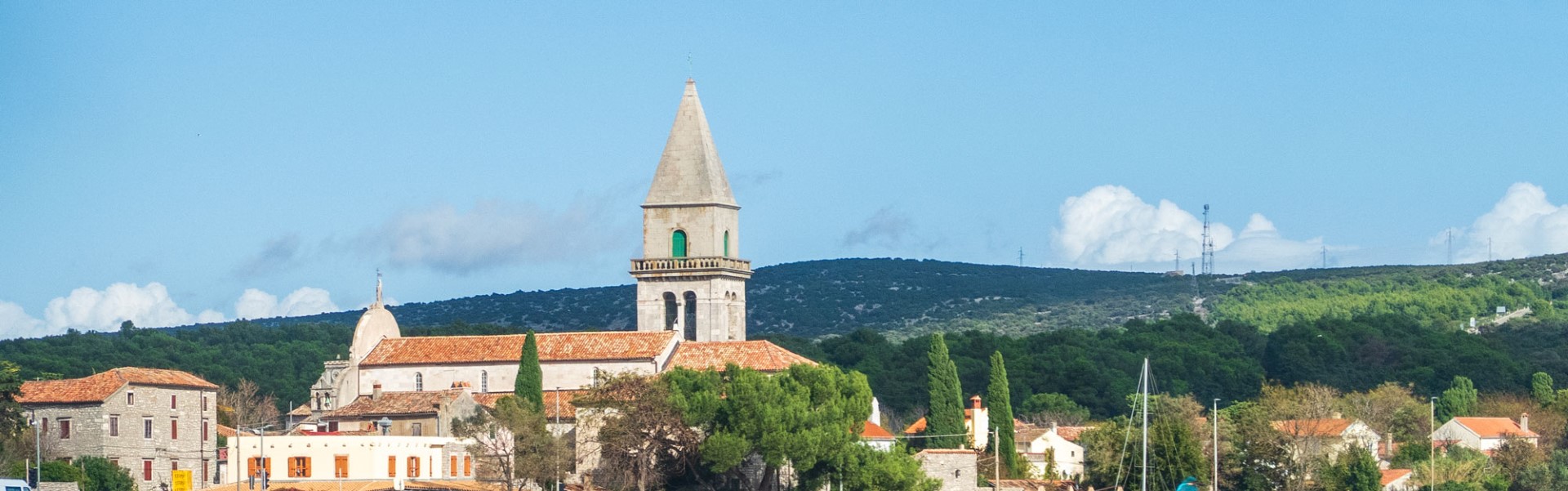

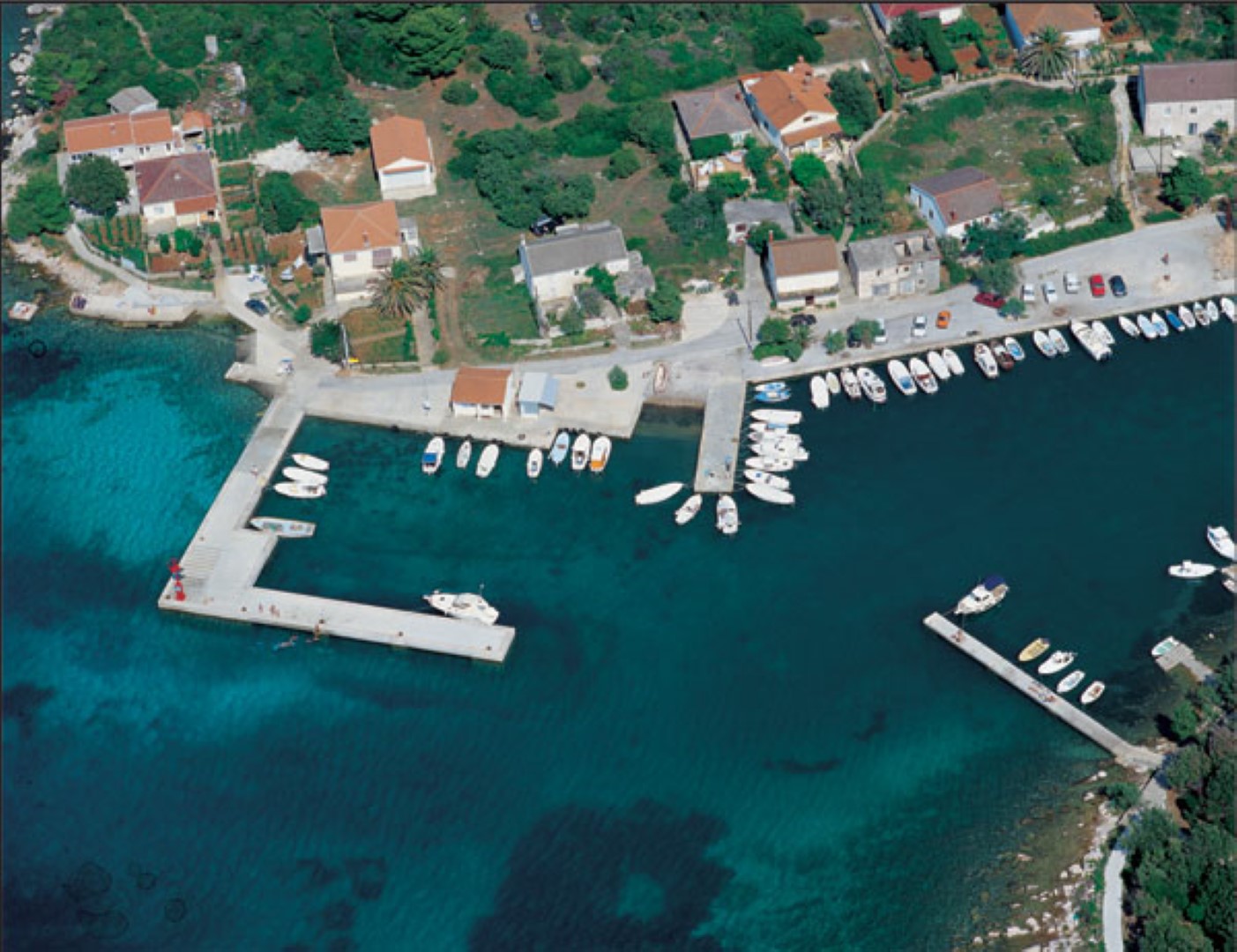
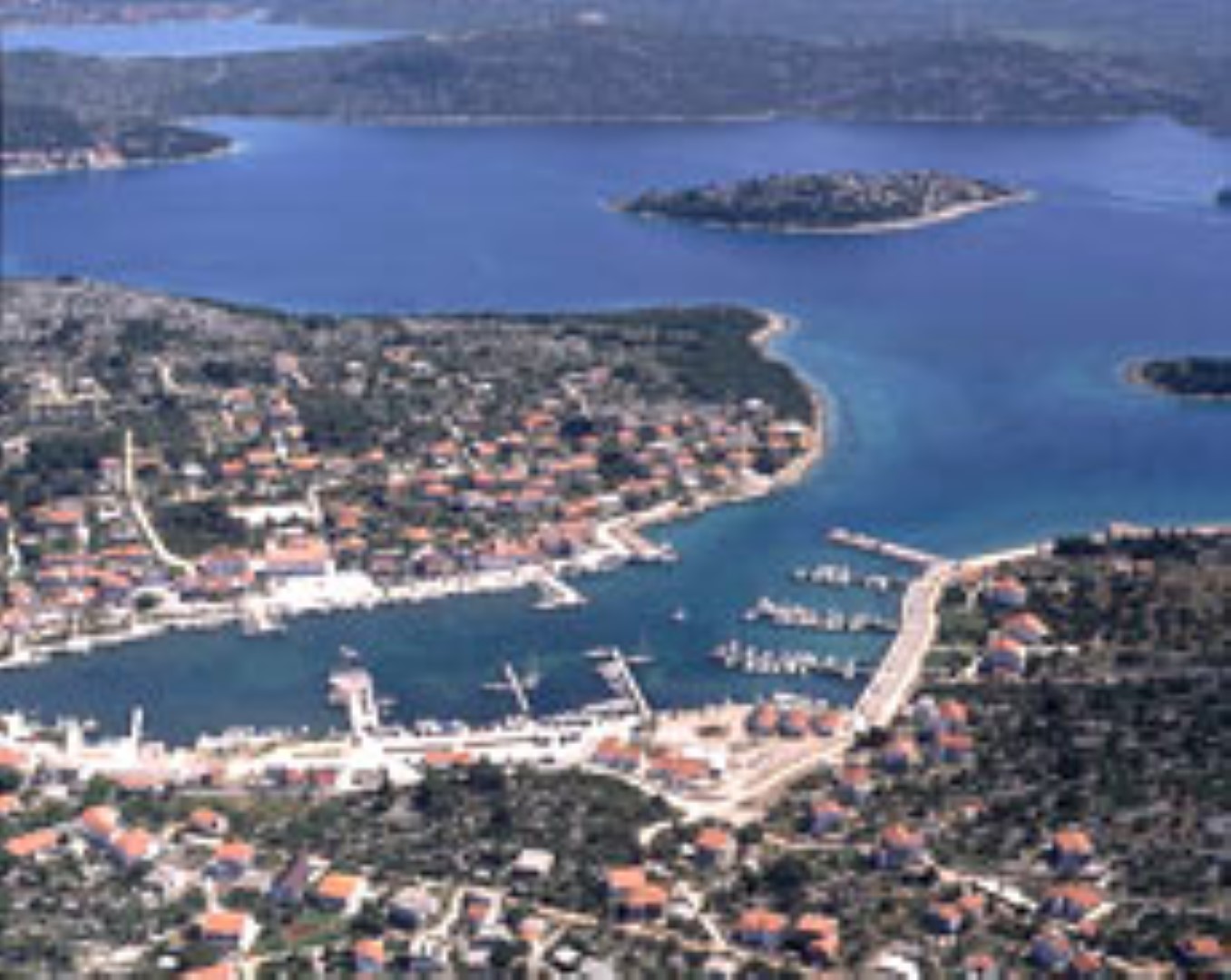
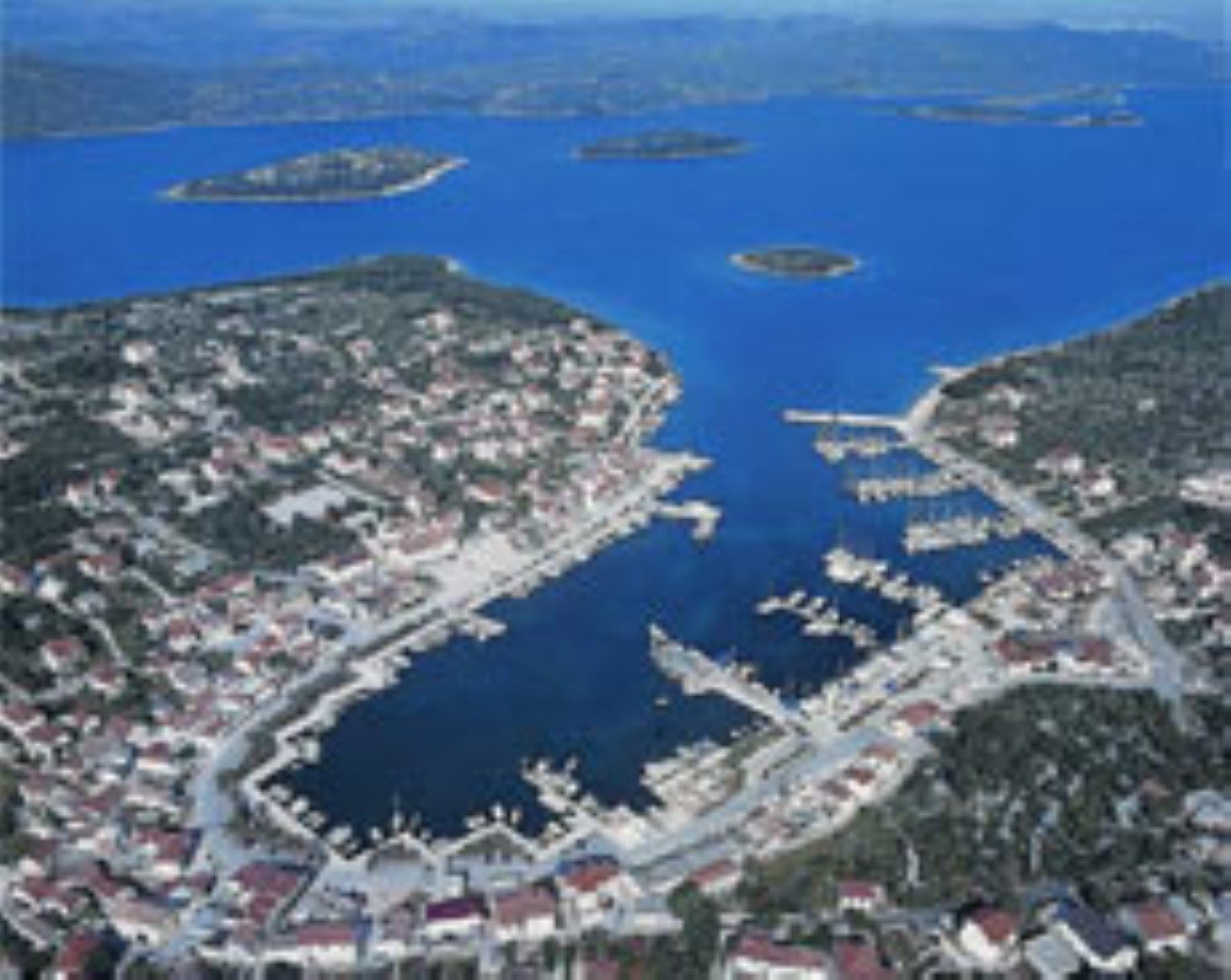
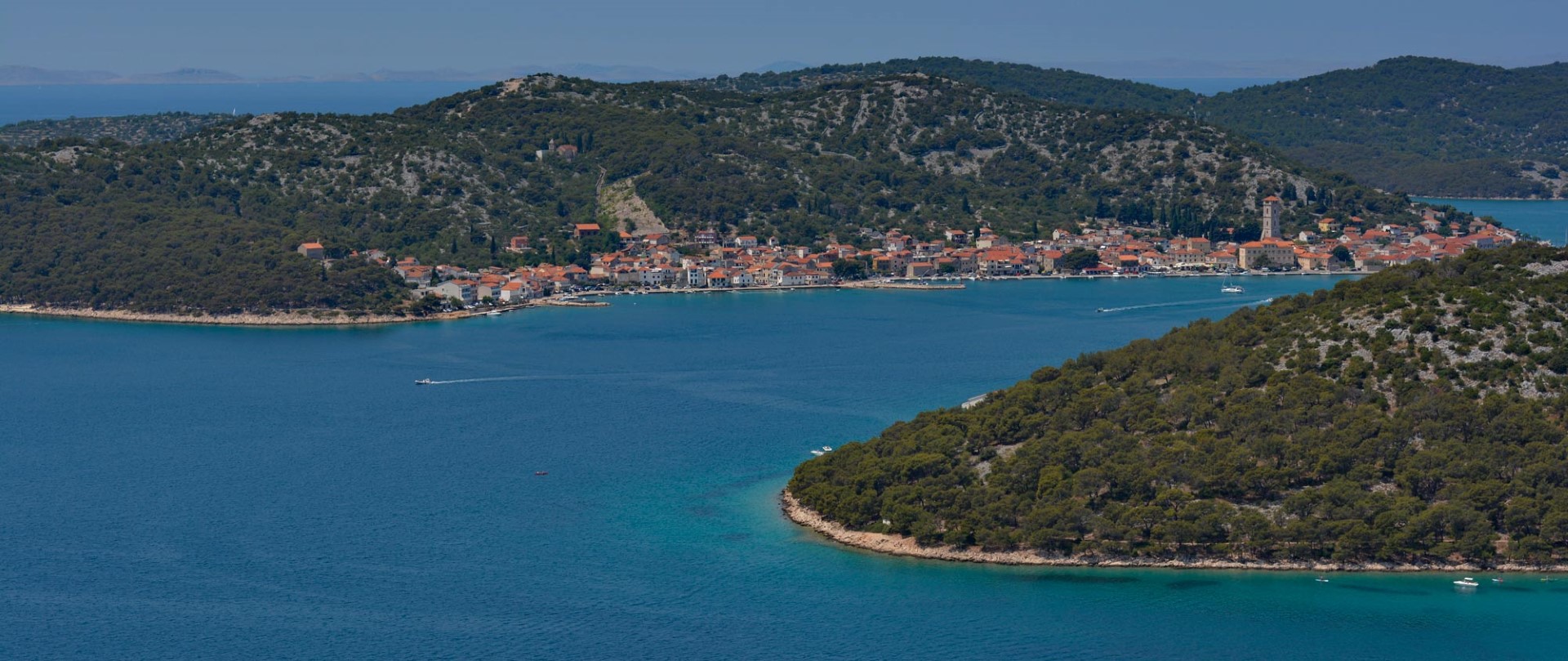
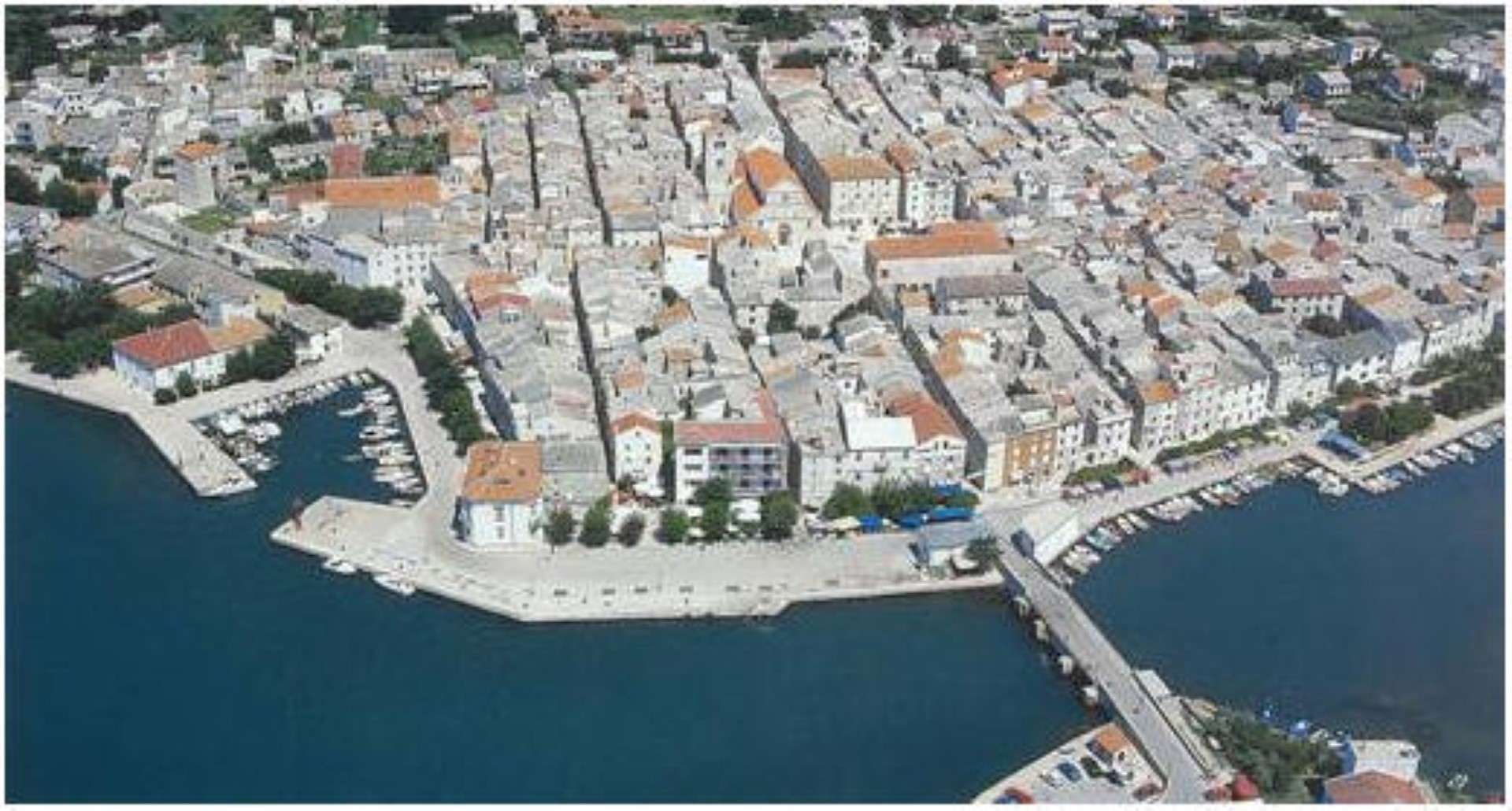

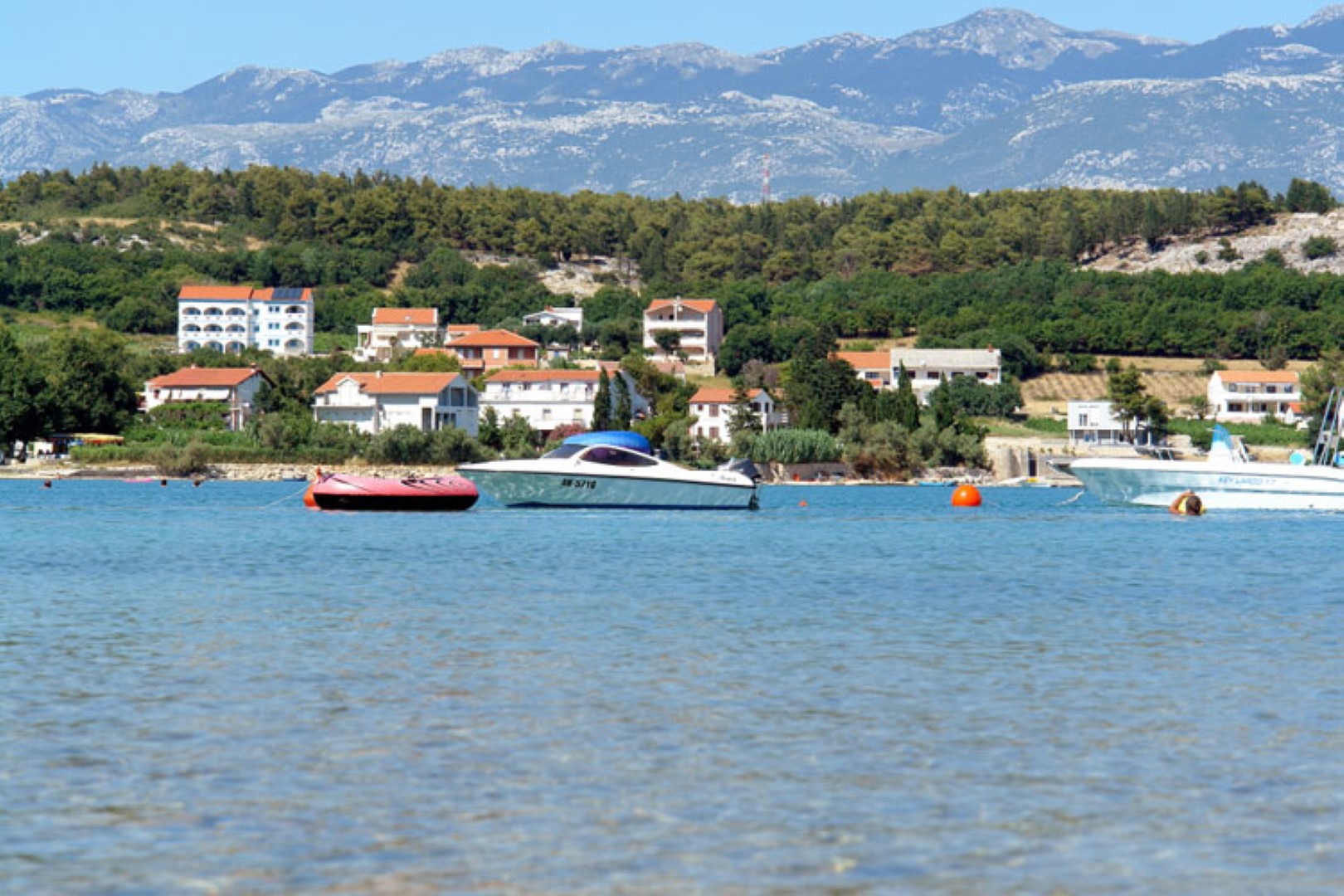
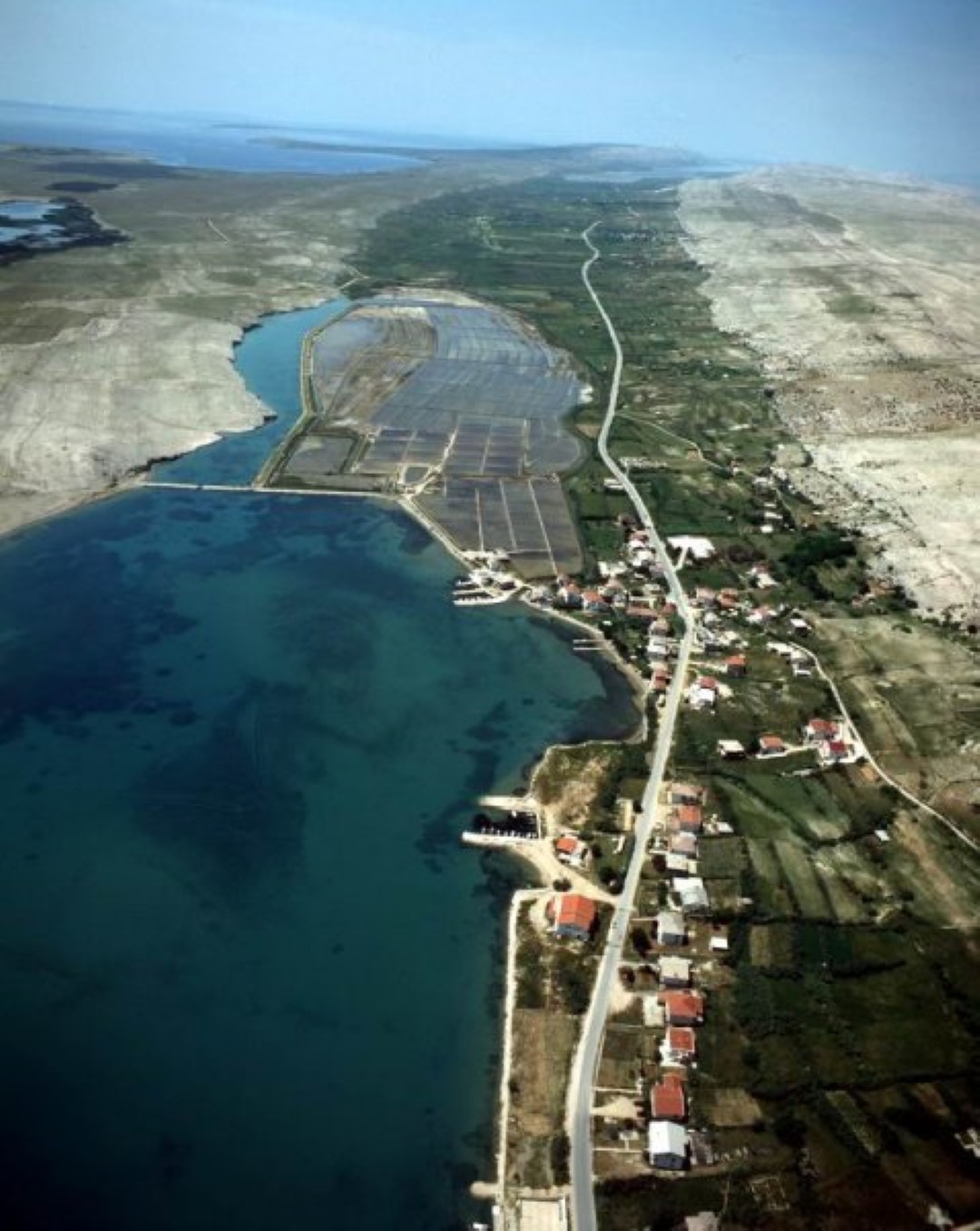
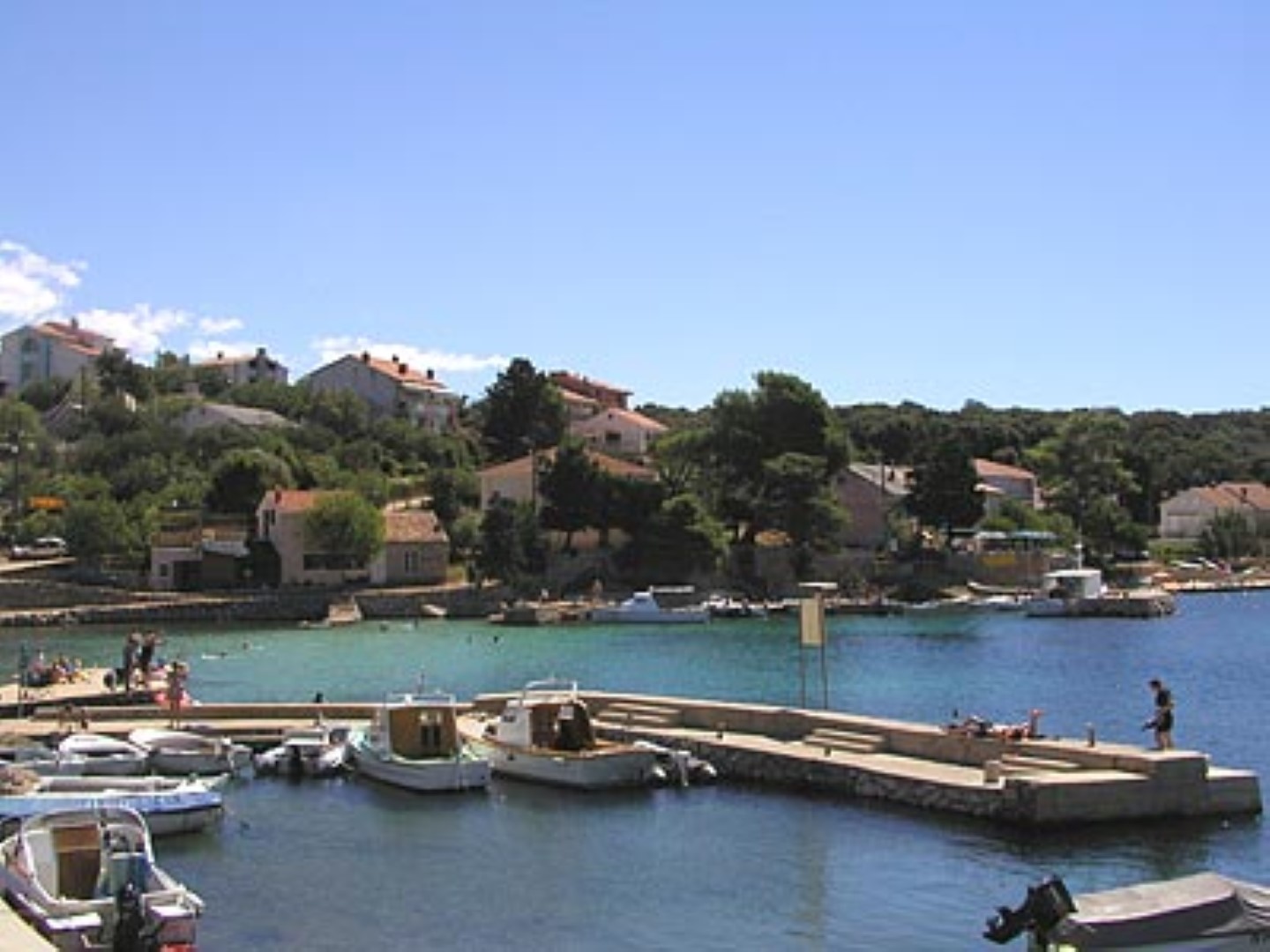
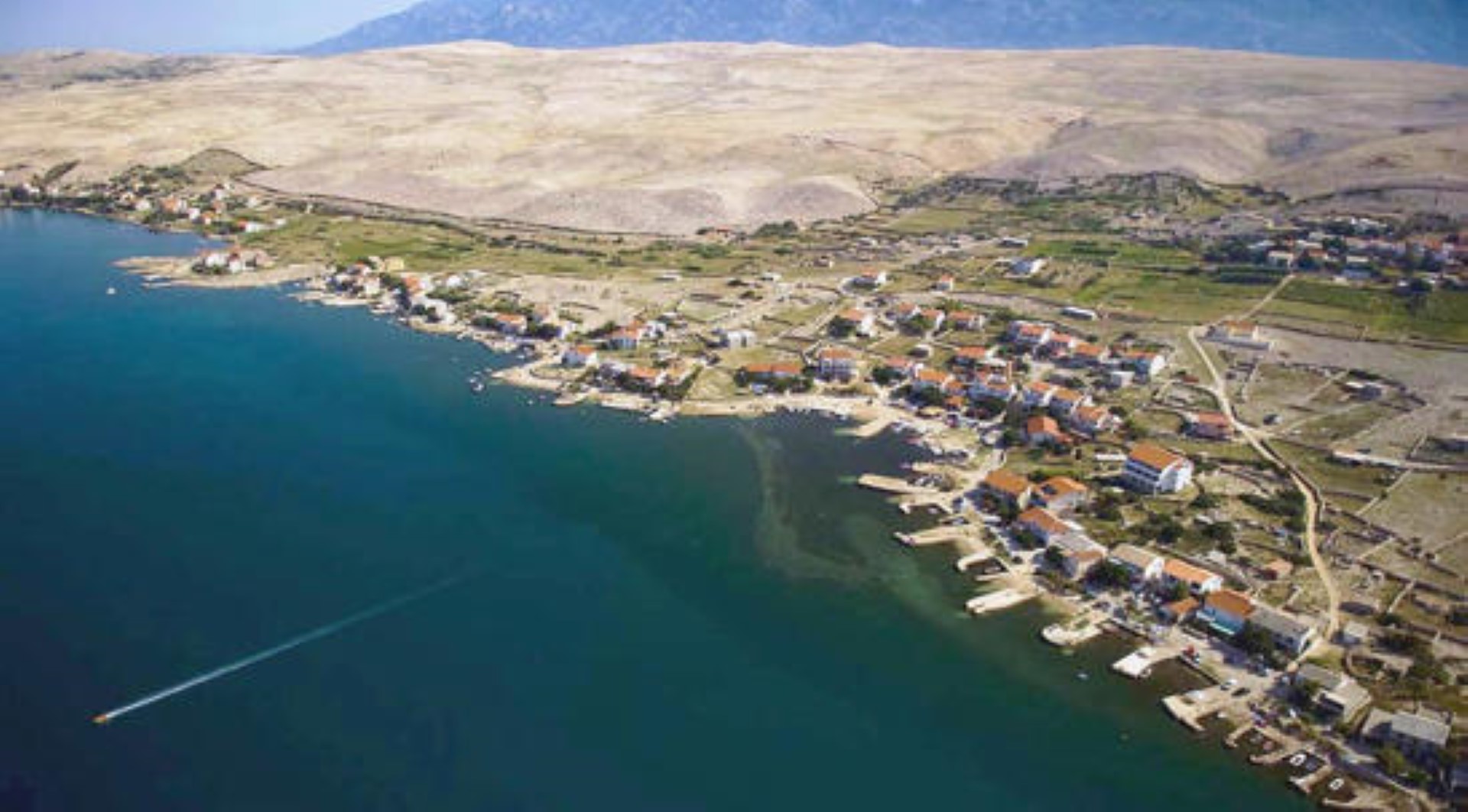
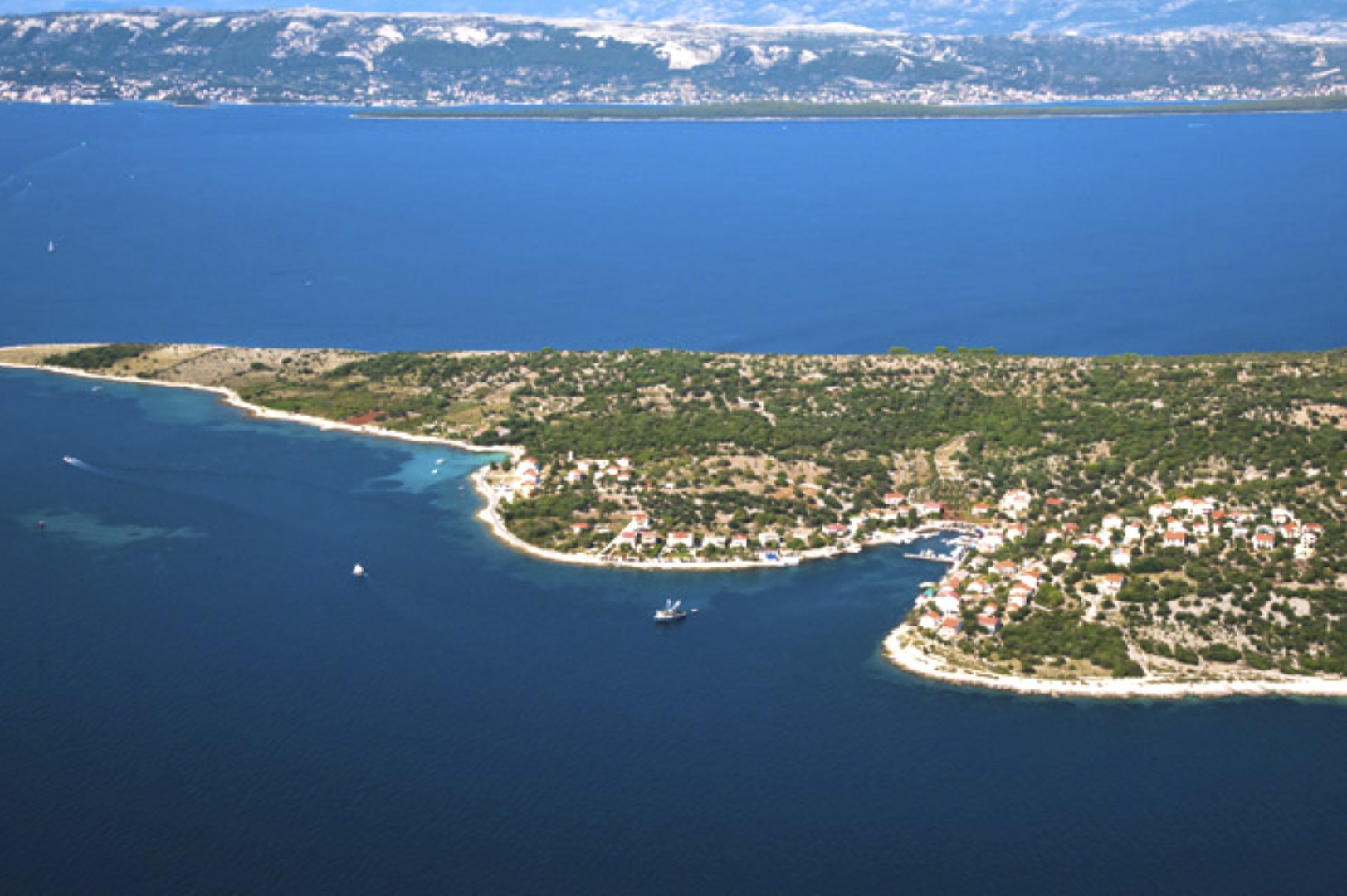
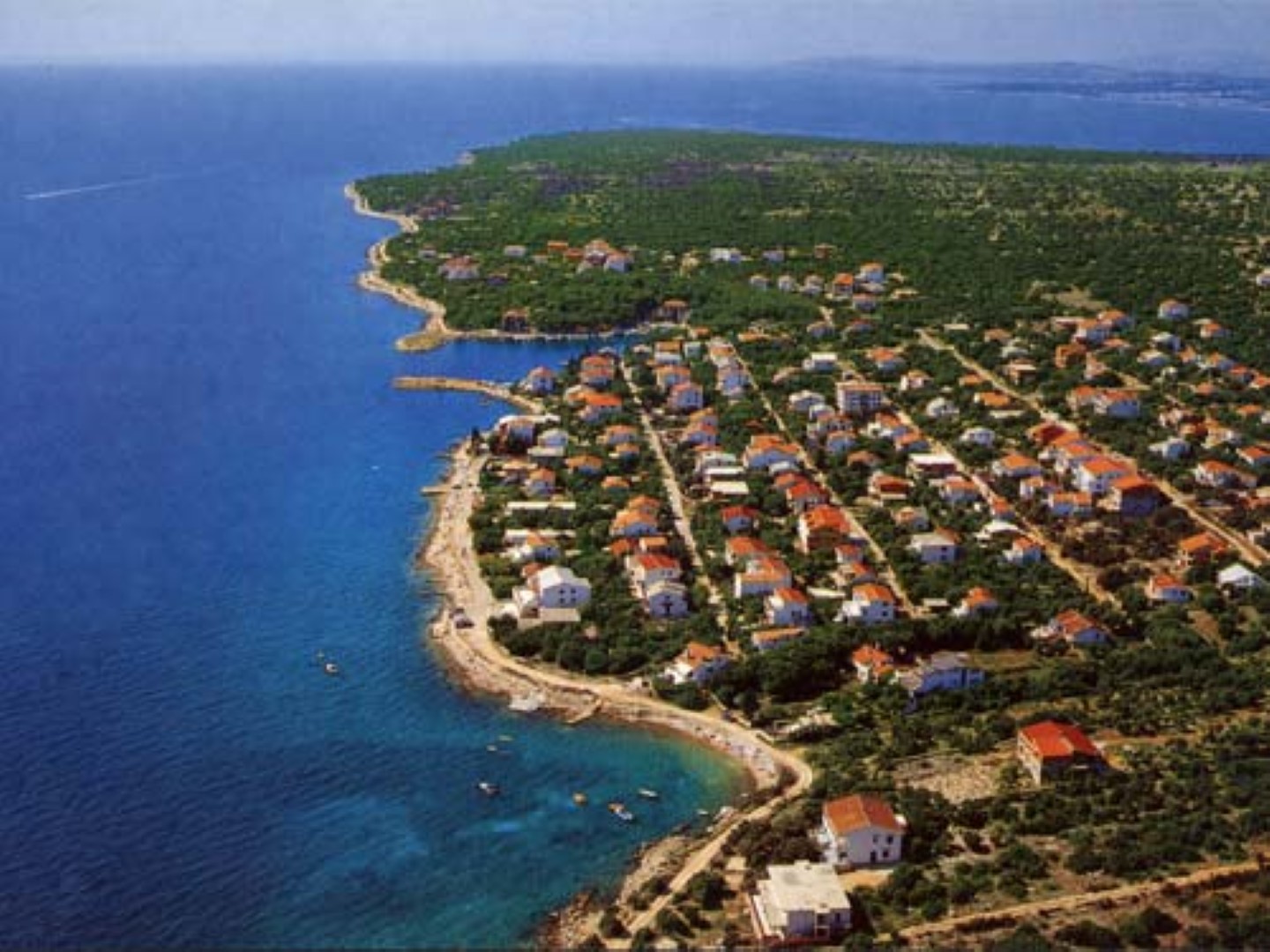
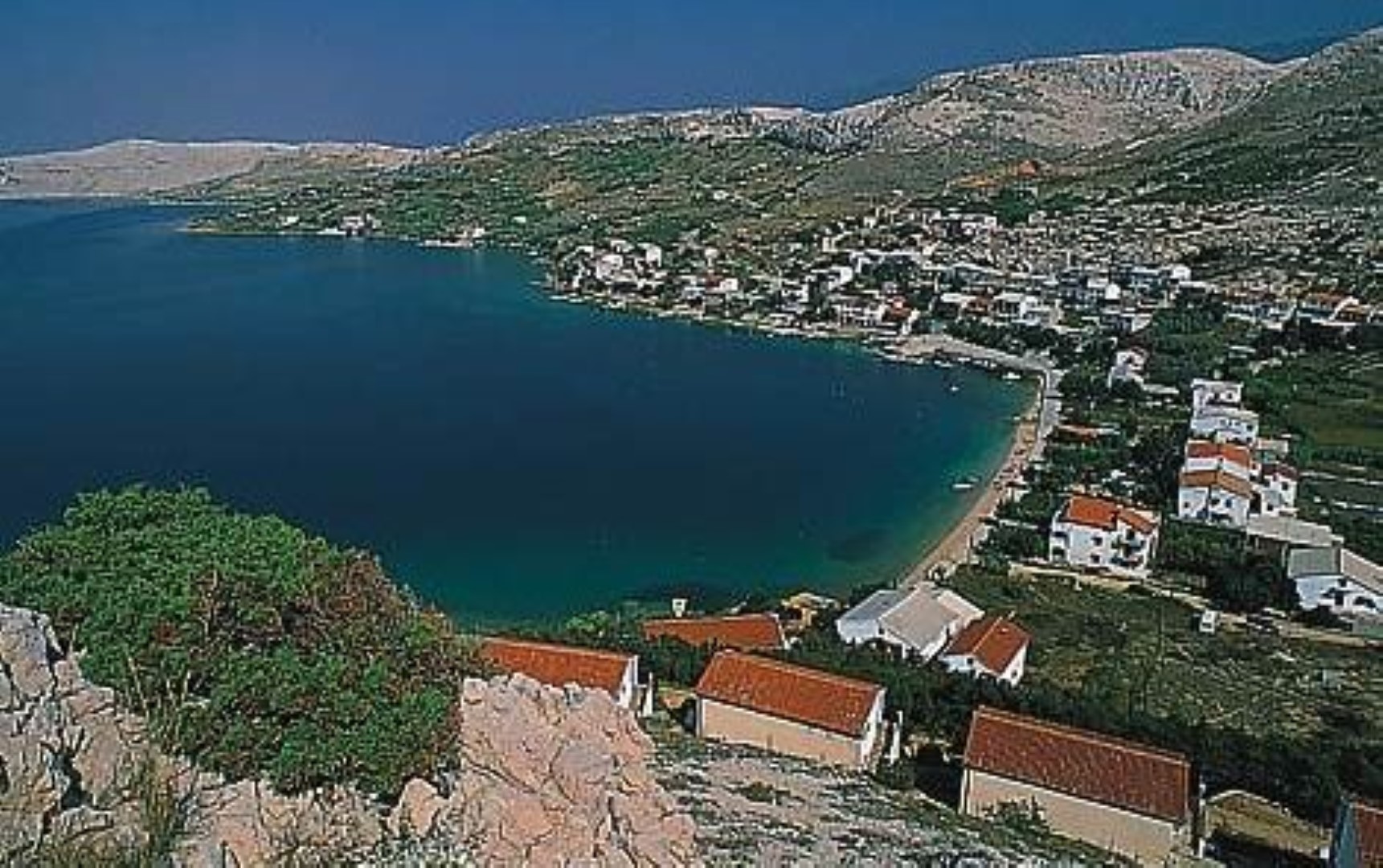
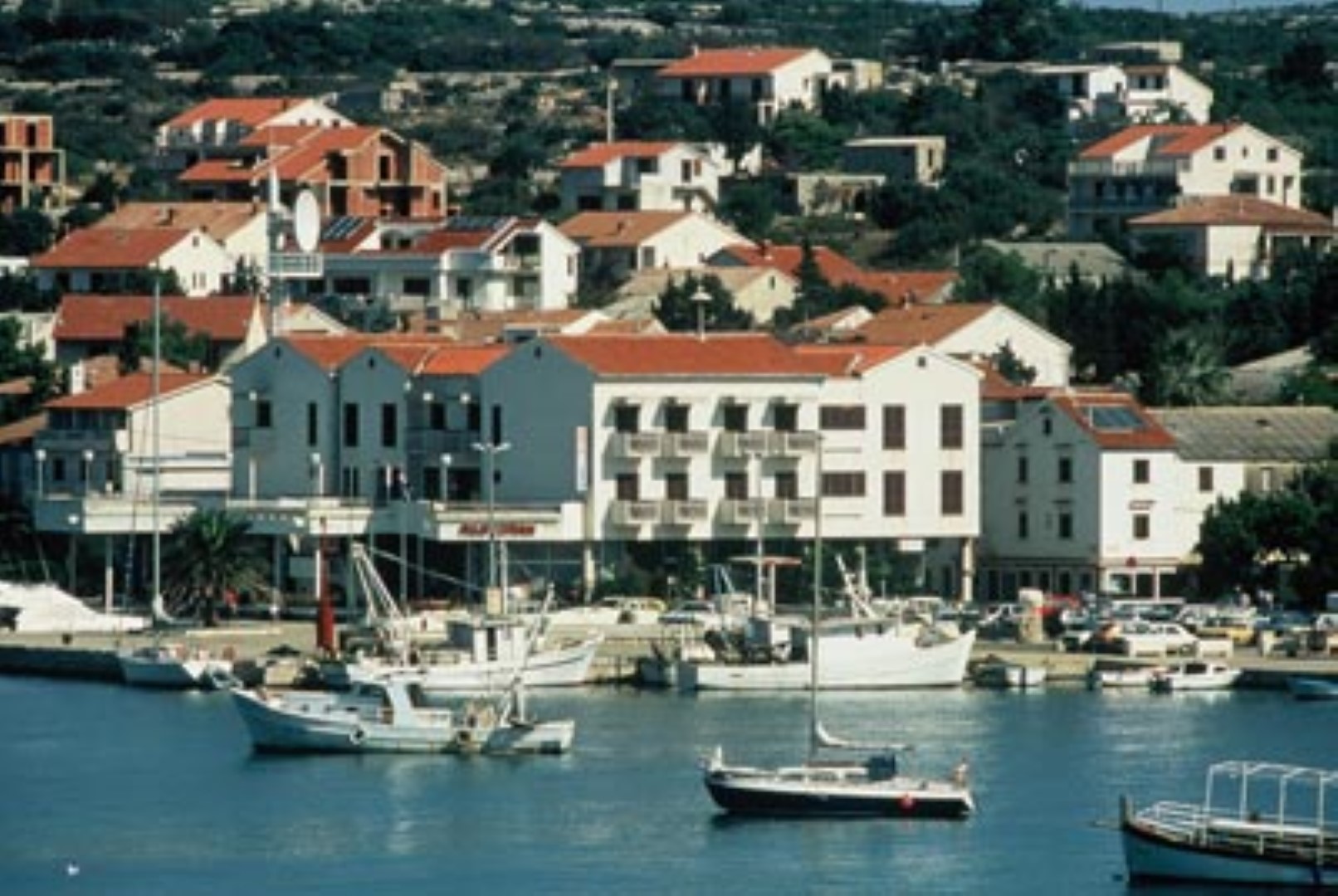
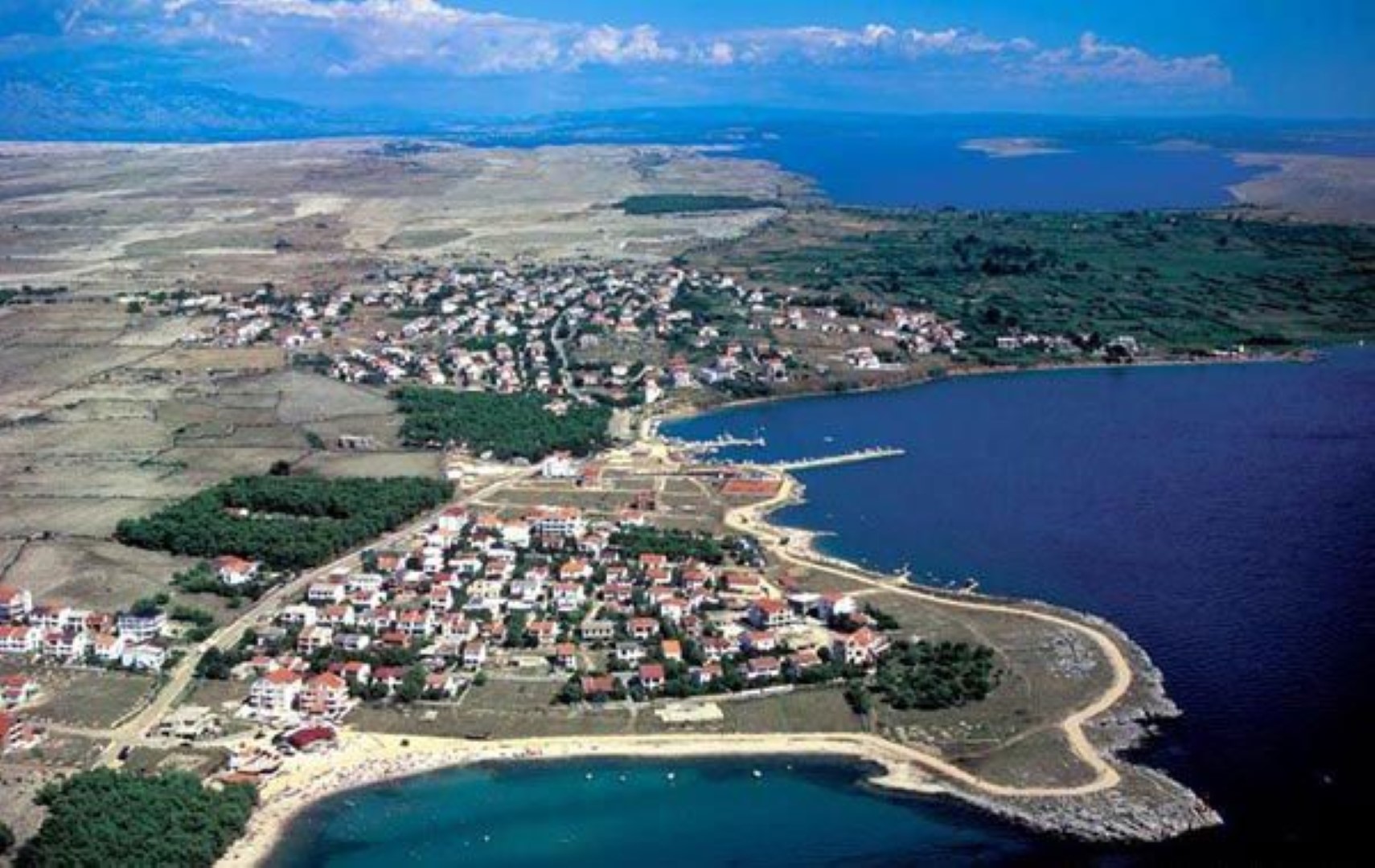
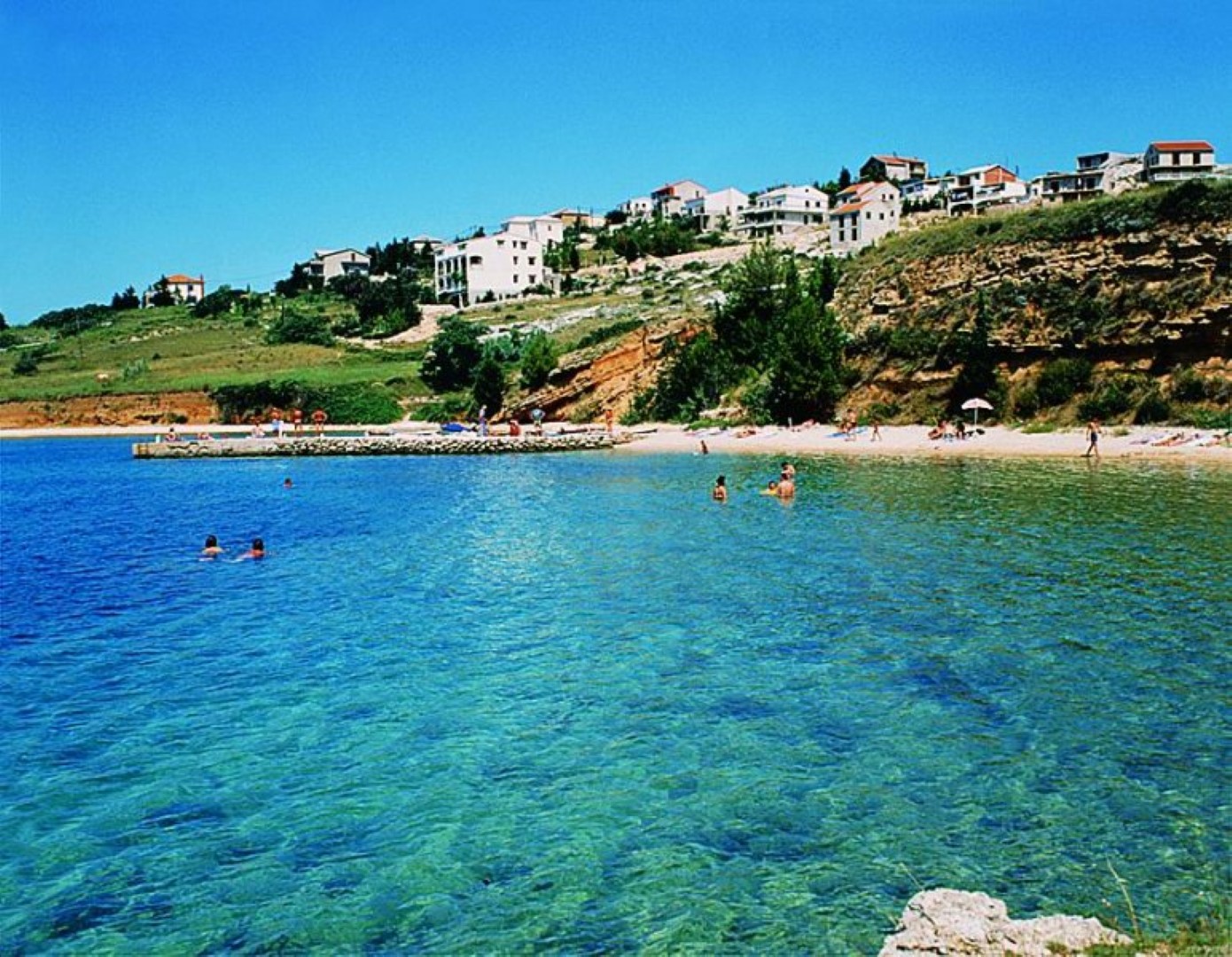
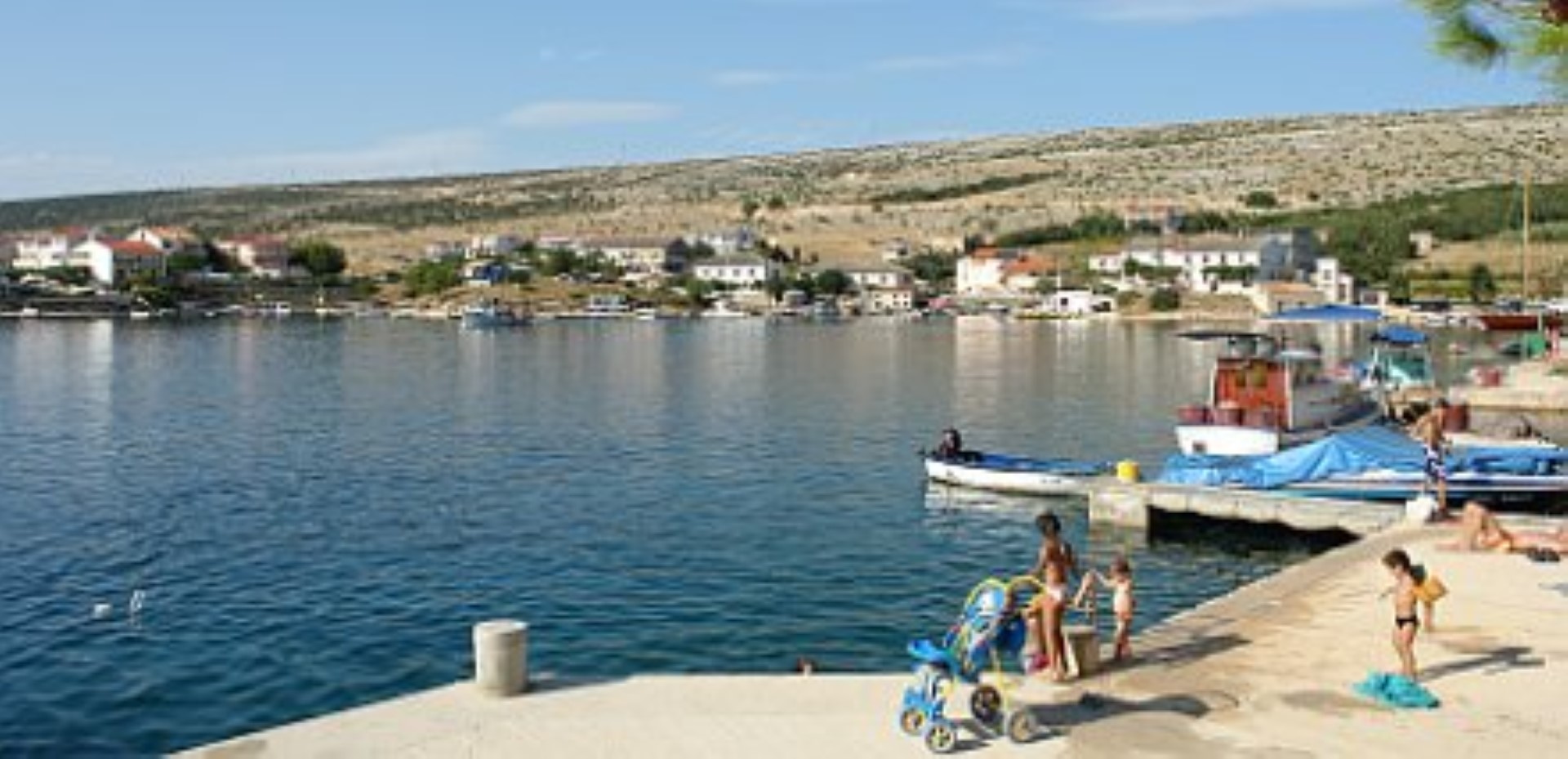
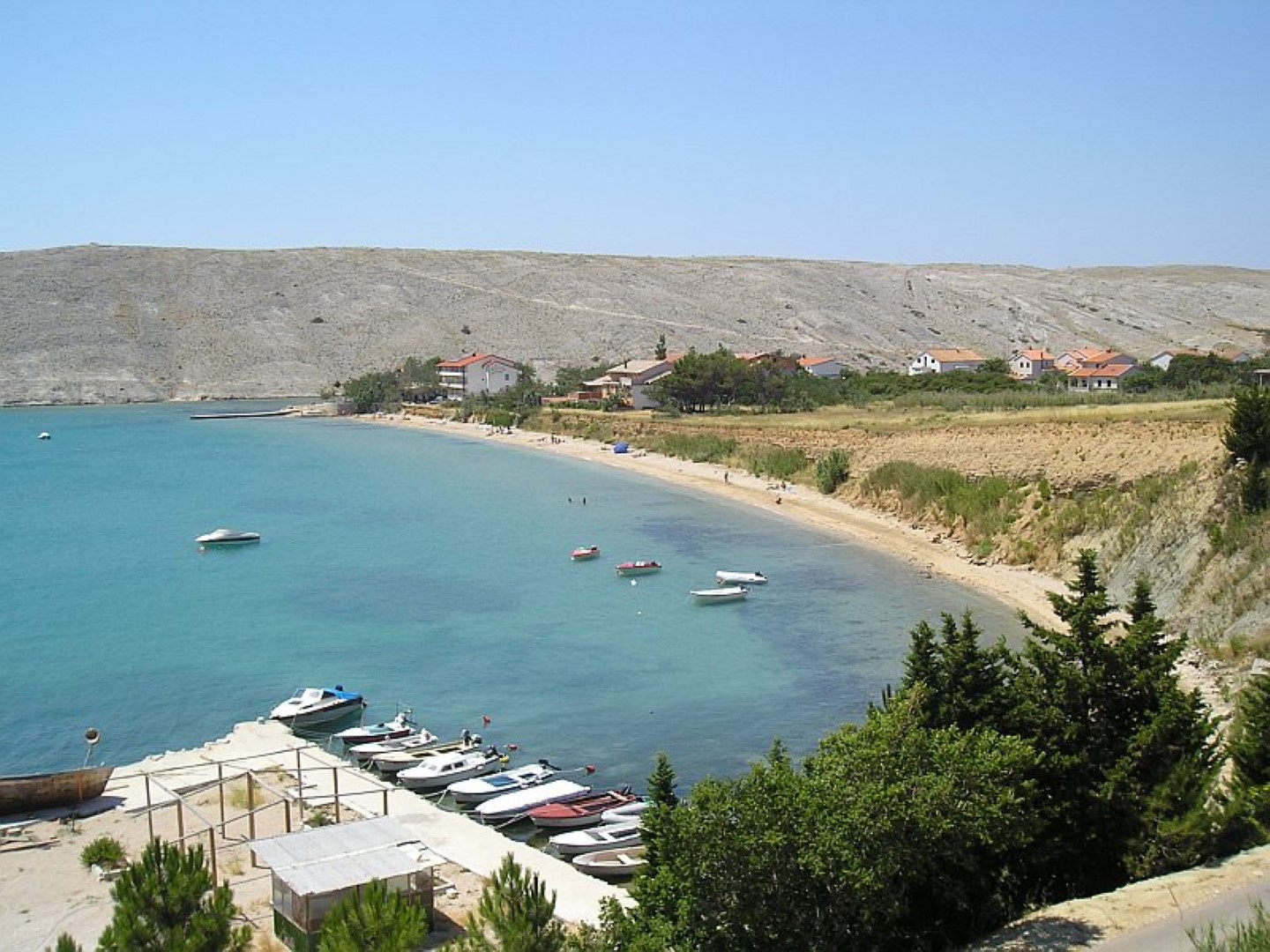
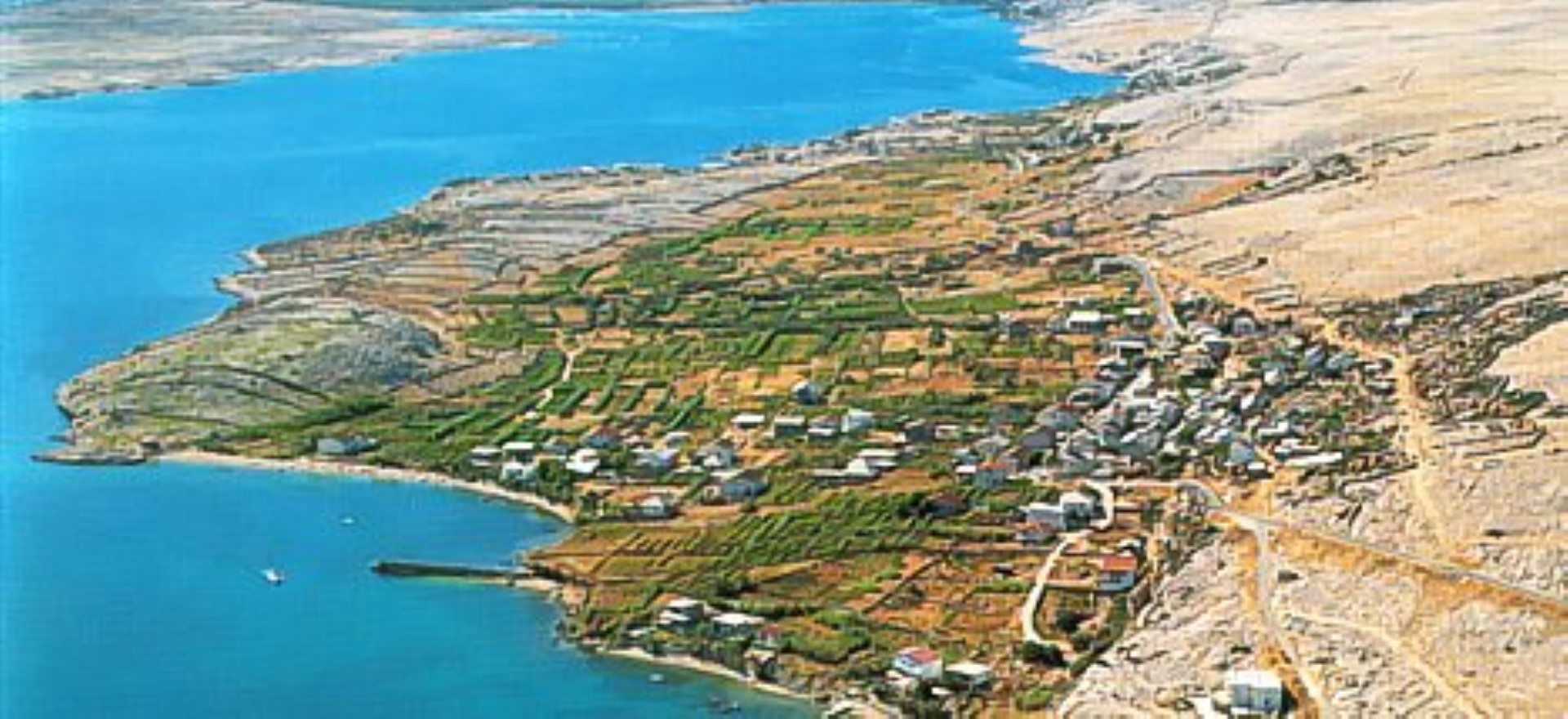
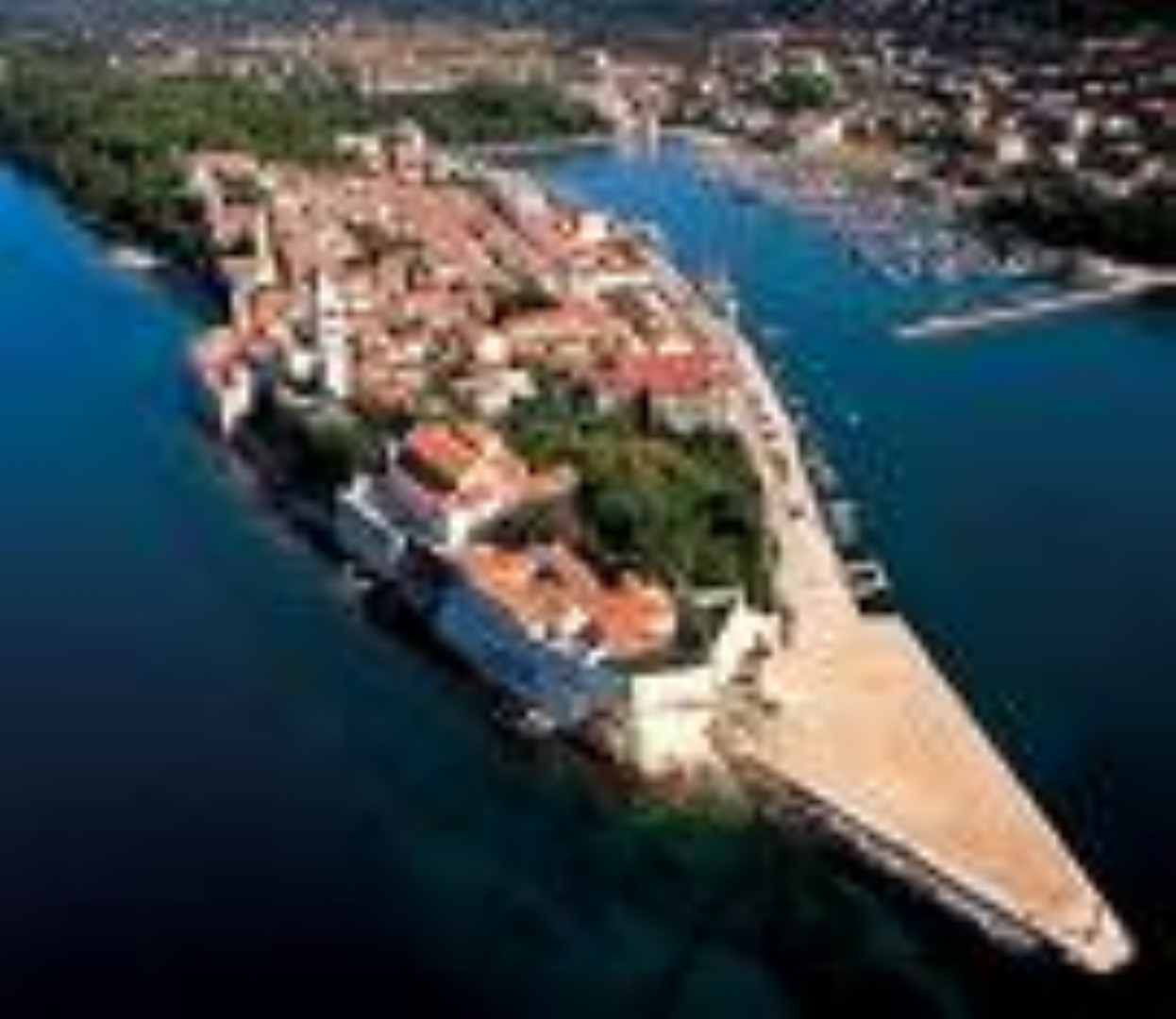
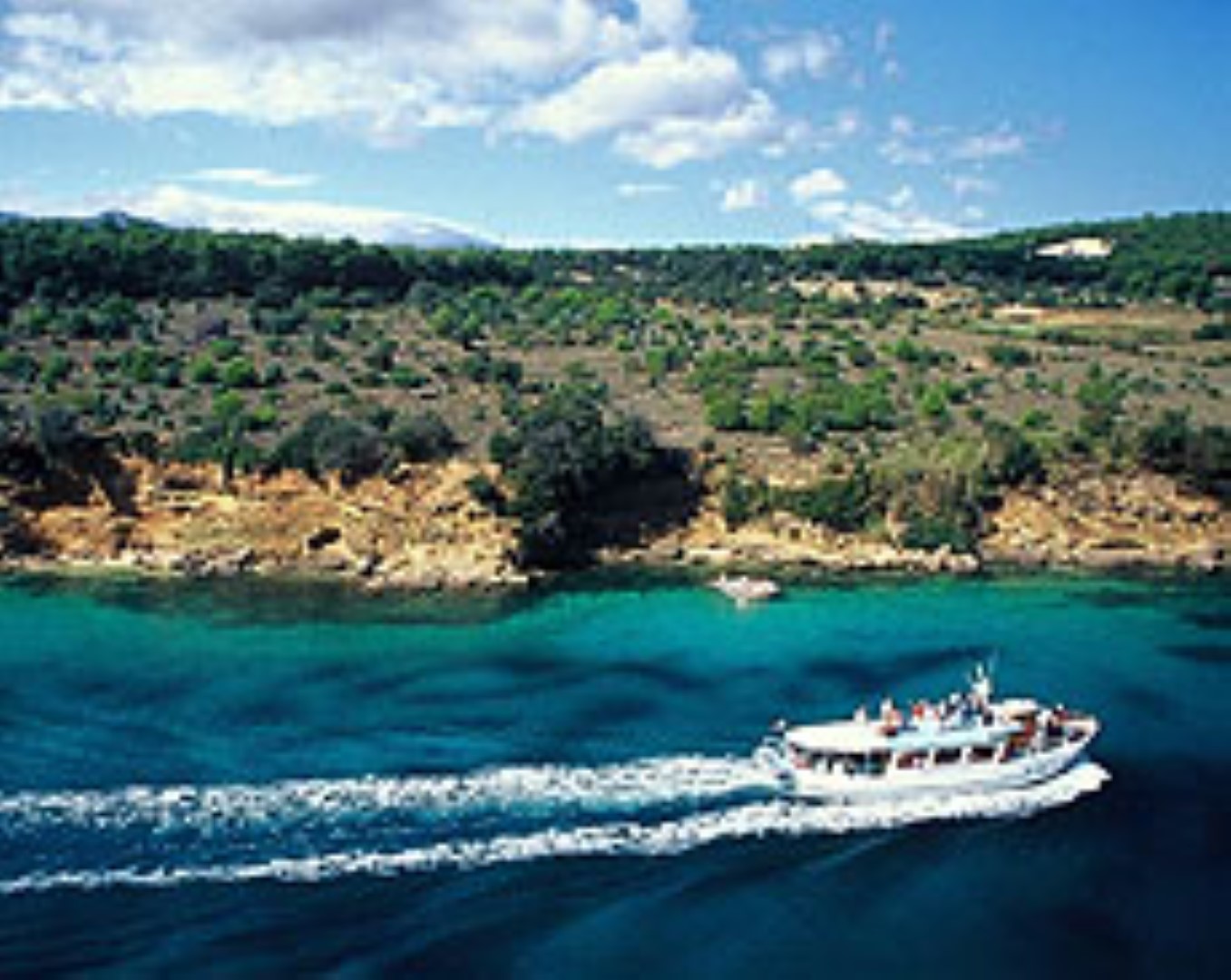
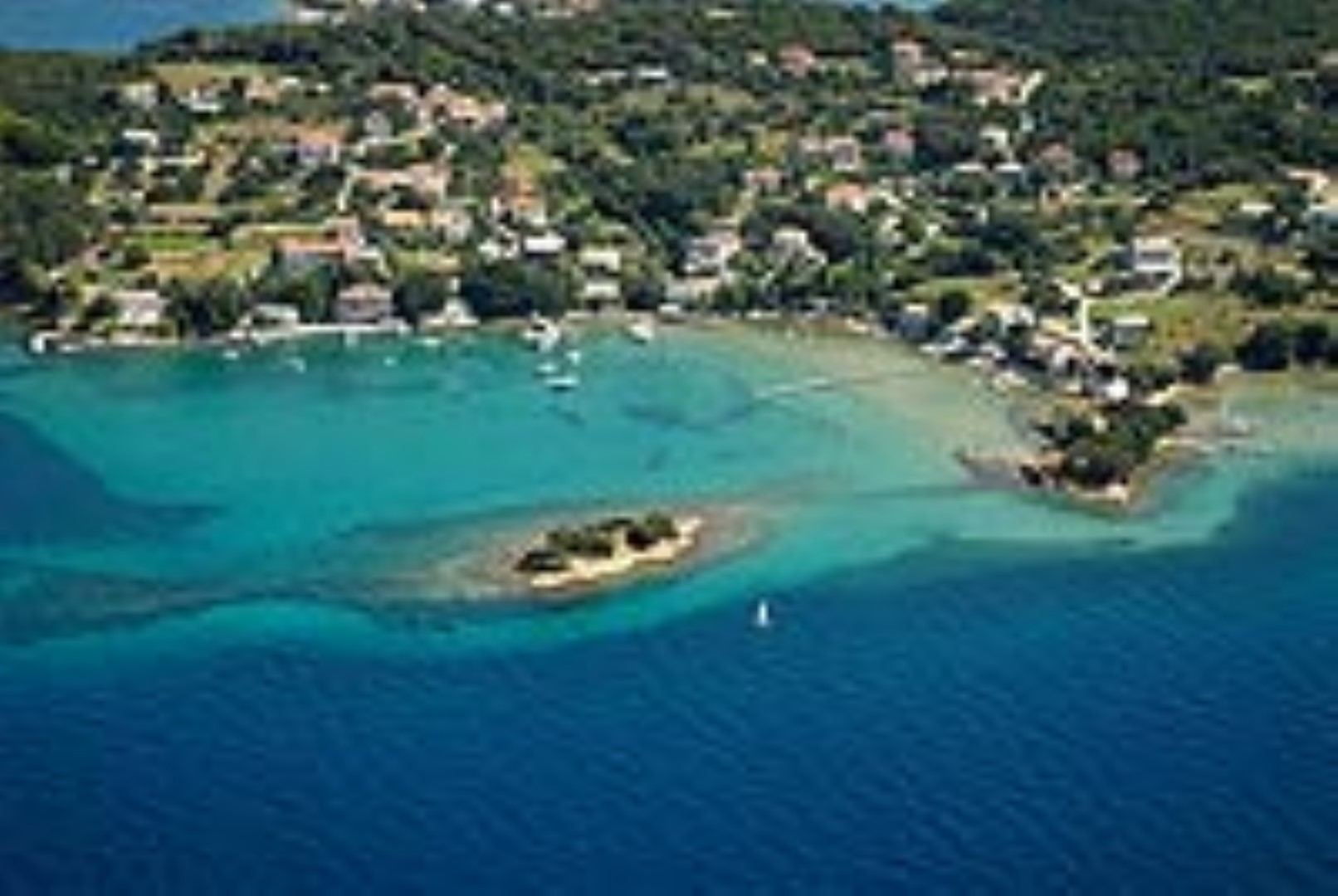
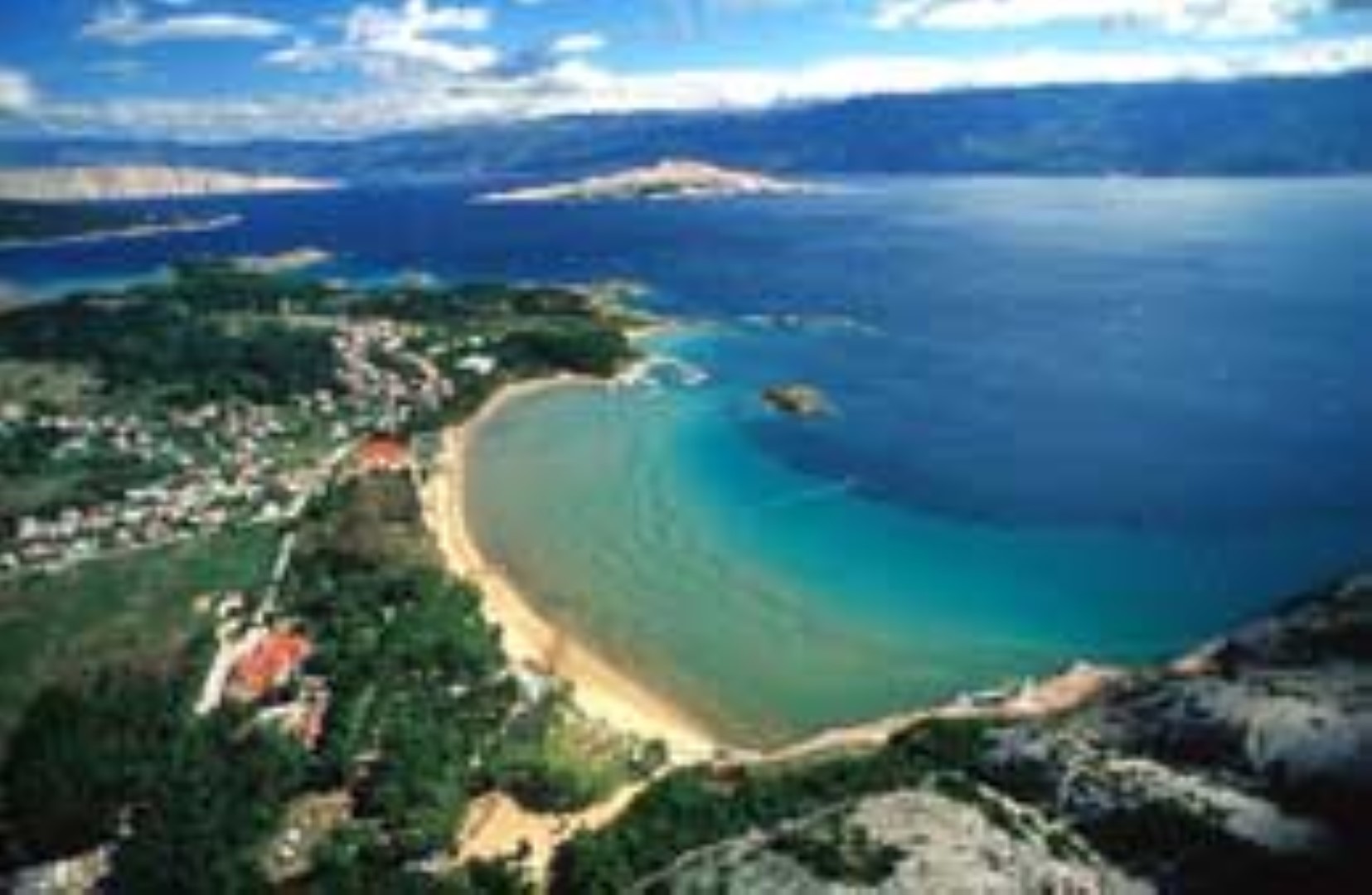
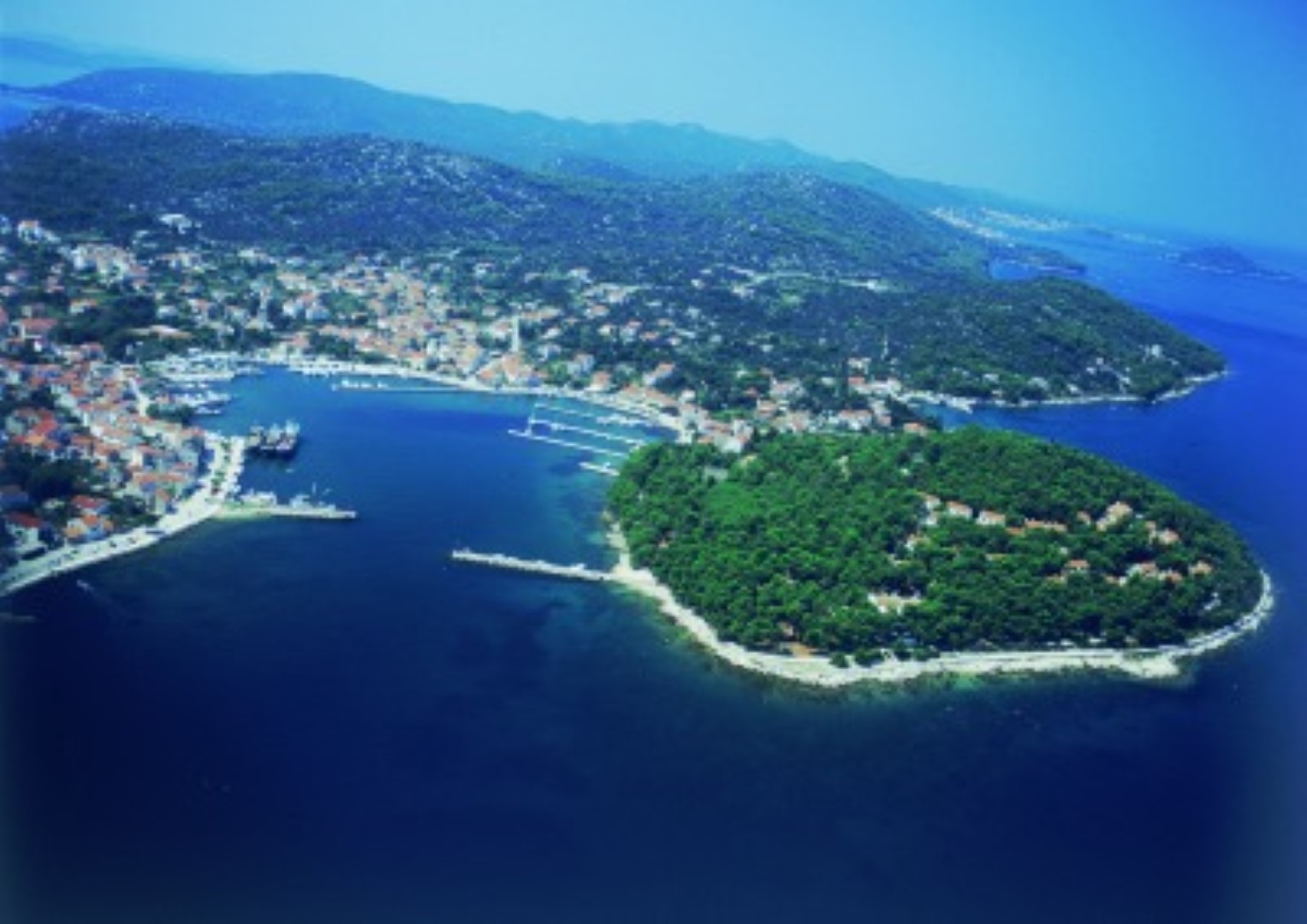

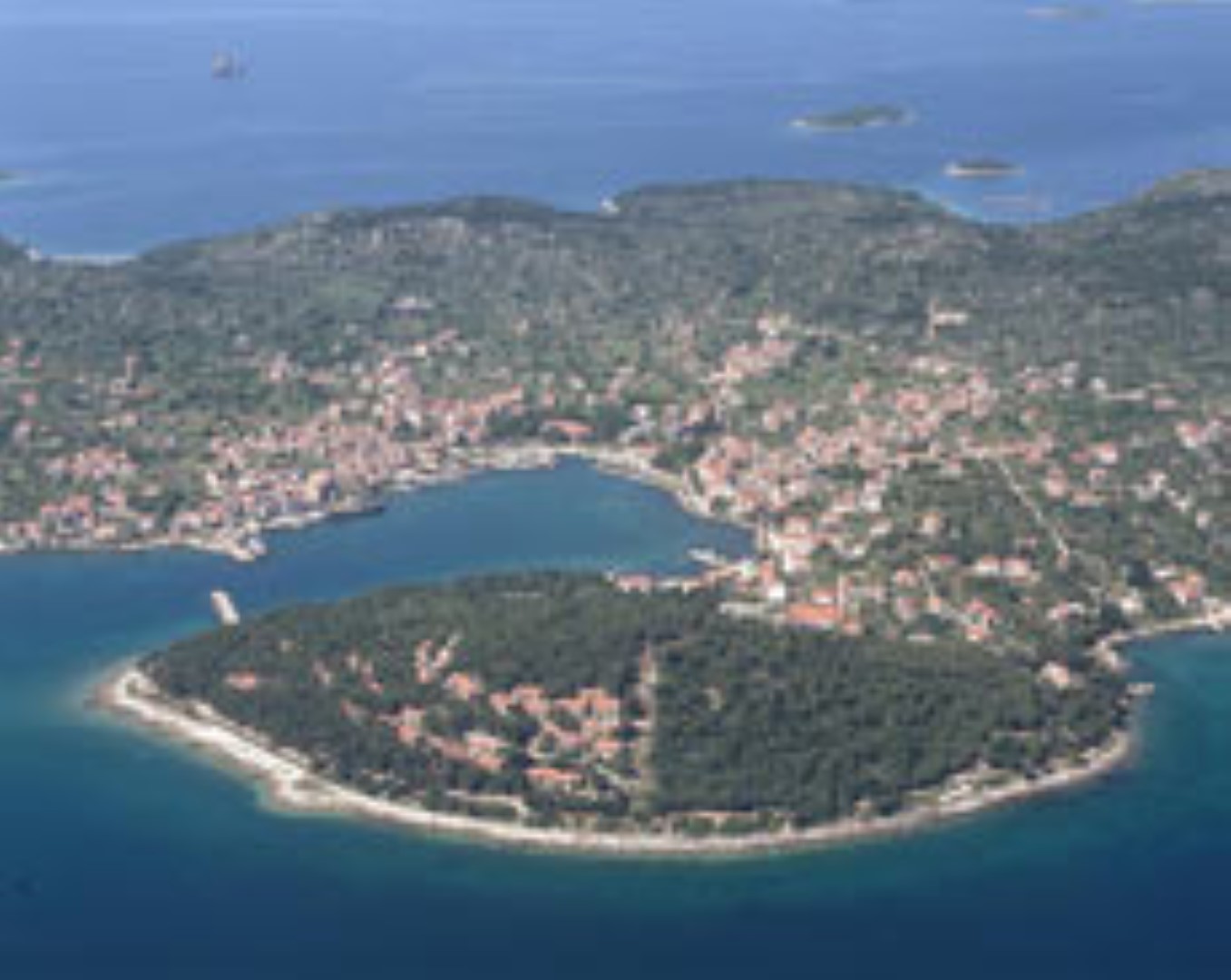

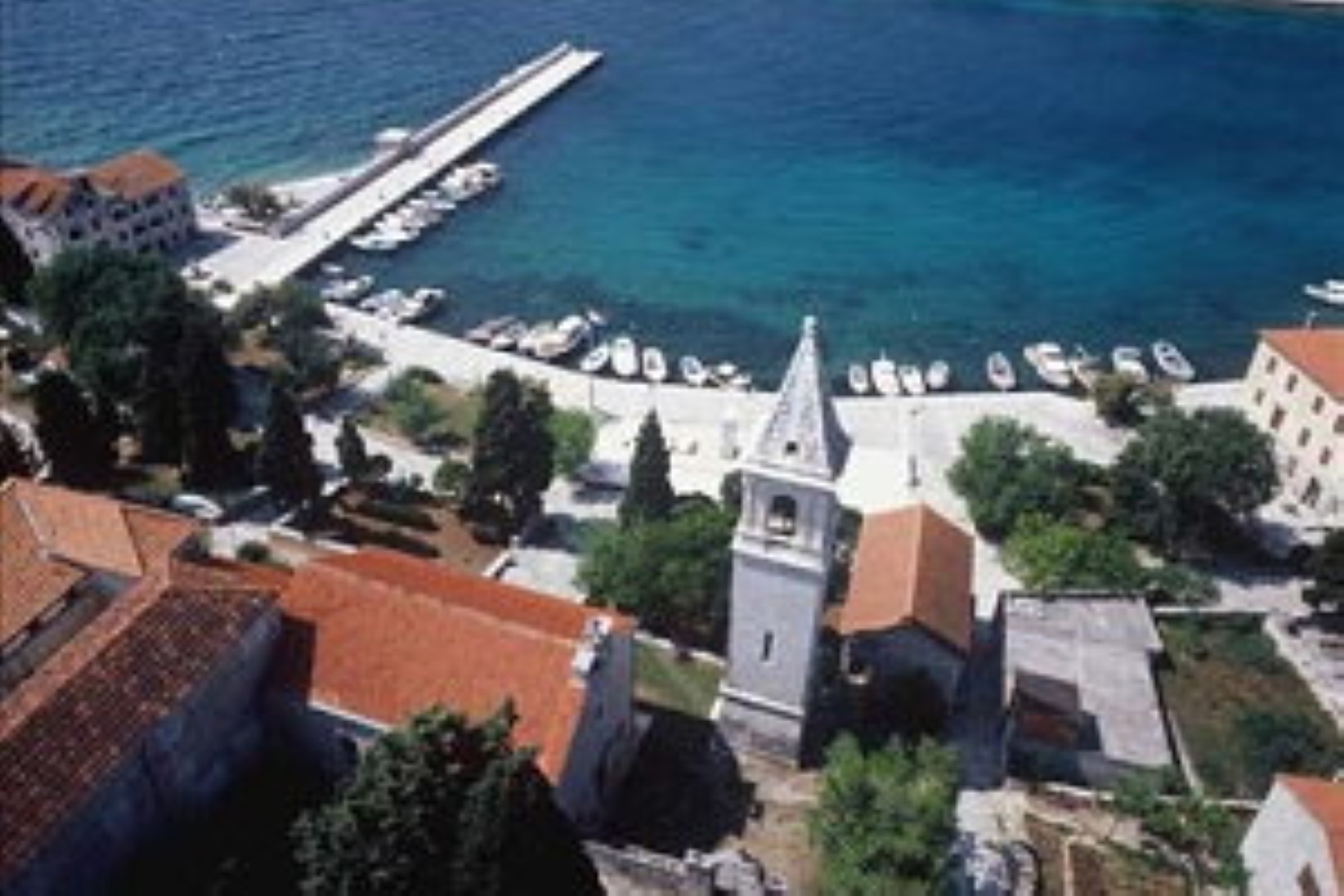

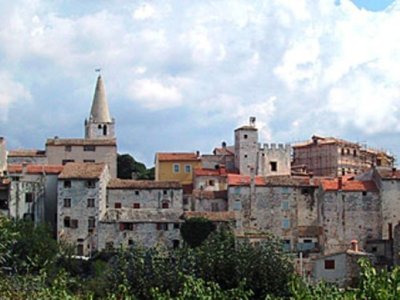
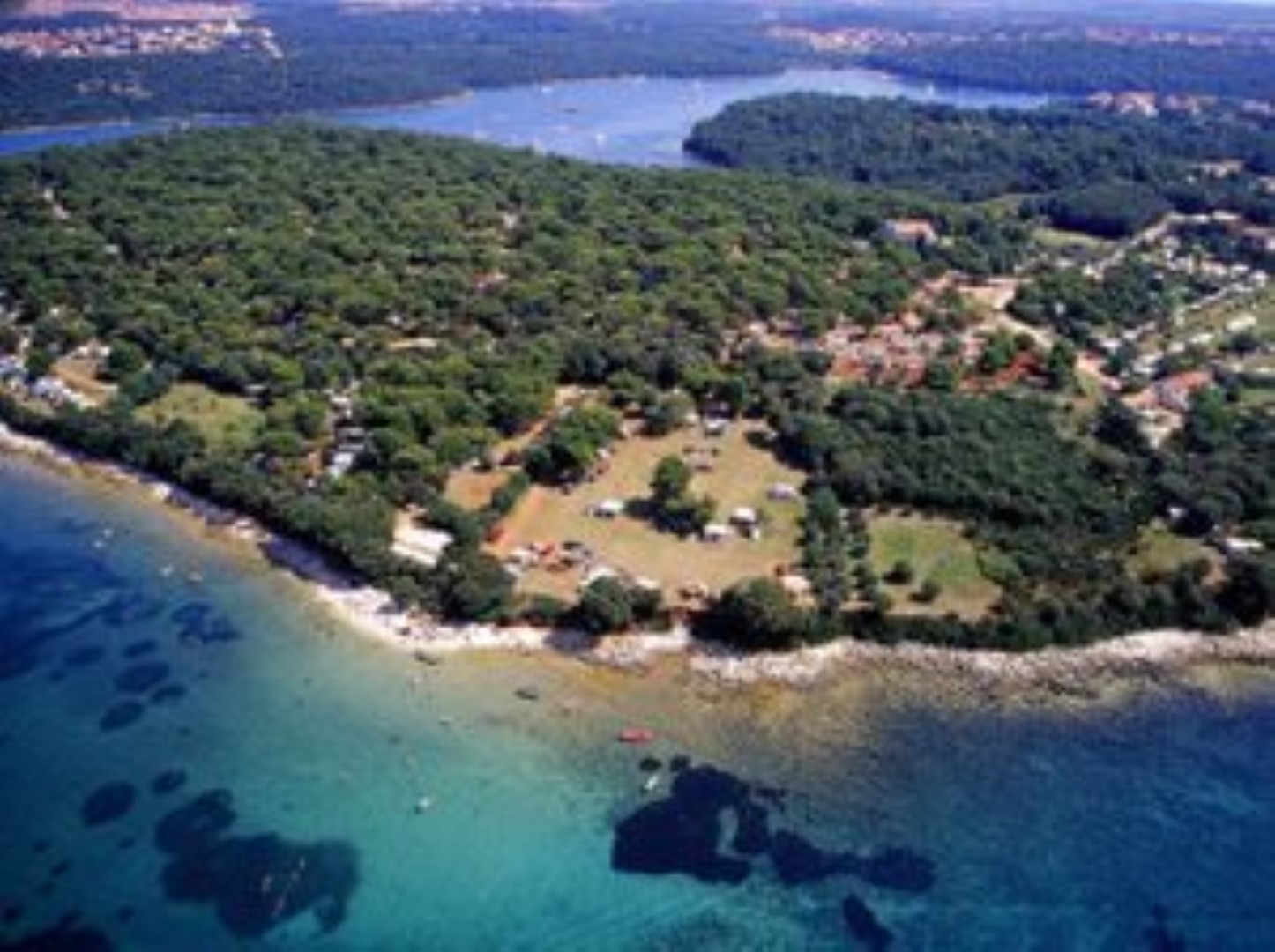
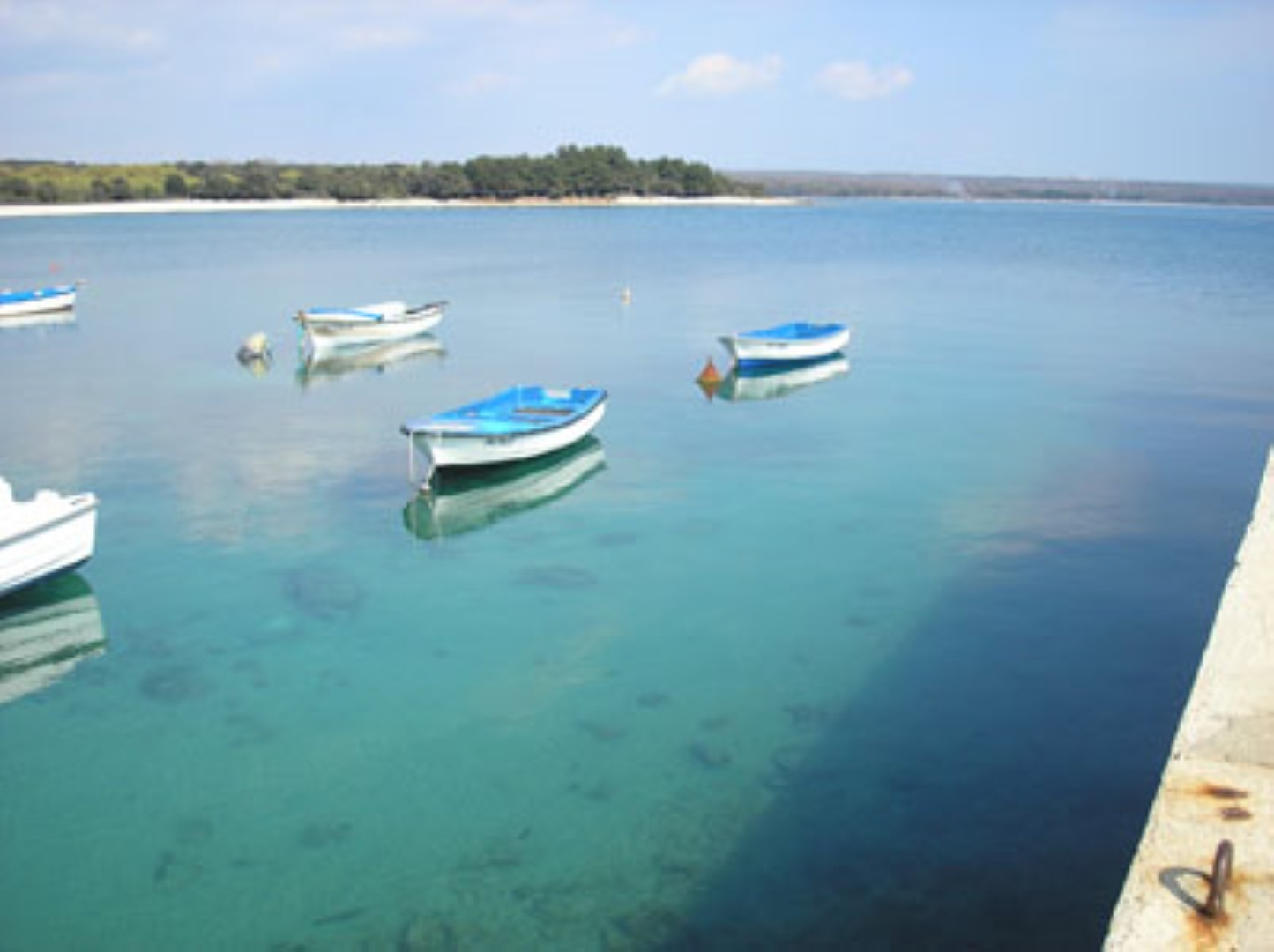
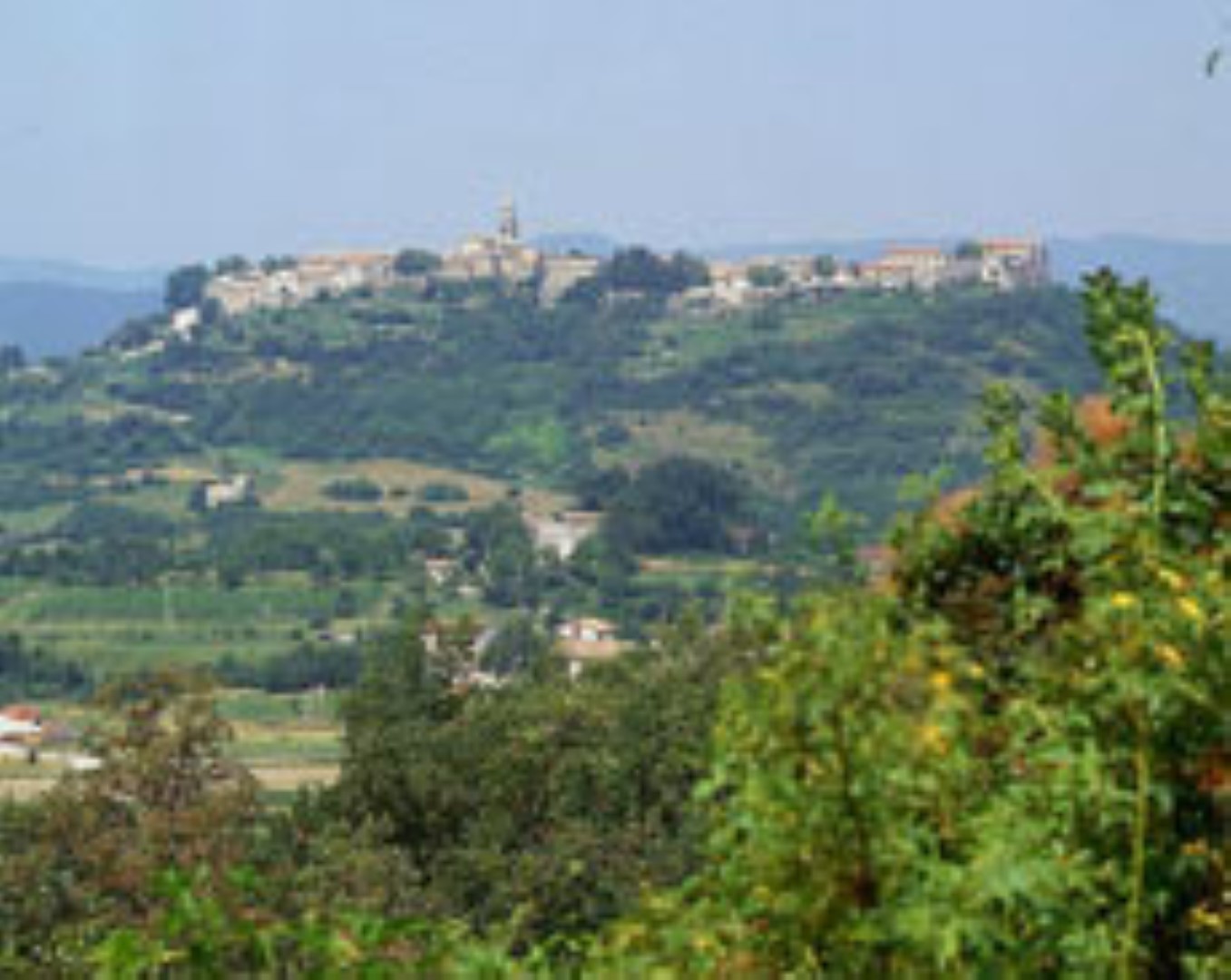
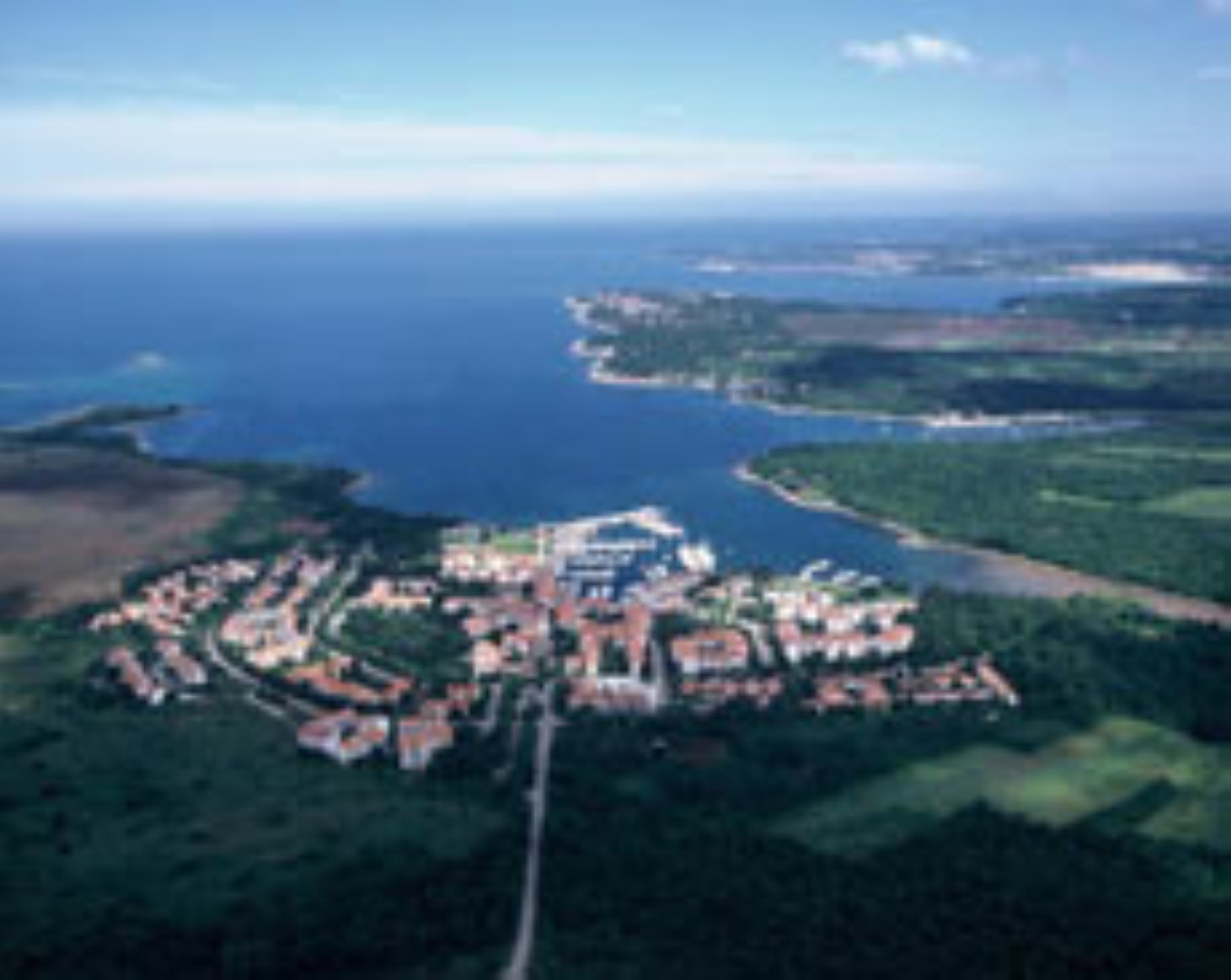
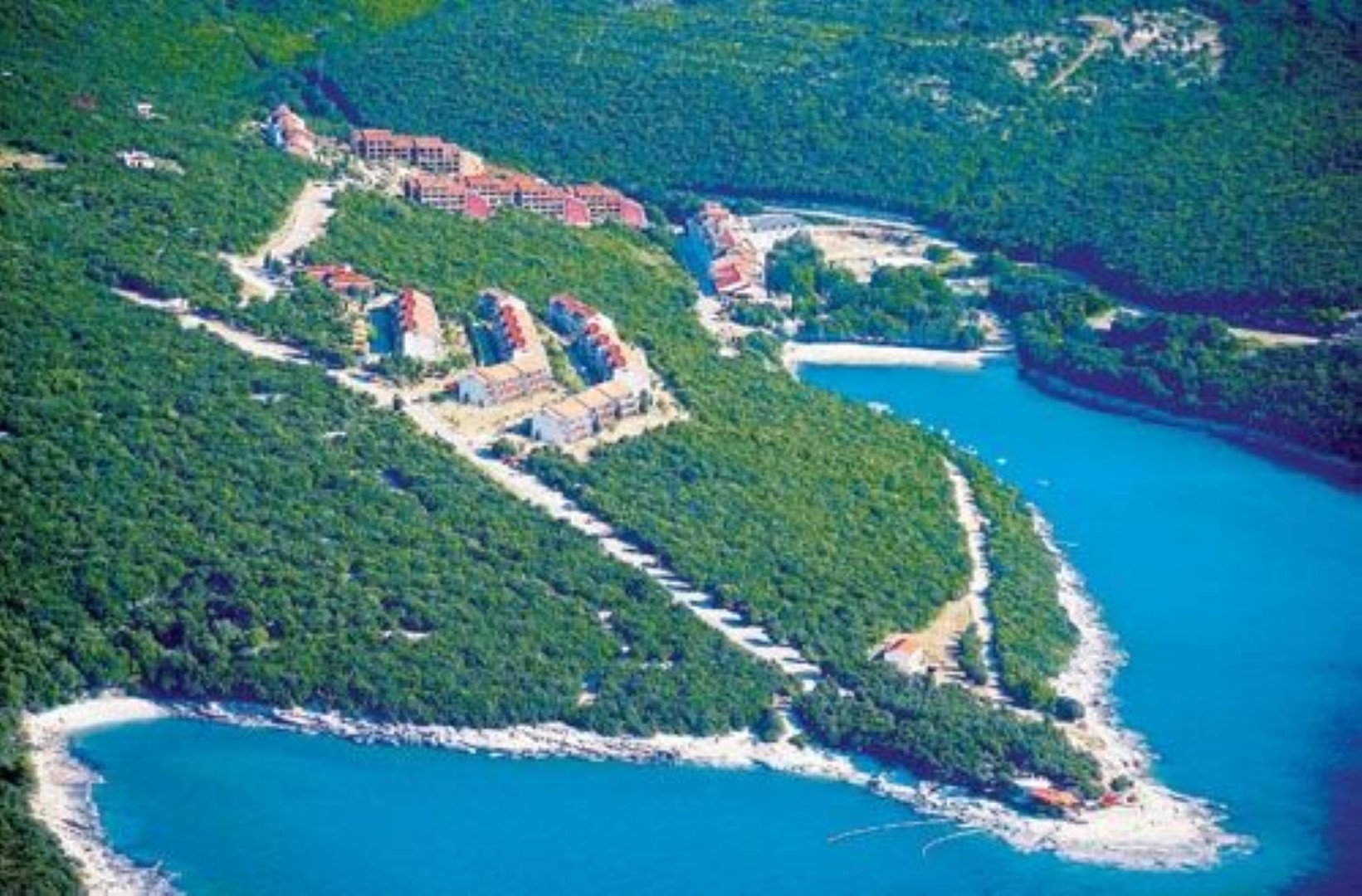
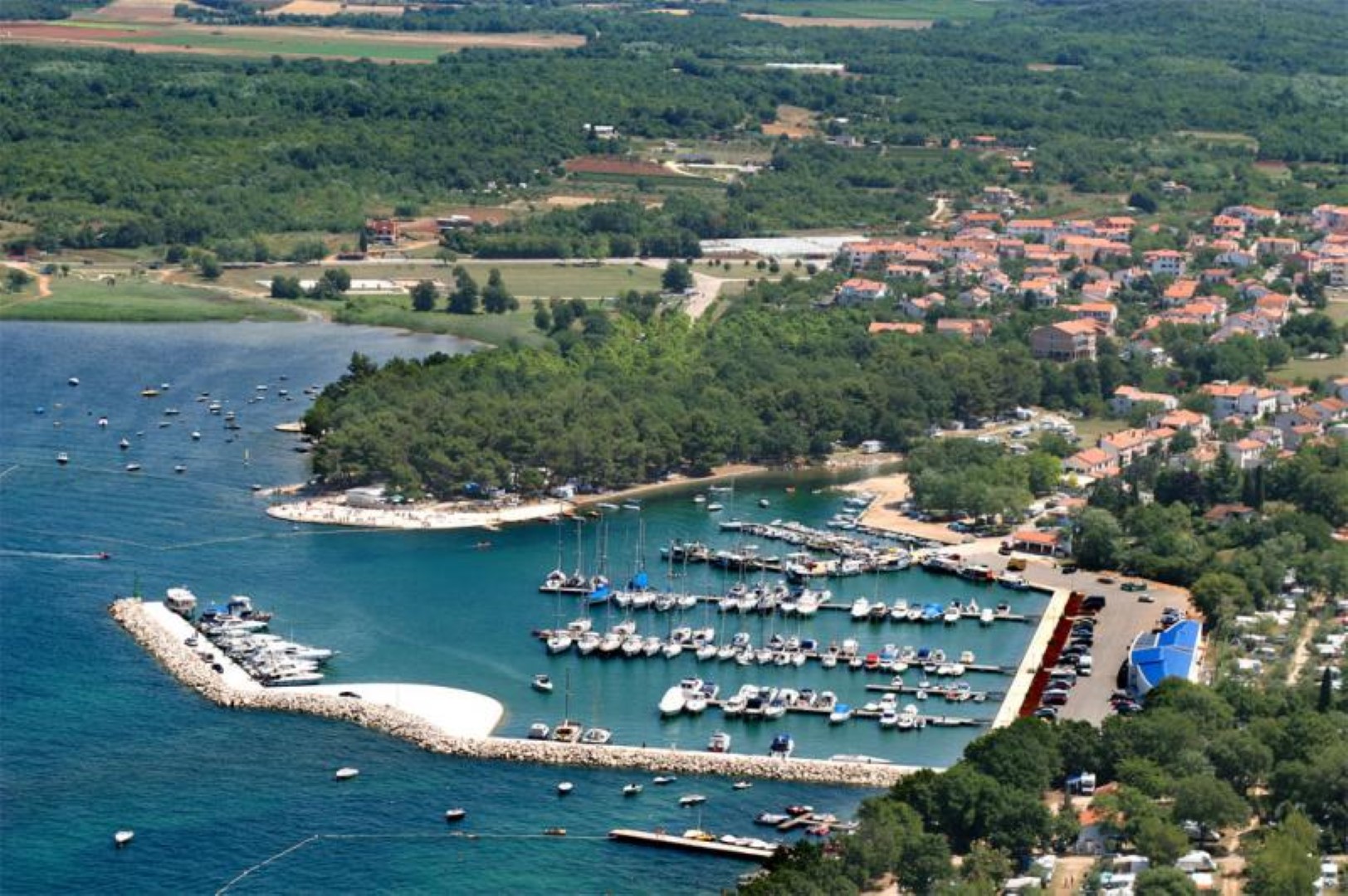
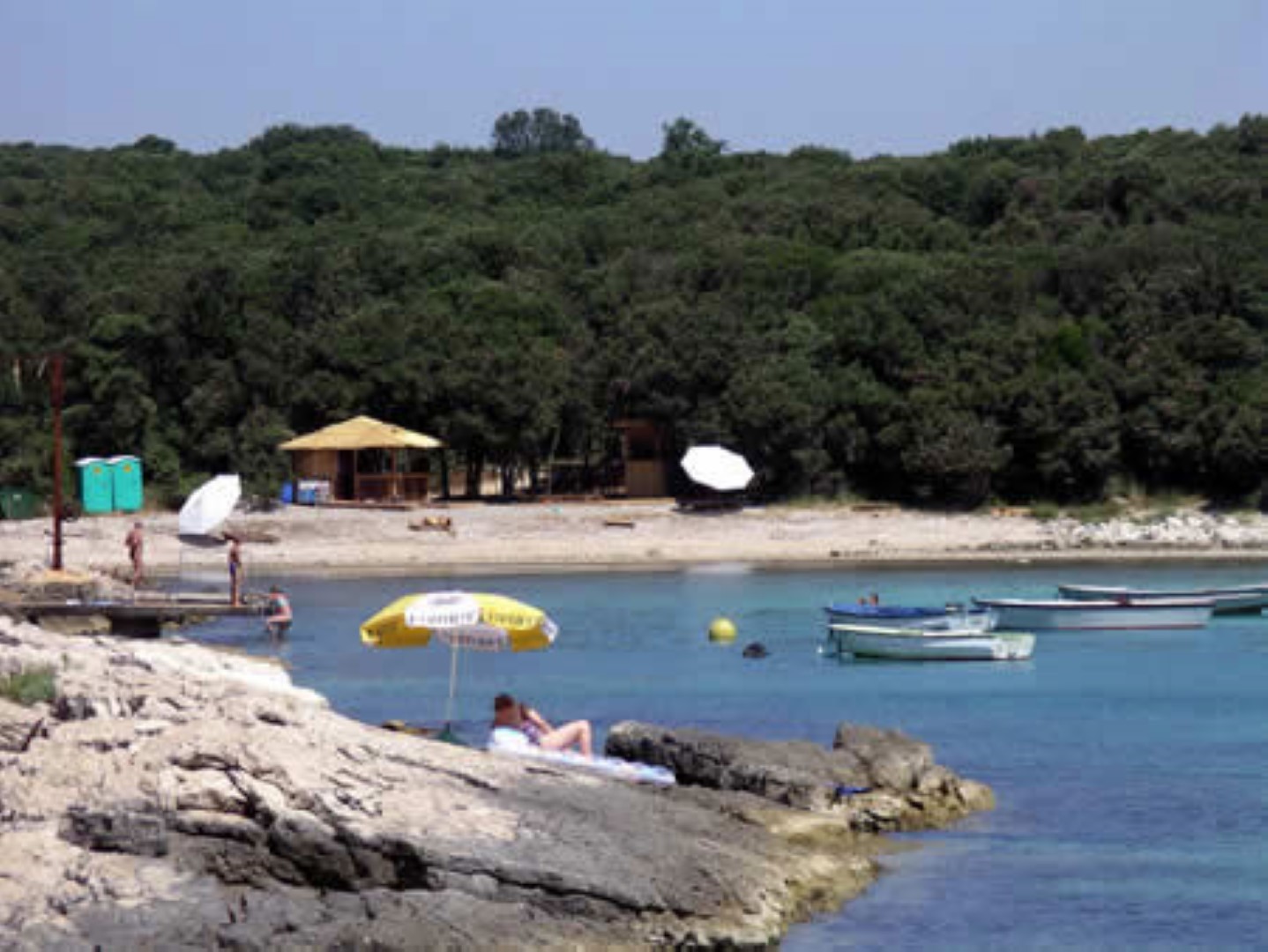
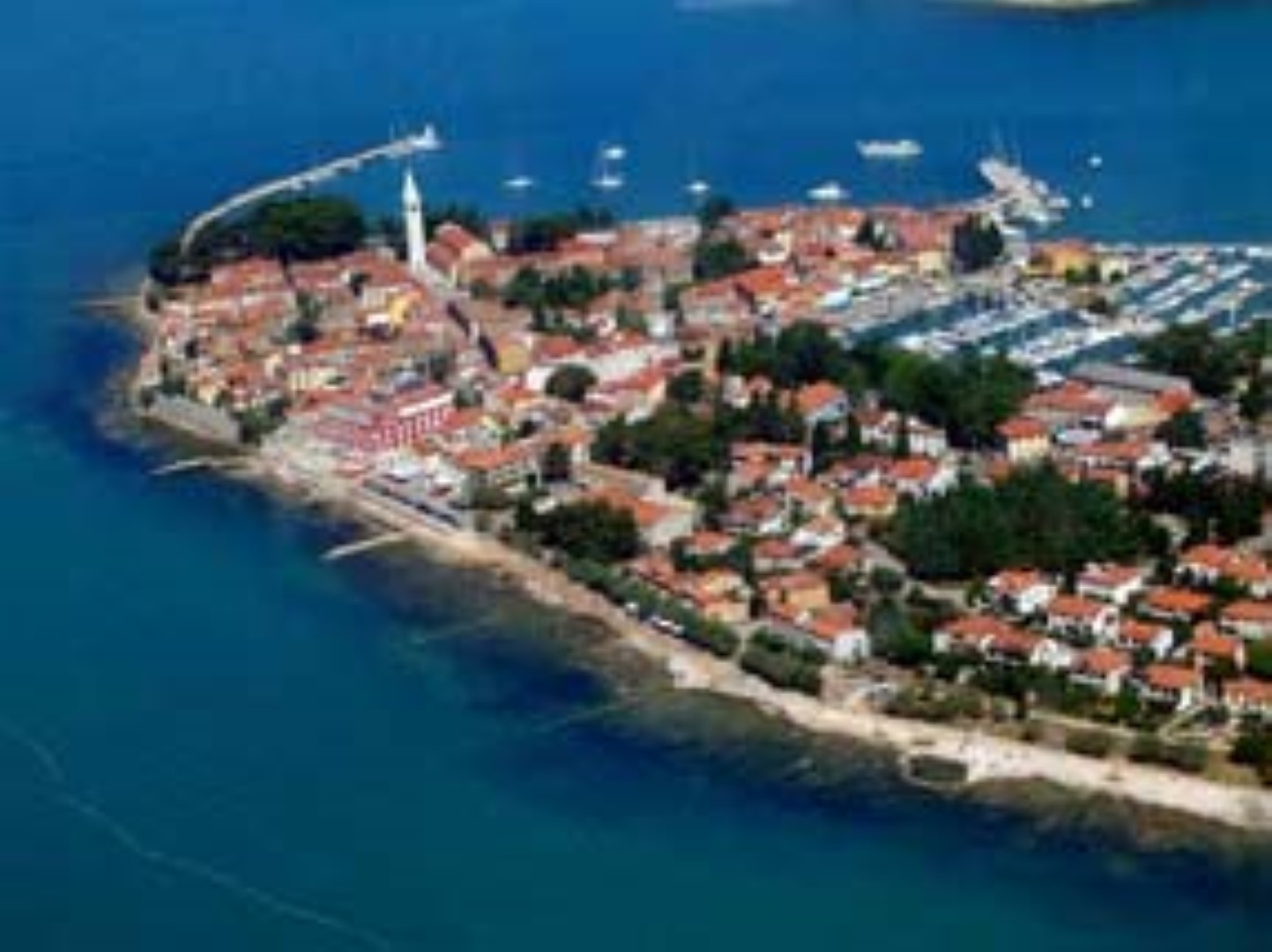
Accommodation in rustic Istrian villas in green inland or short term apartment on the blue coast. This Croatian region will left you without breath for sure. Take a peek at our offer of accommodation in Istria and find yourself a perfect deal.

.jpg)
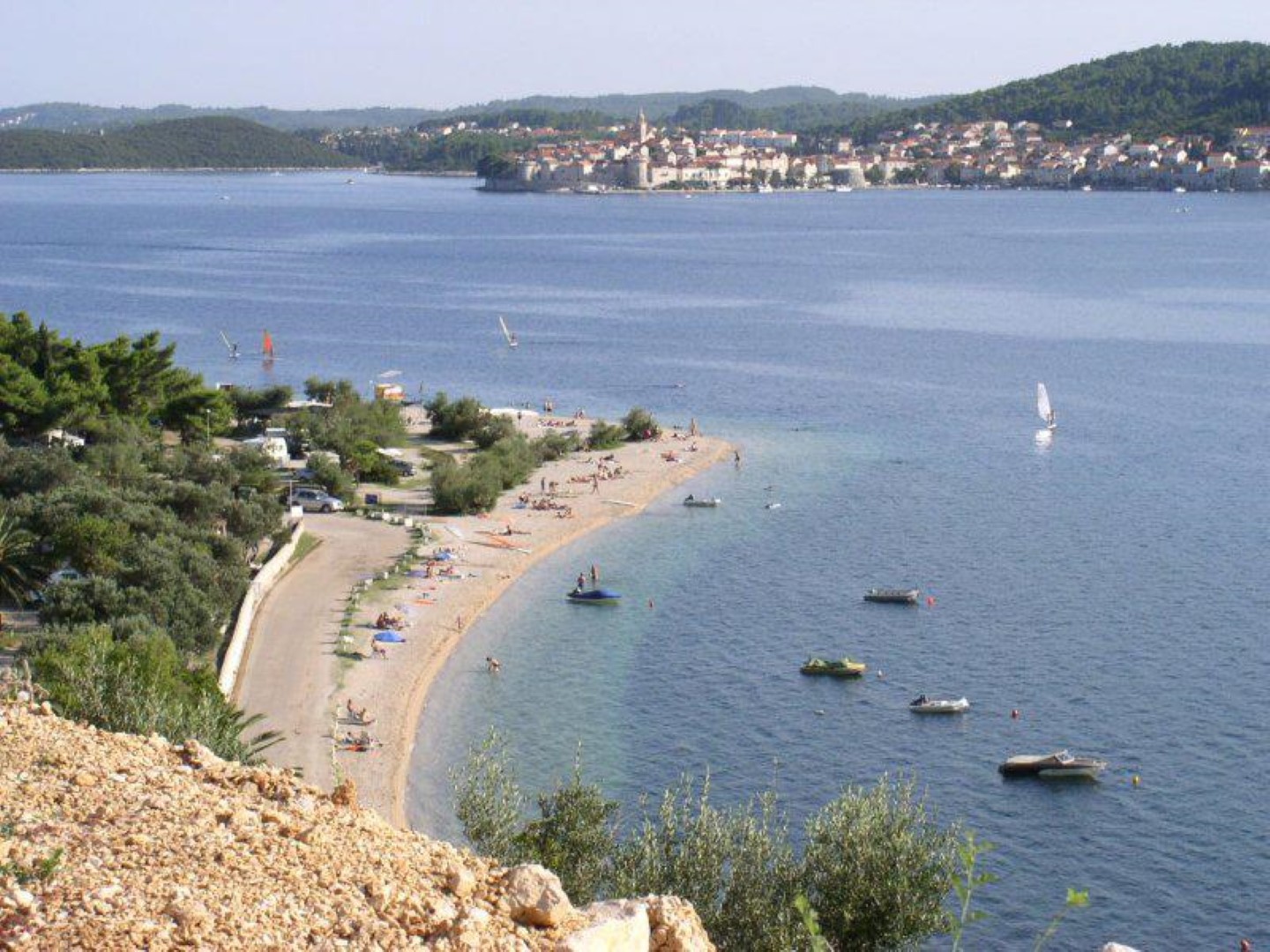
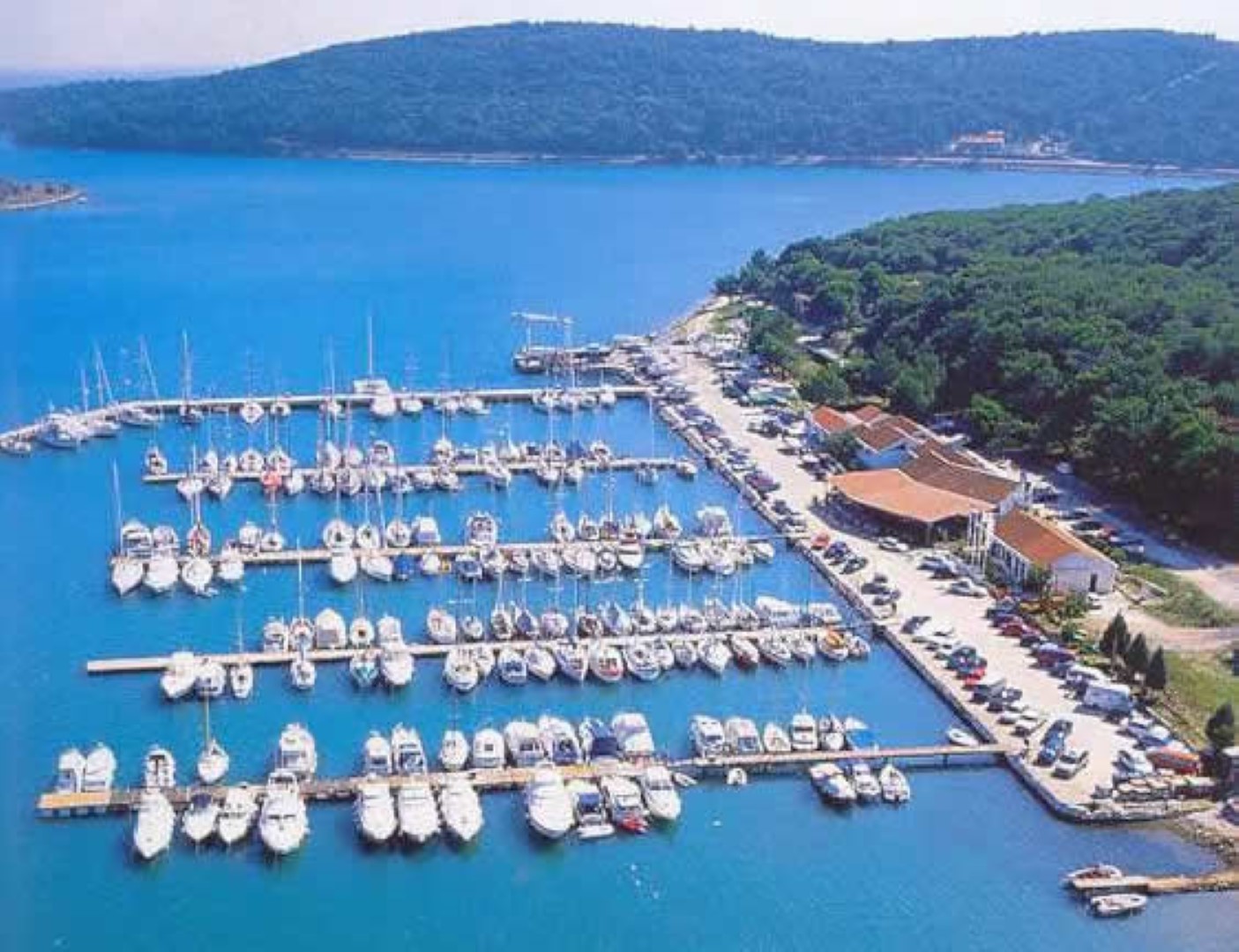
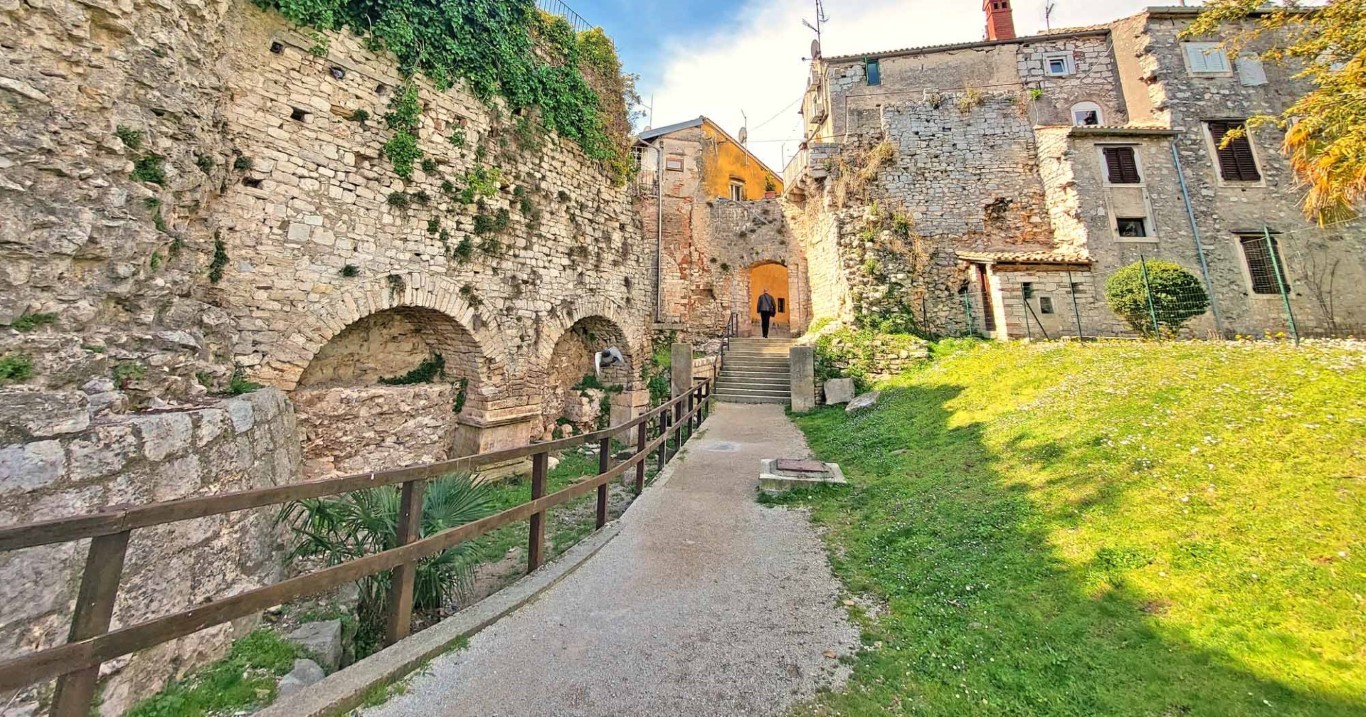
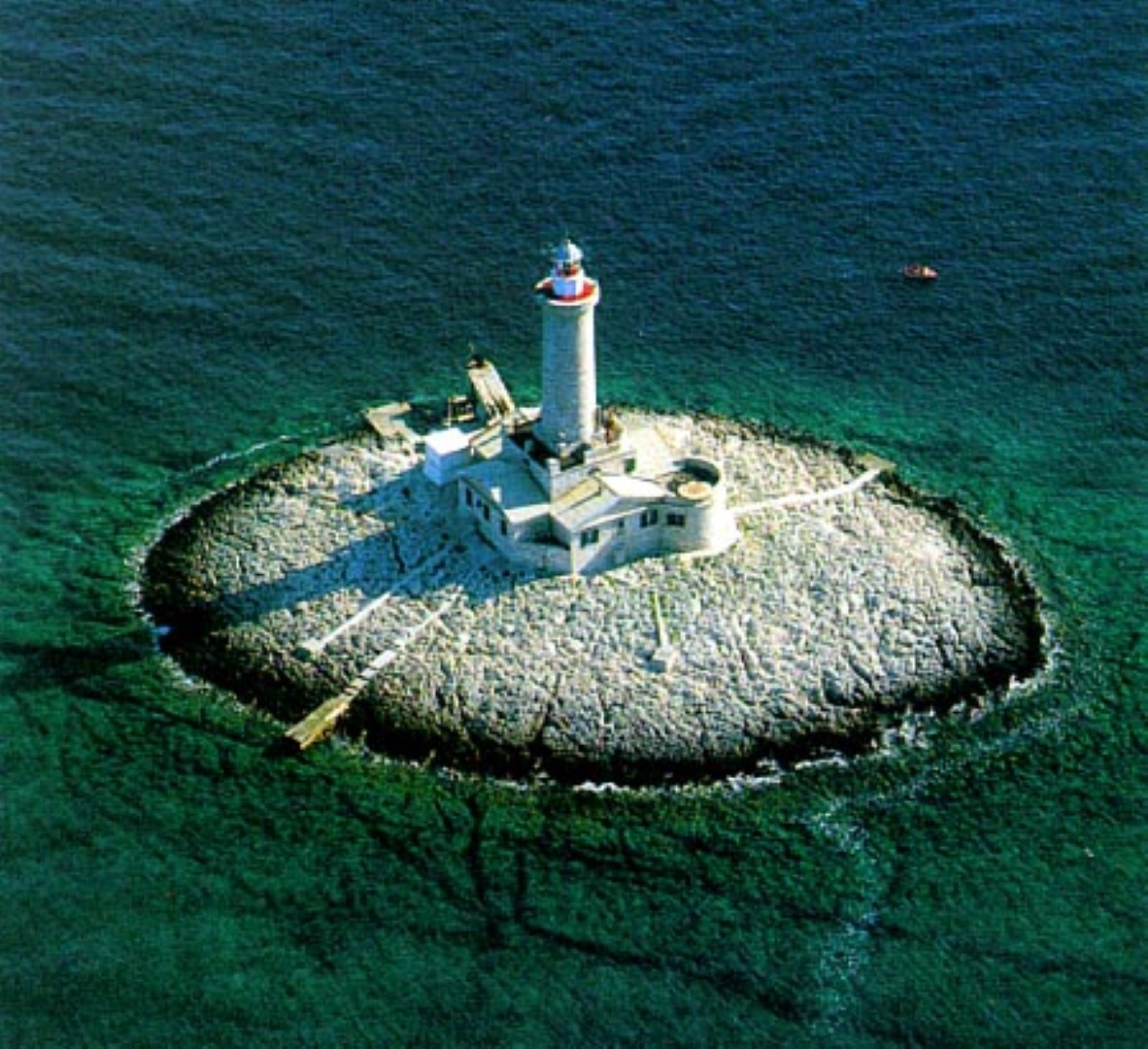
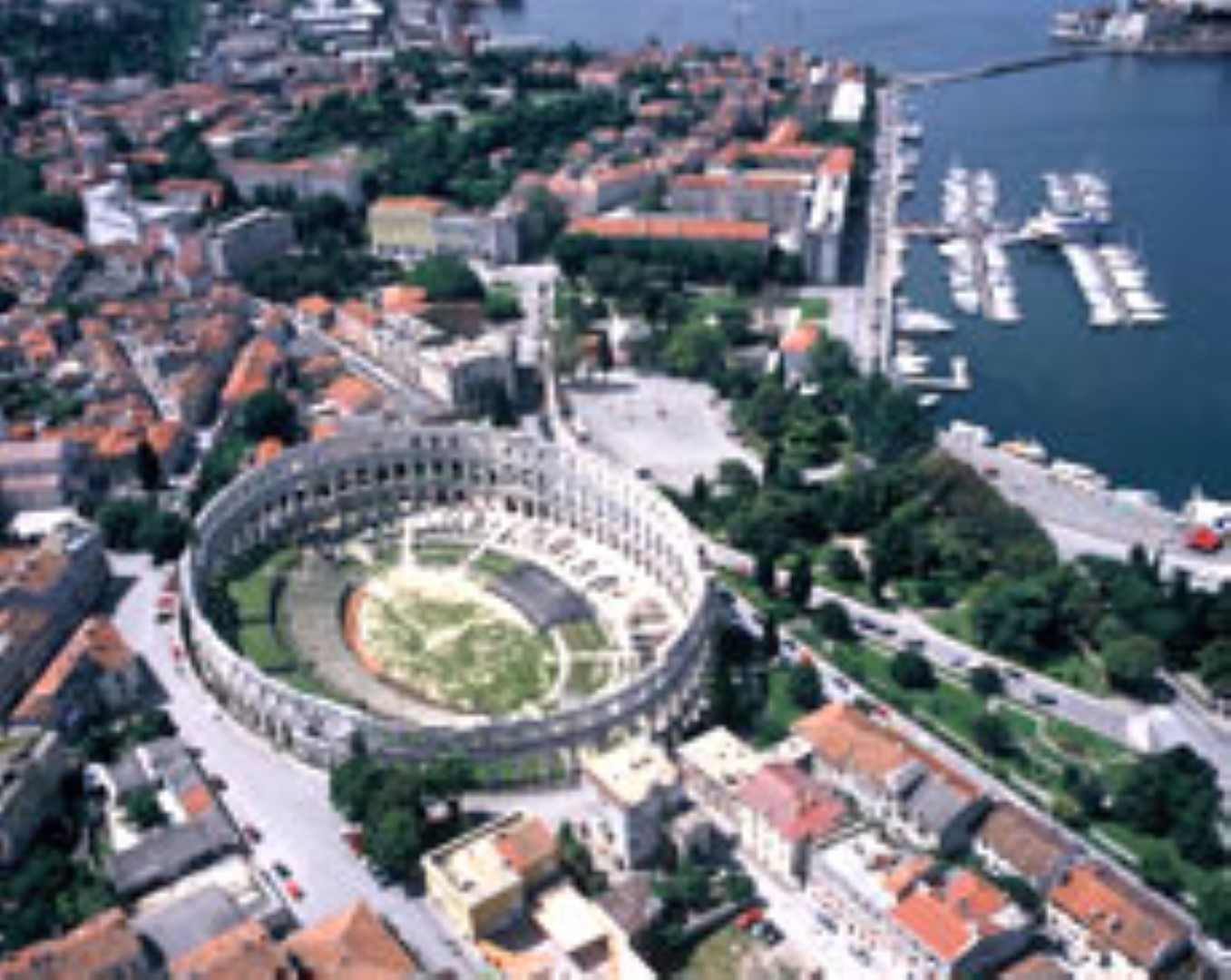
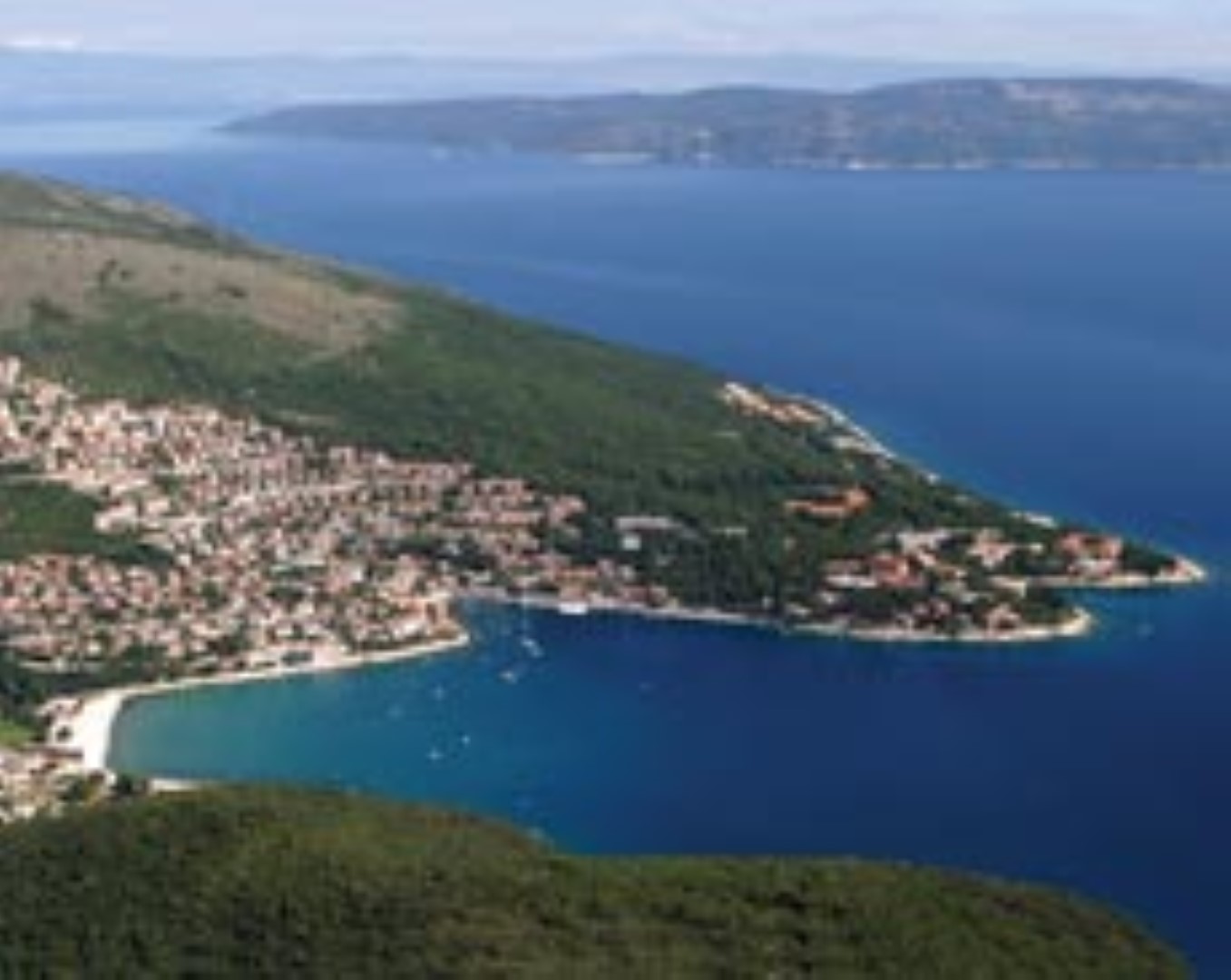
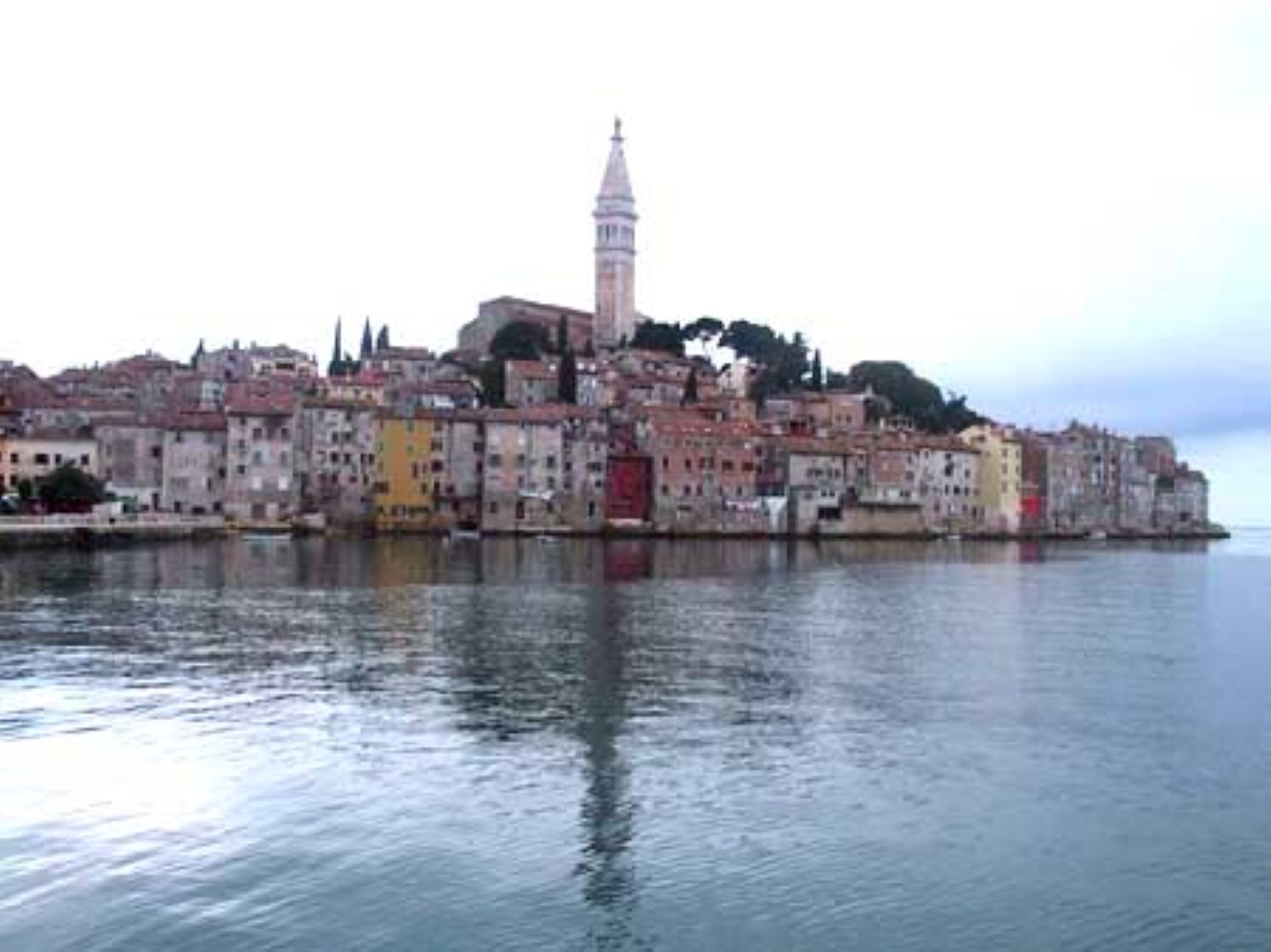
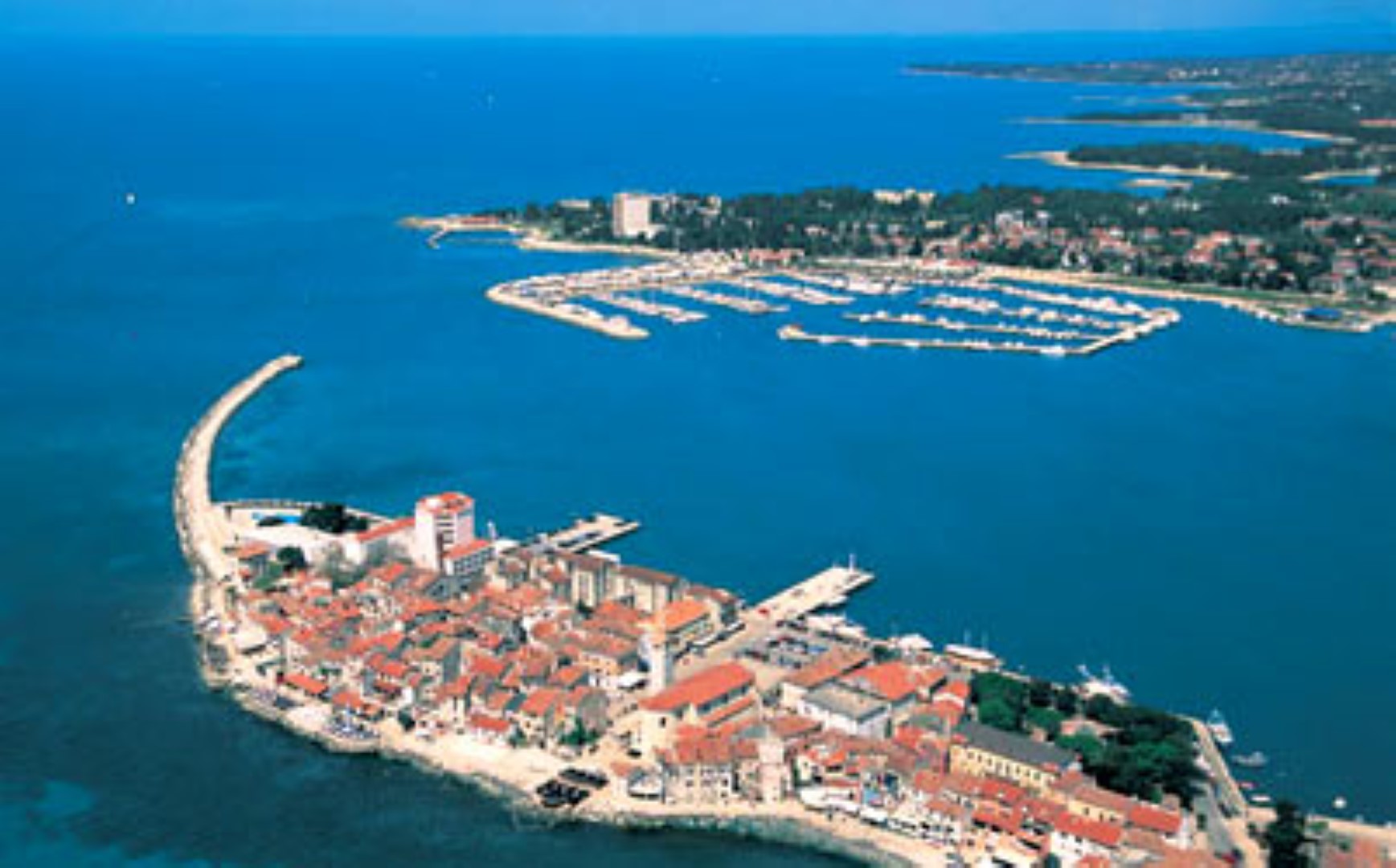
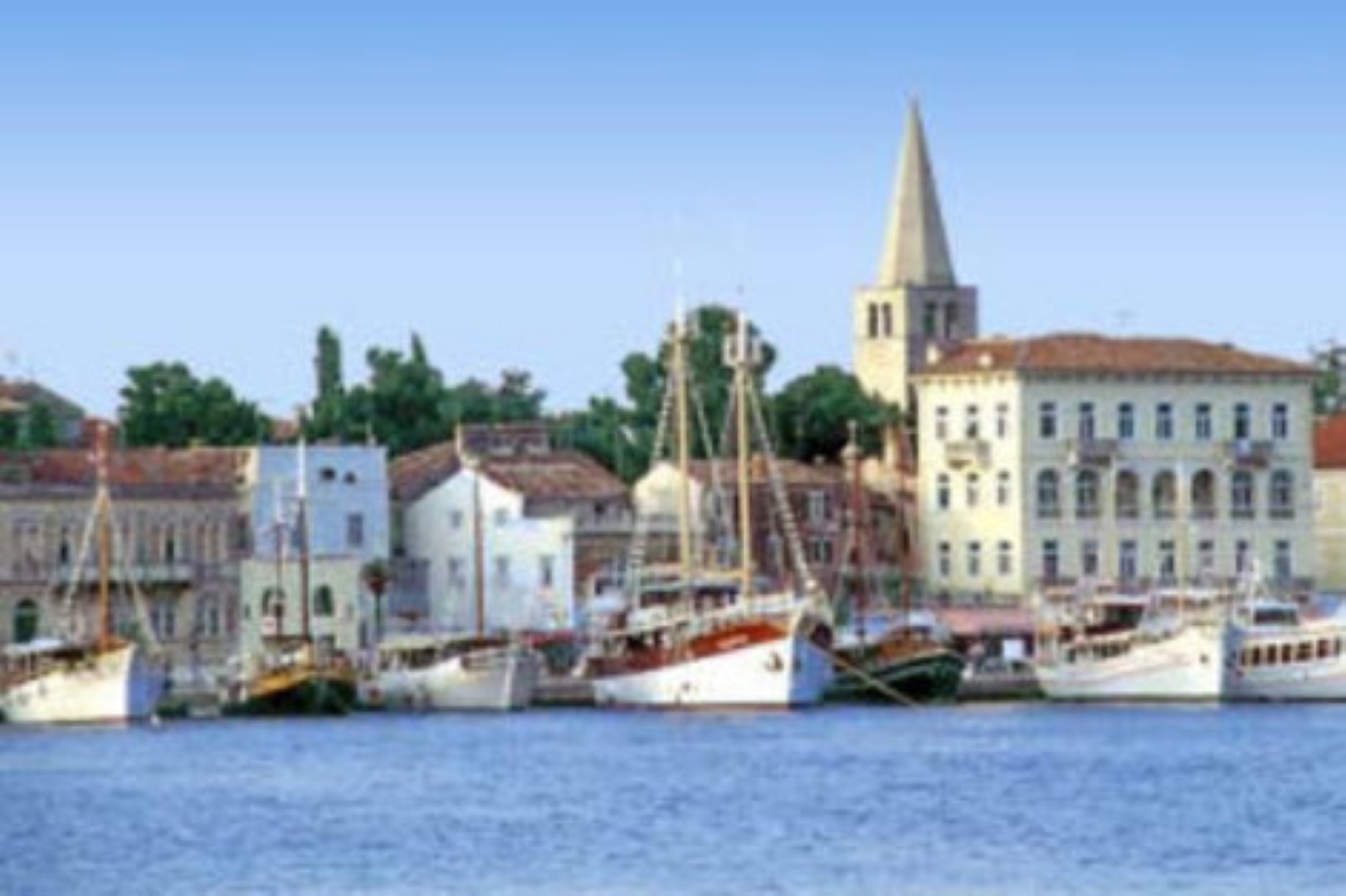
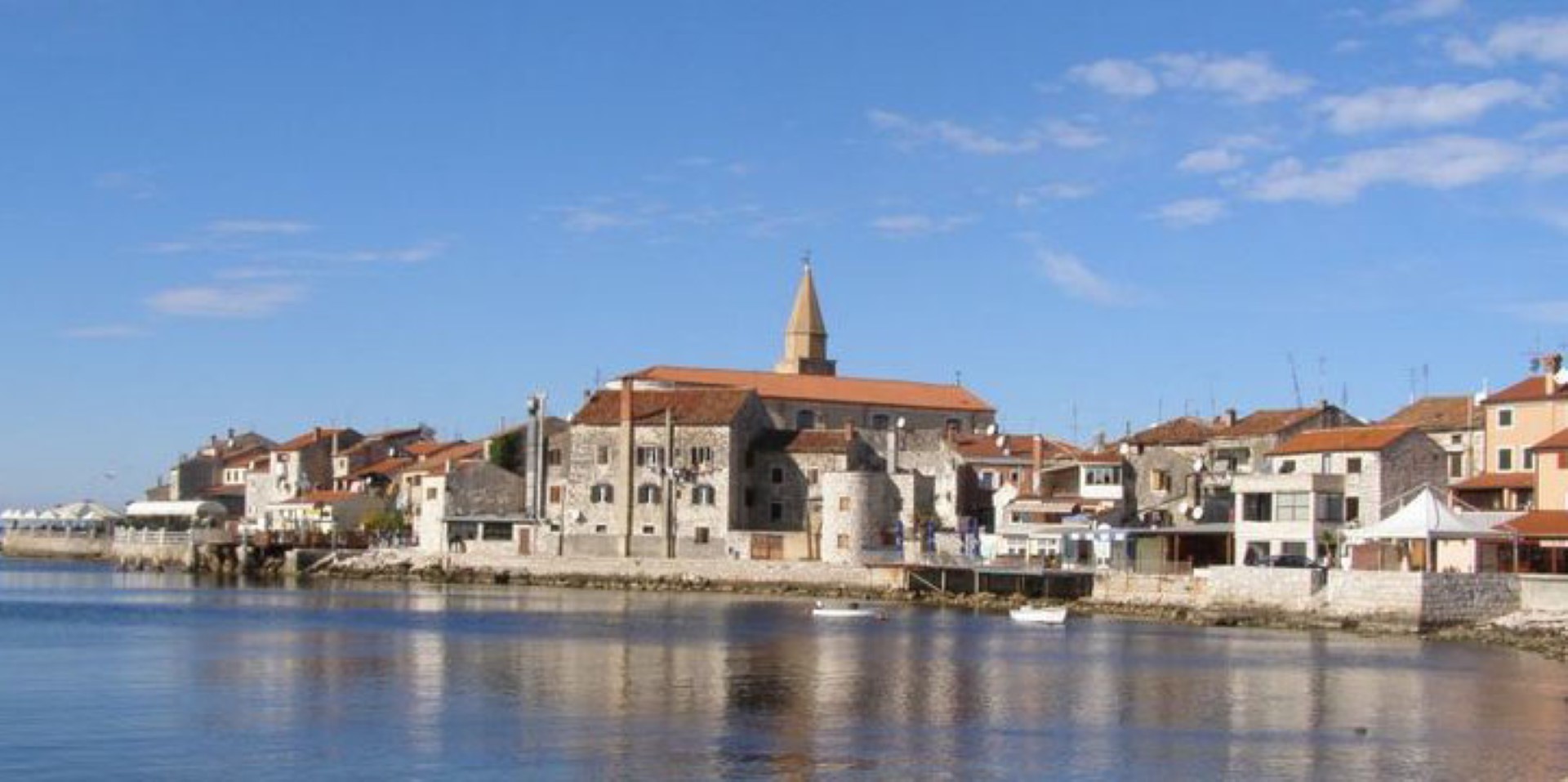
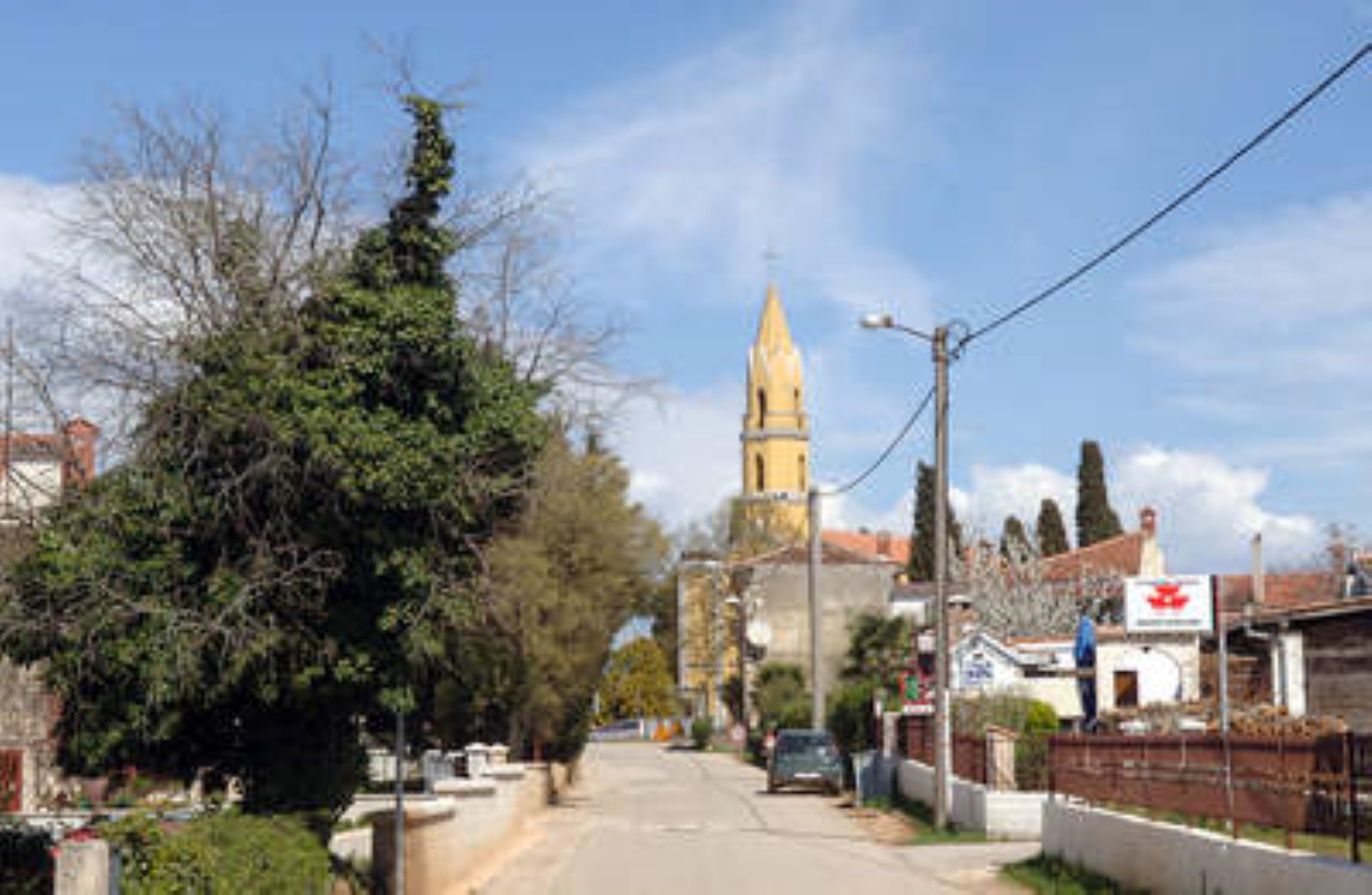
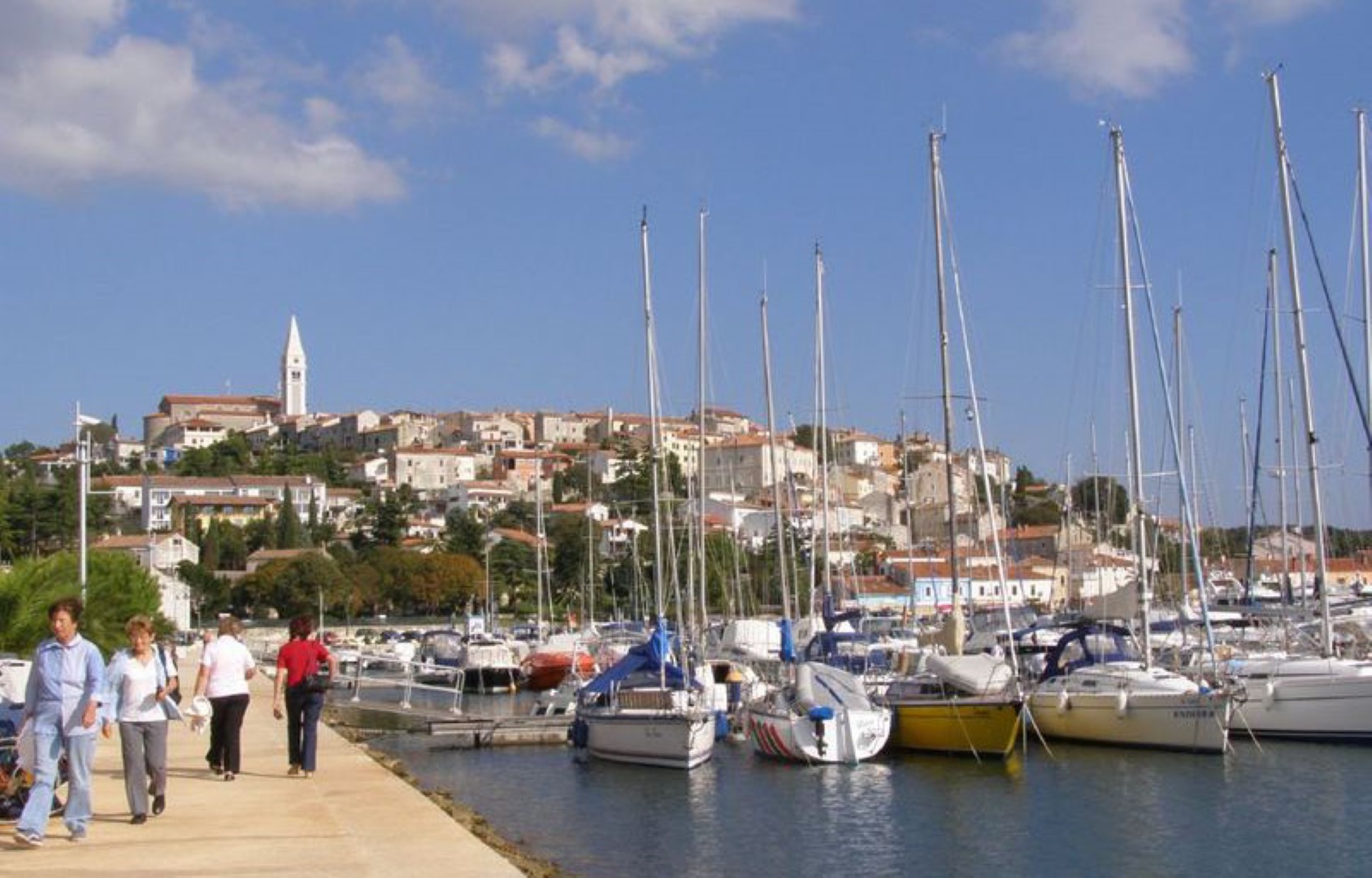
This Croatian region of variety and contrasts, with hundreds years of tourism tradition, invites you to explore its numerous charms and to find private accommodation in Croatia that suits you best.

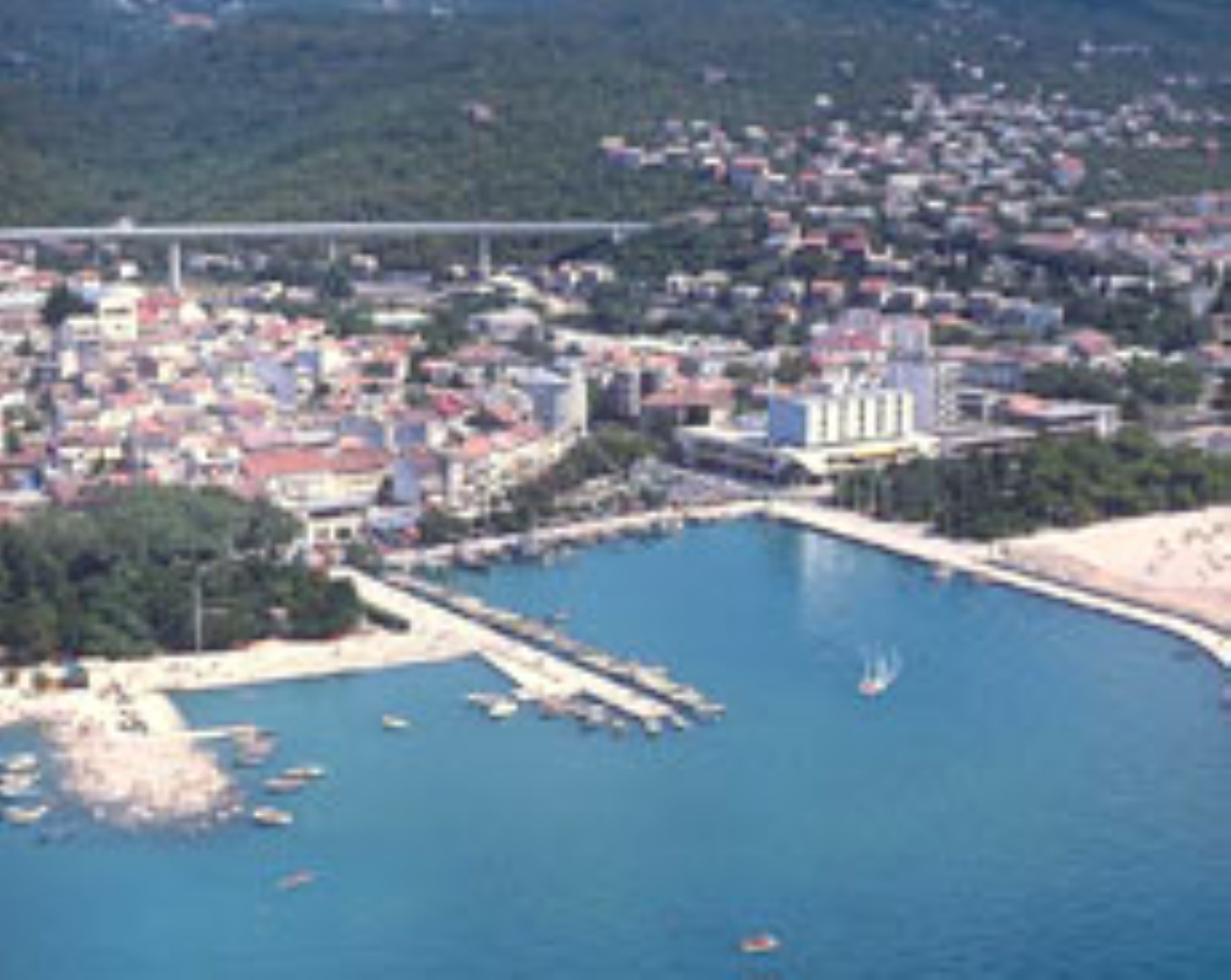
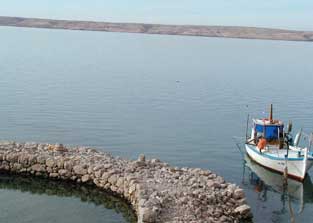
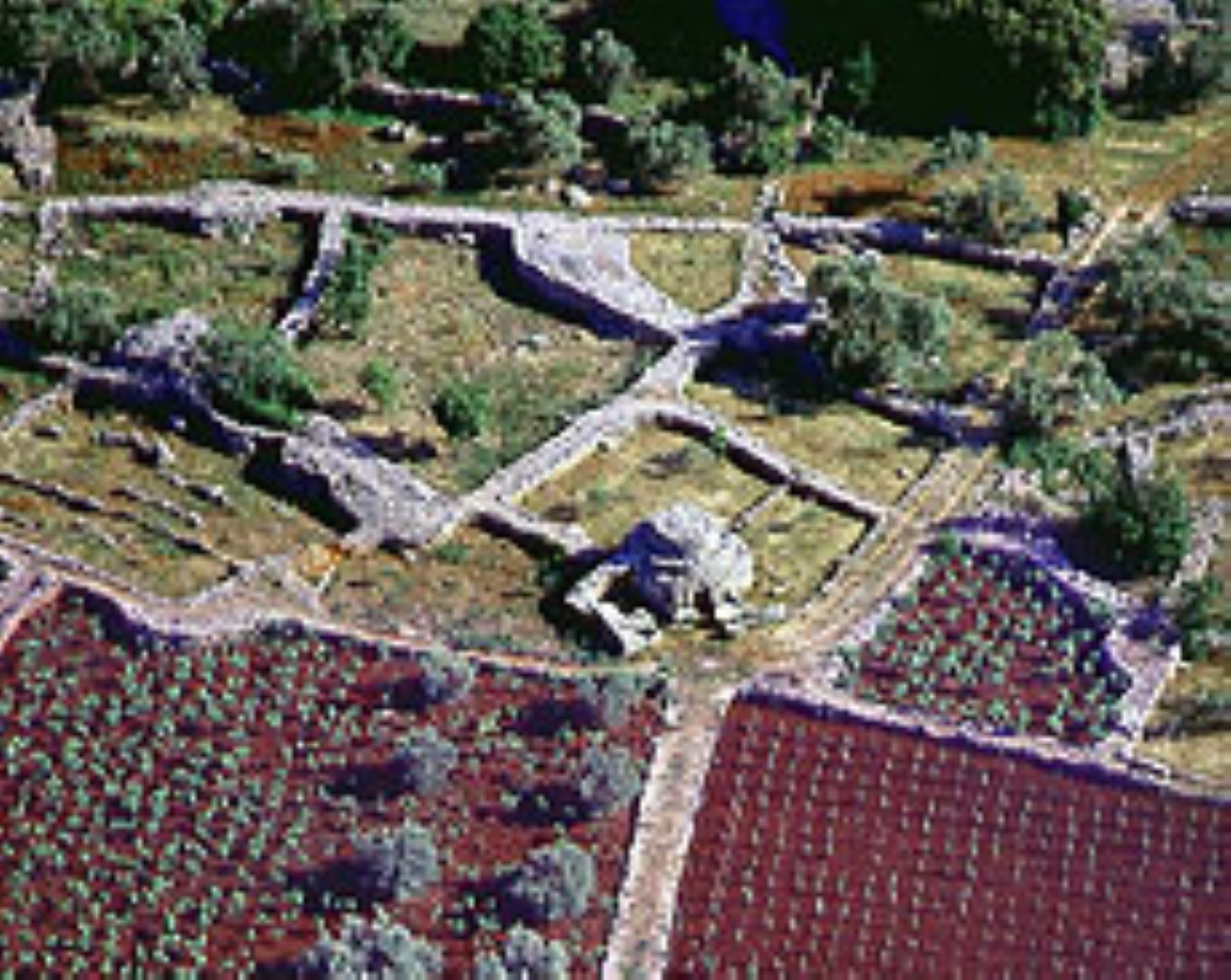
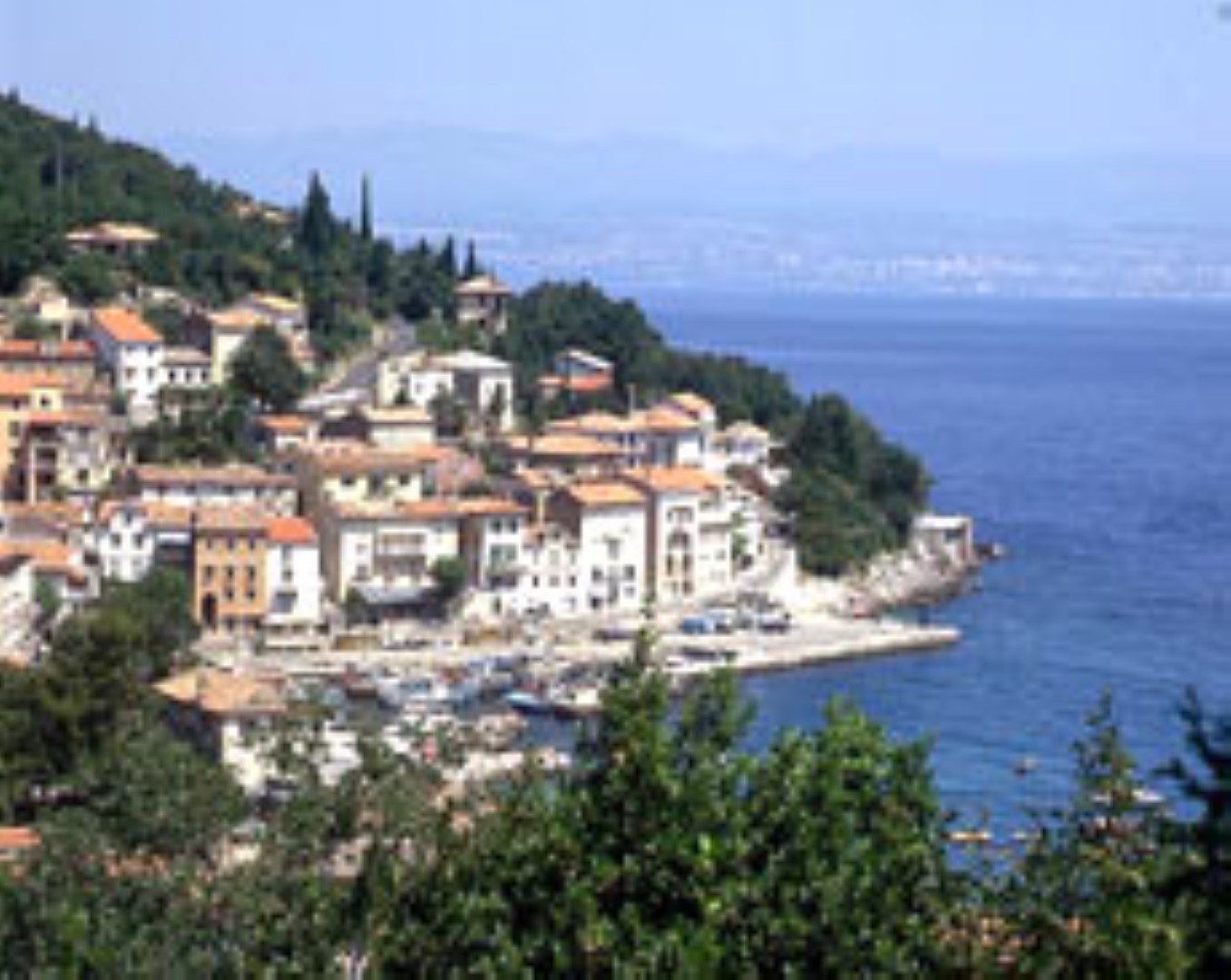

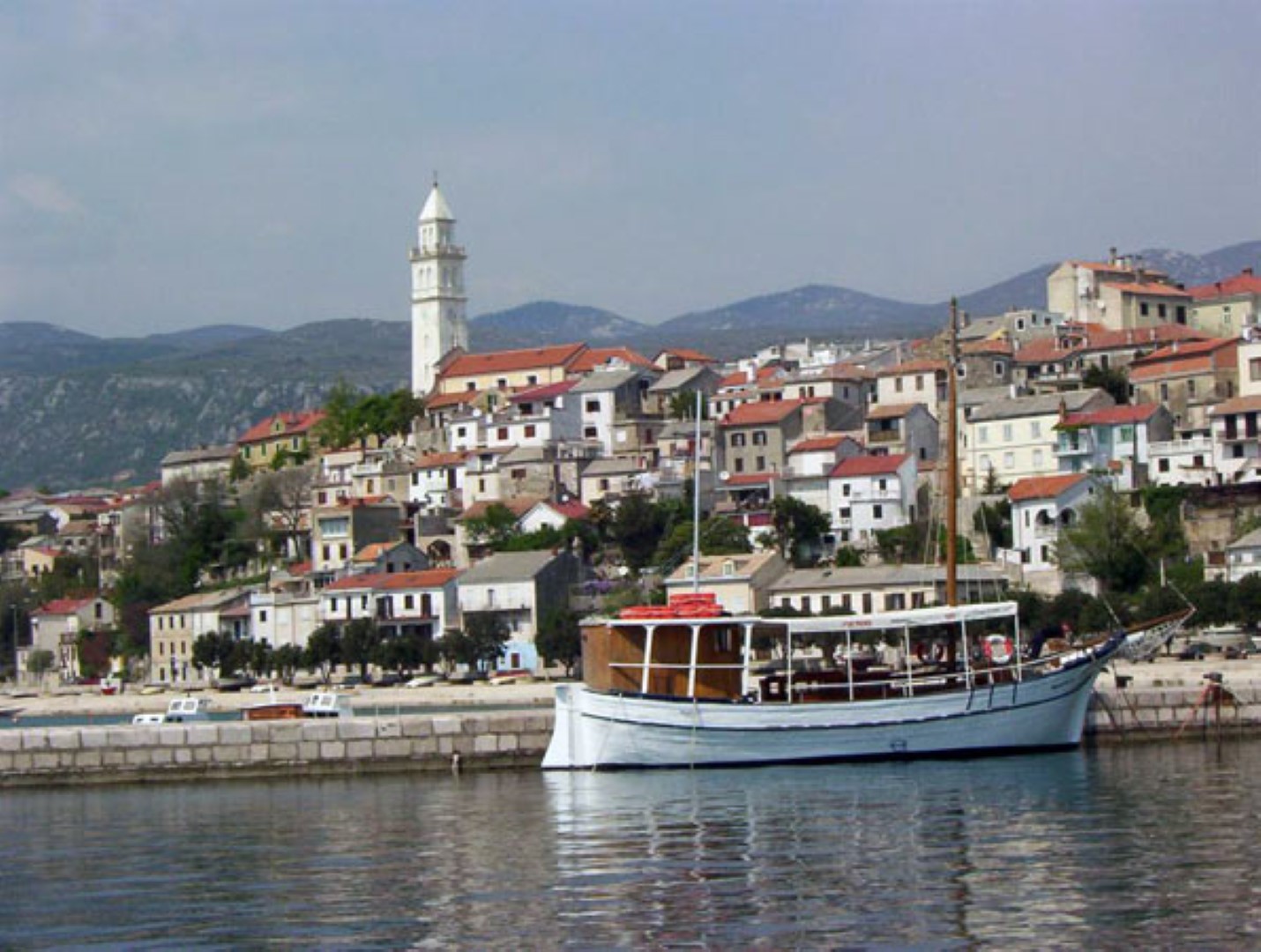
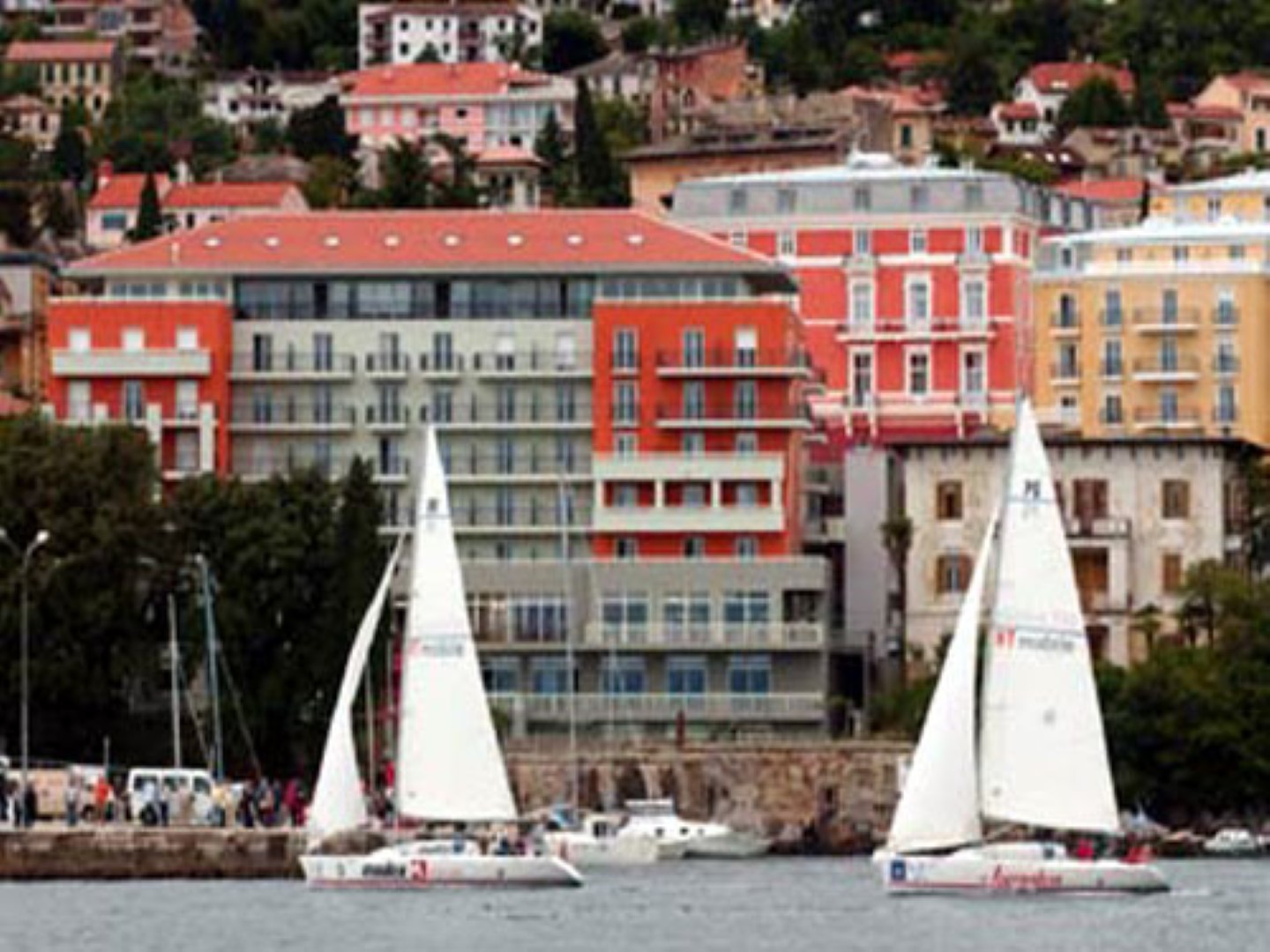
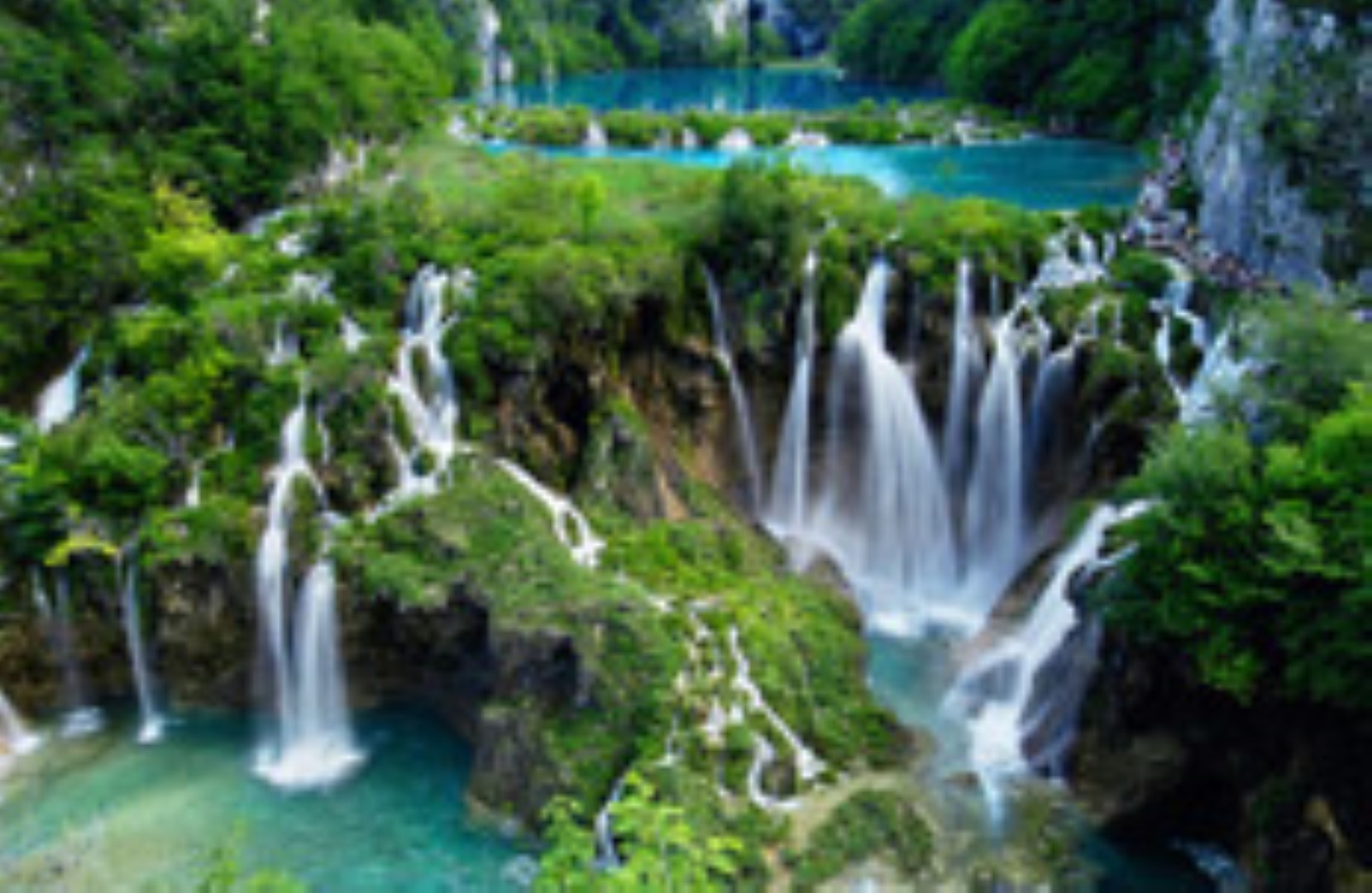
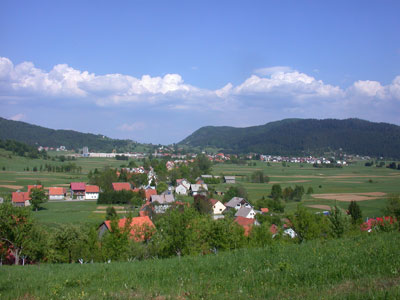
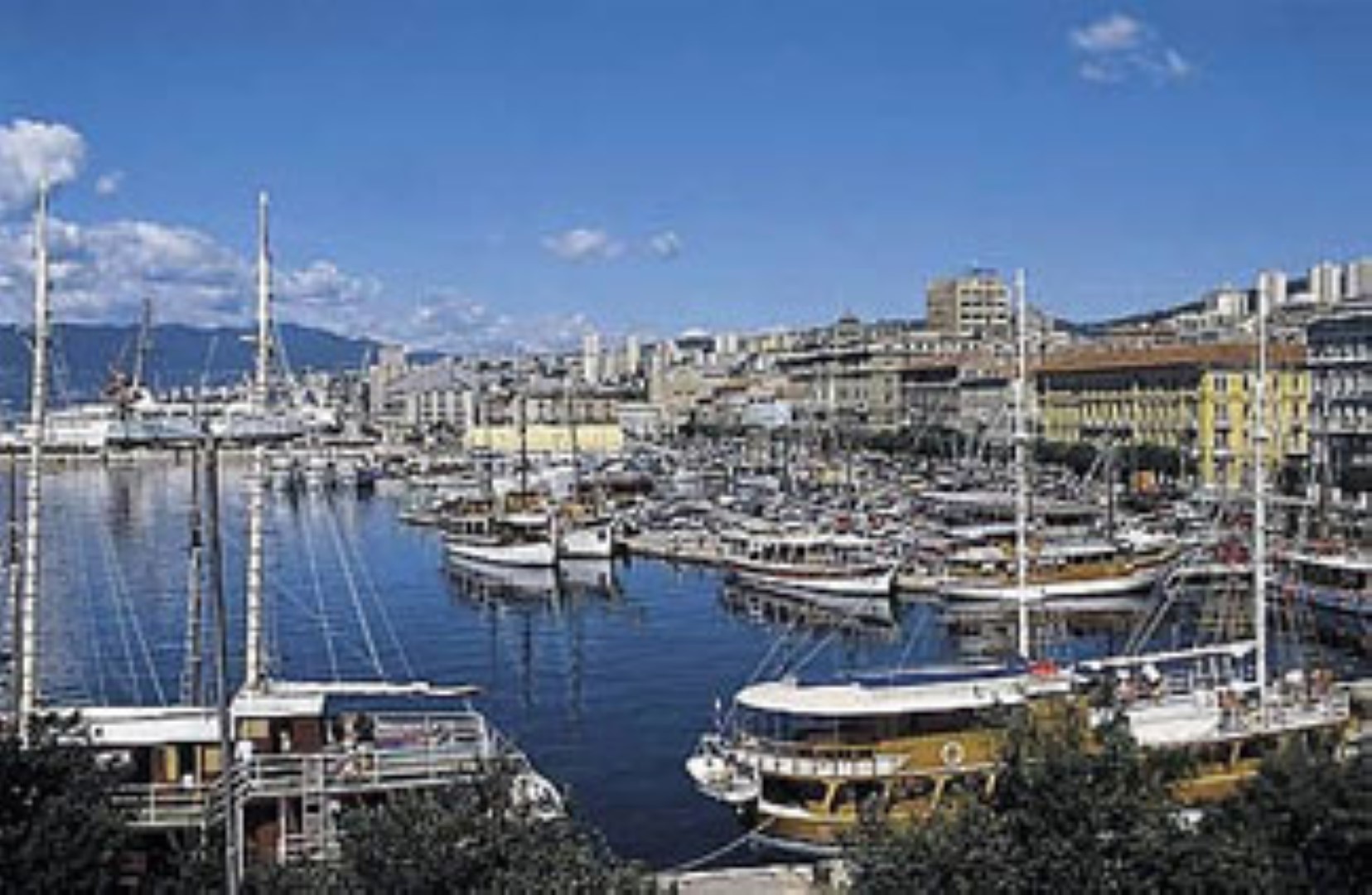
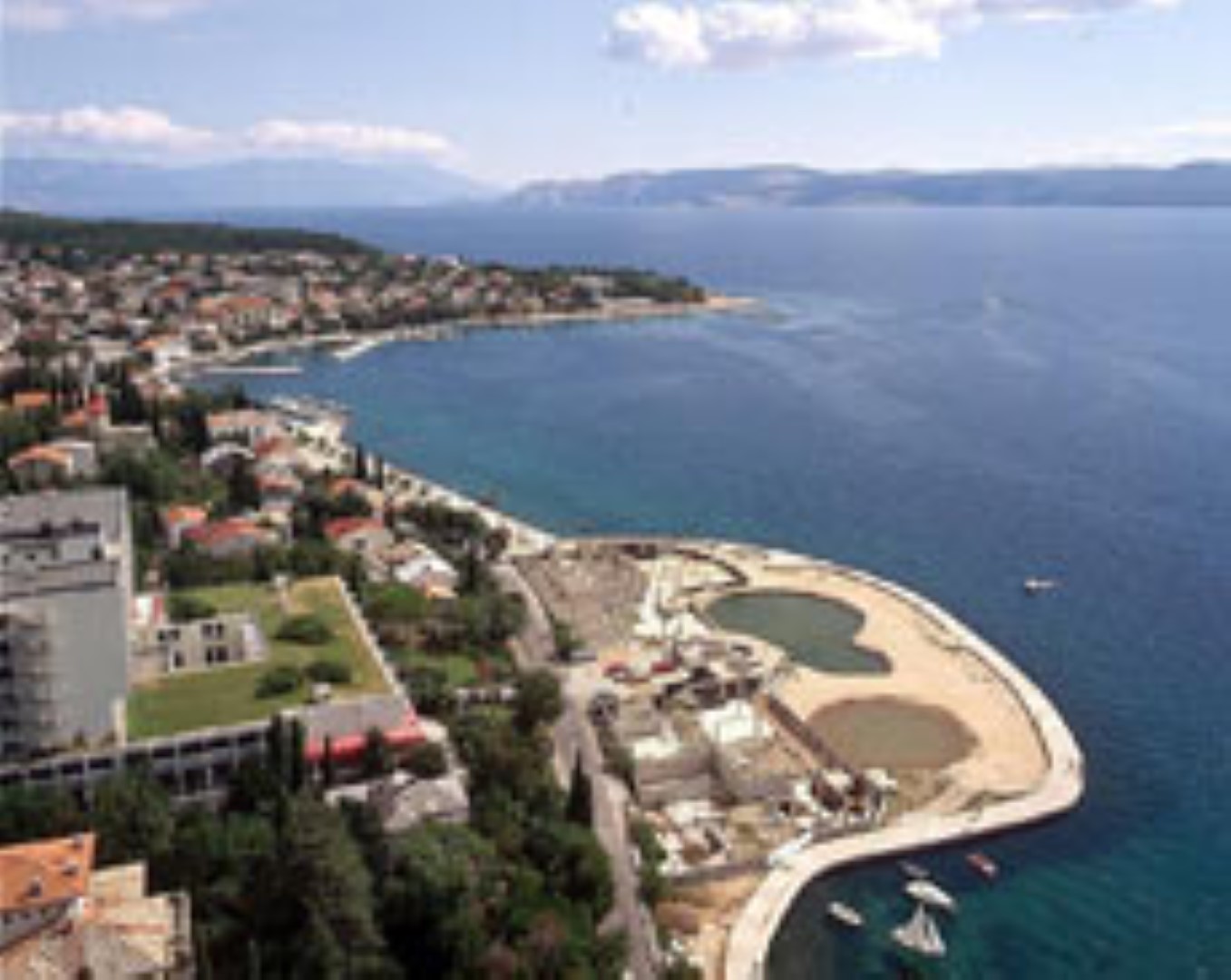
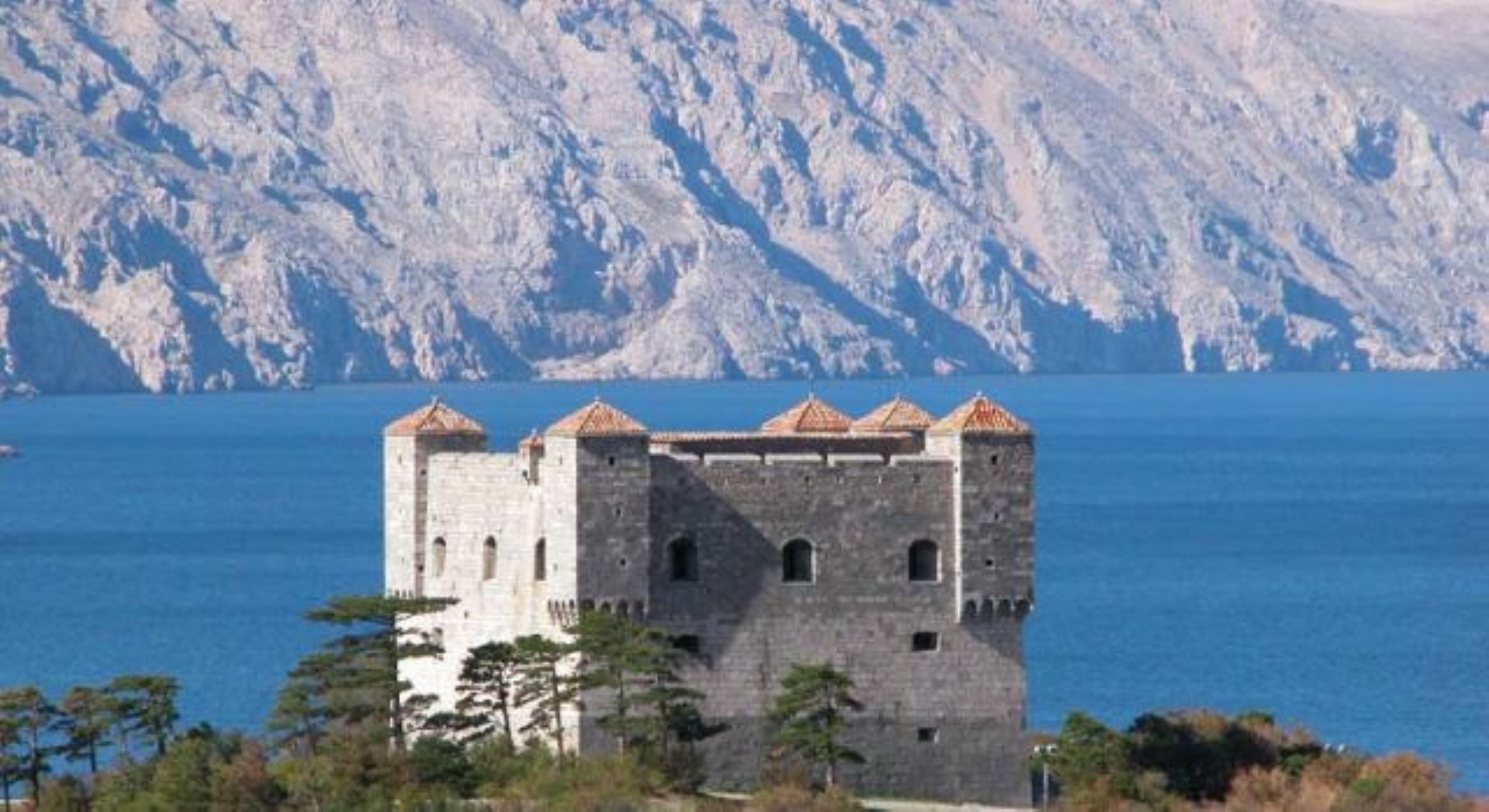

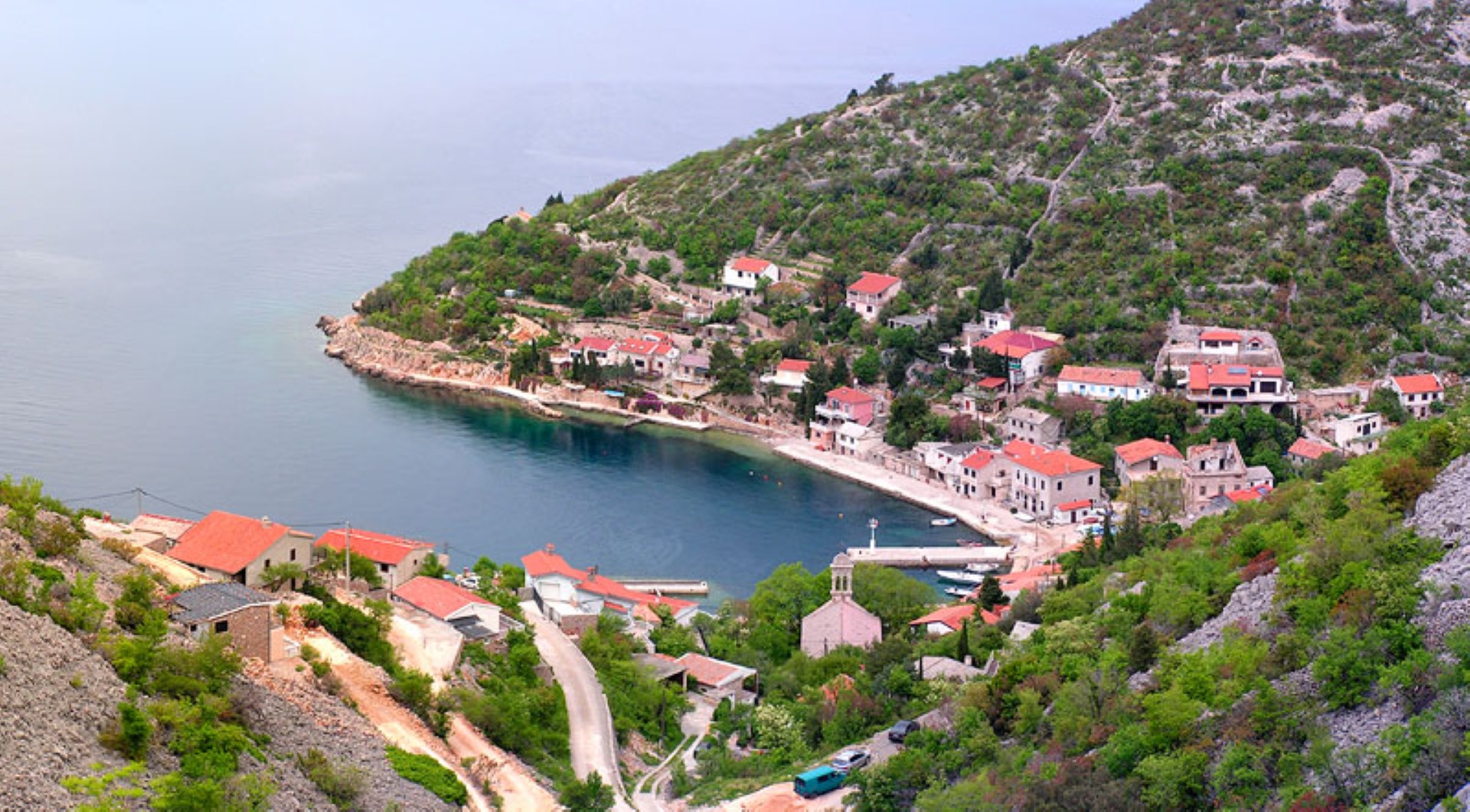
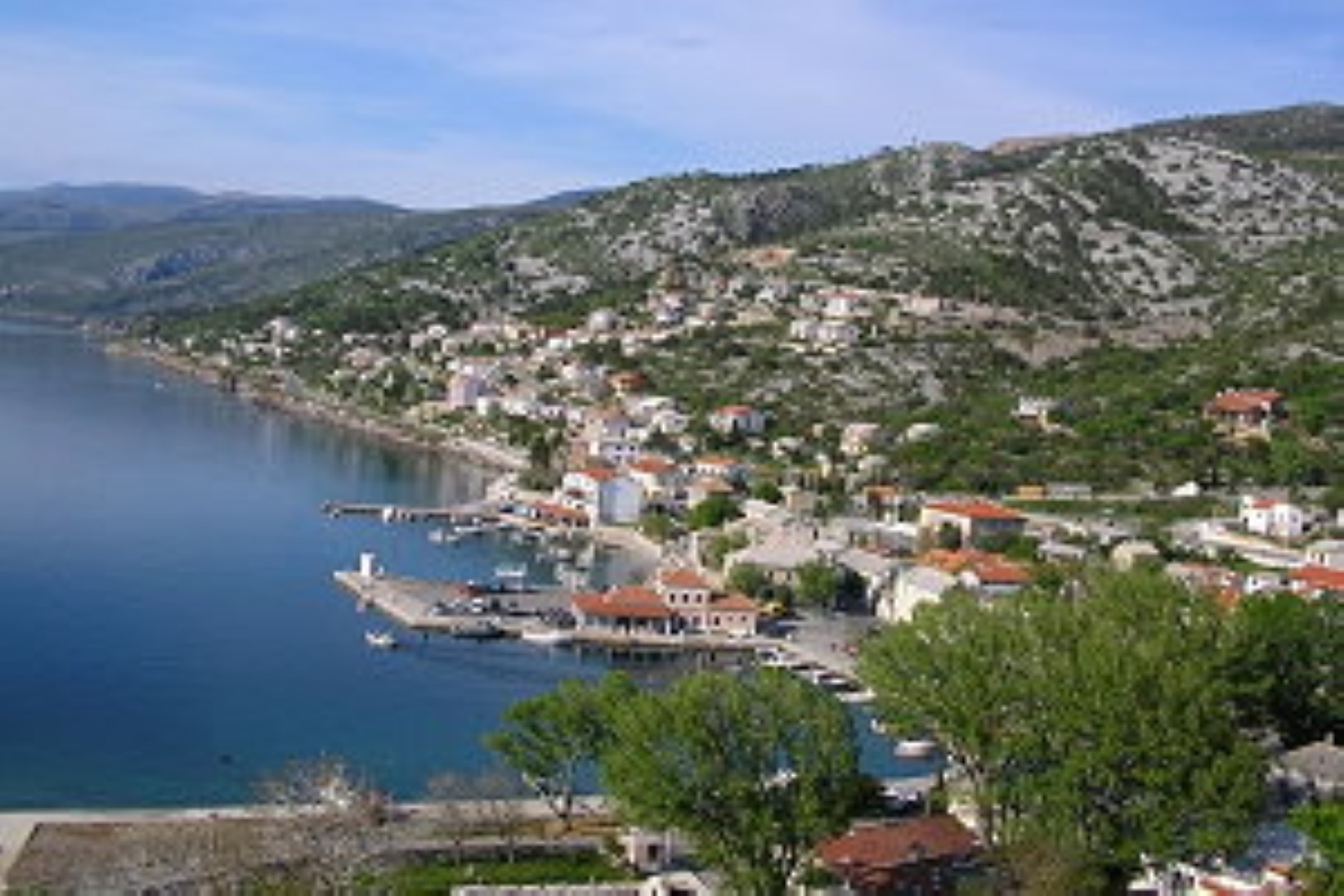

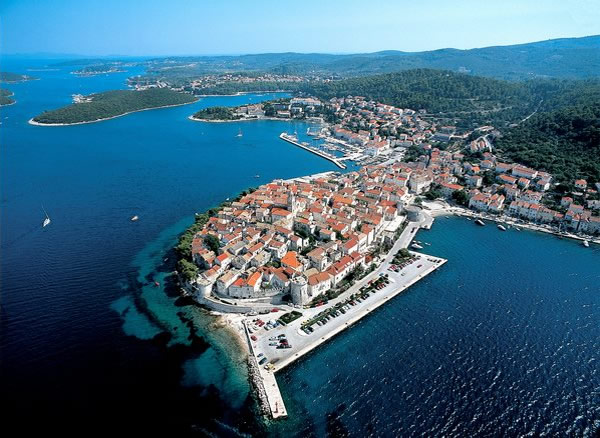
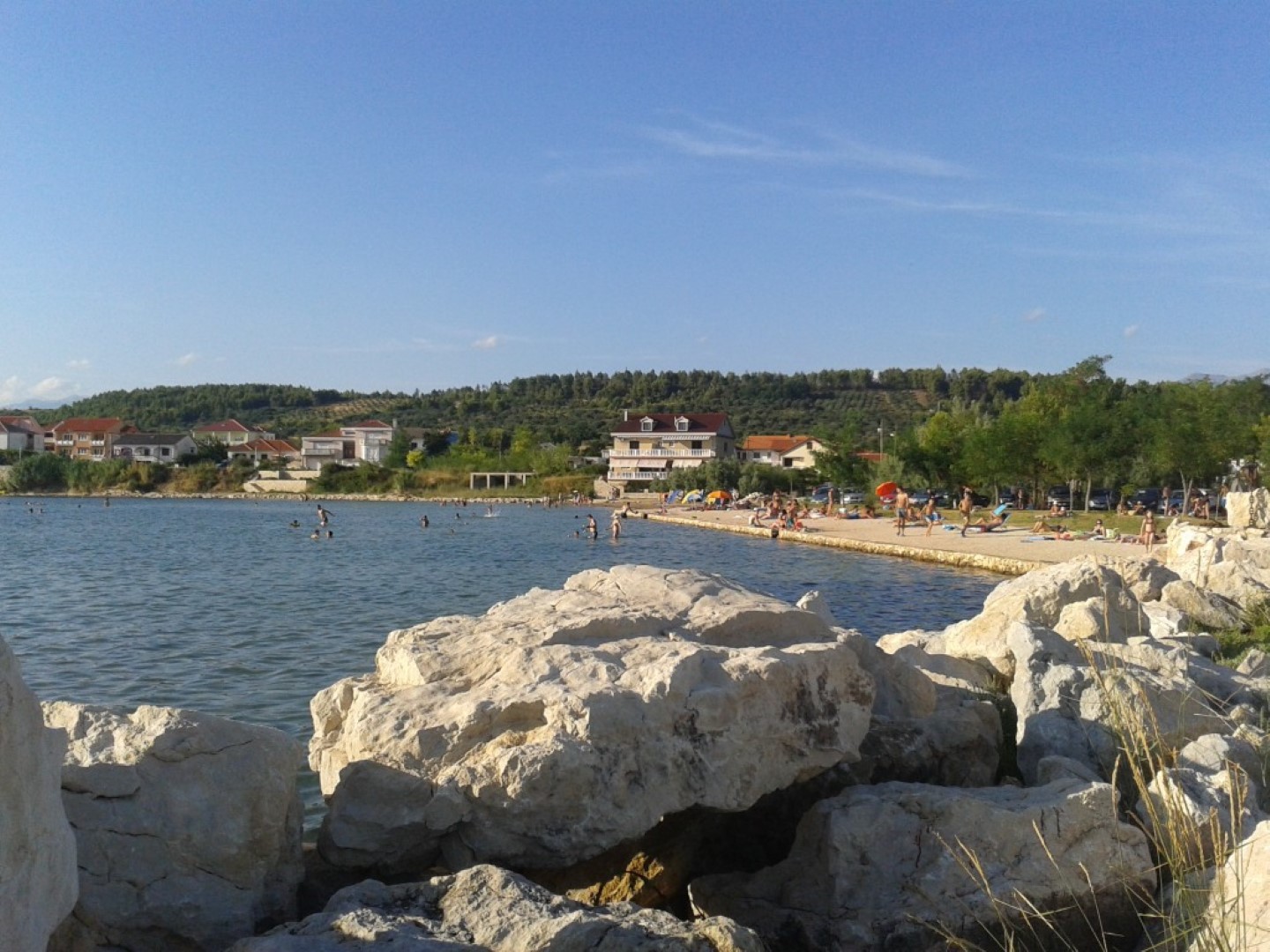
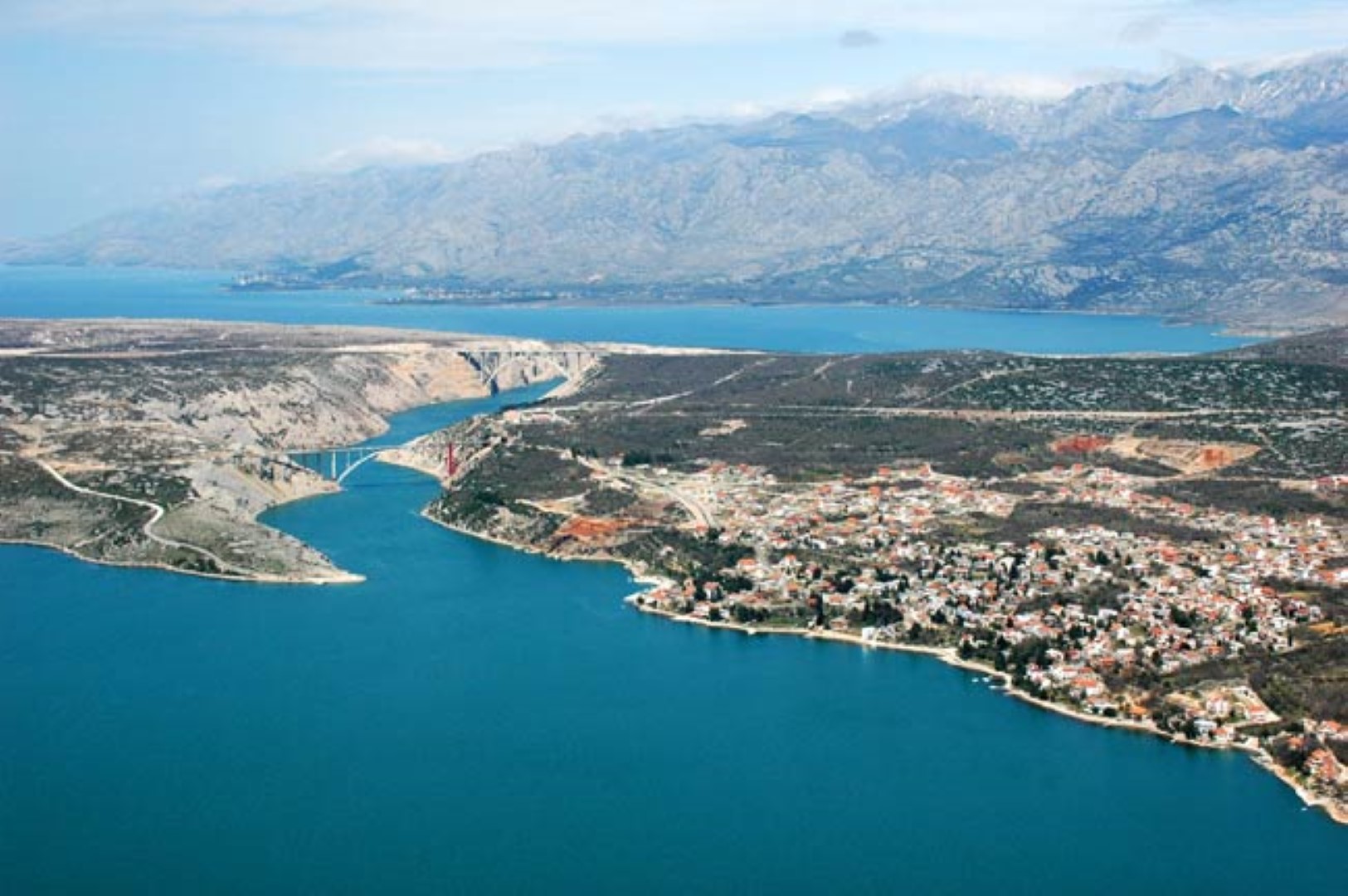
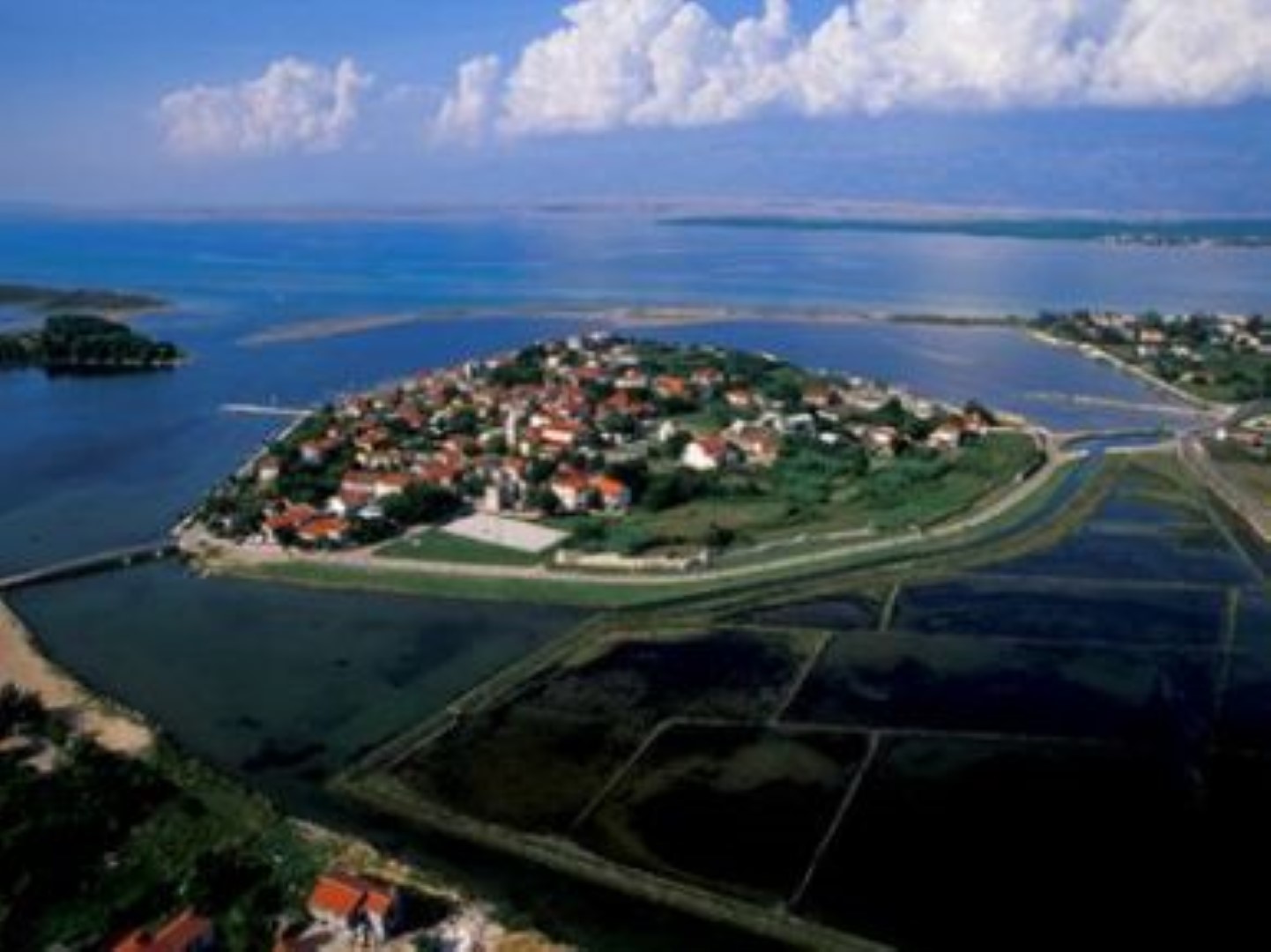
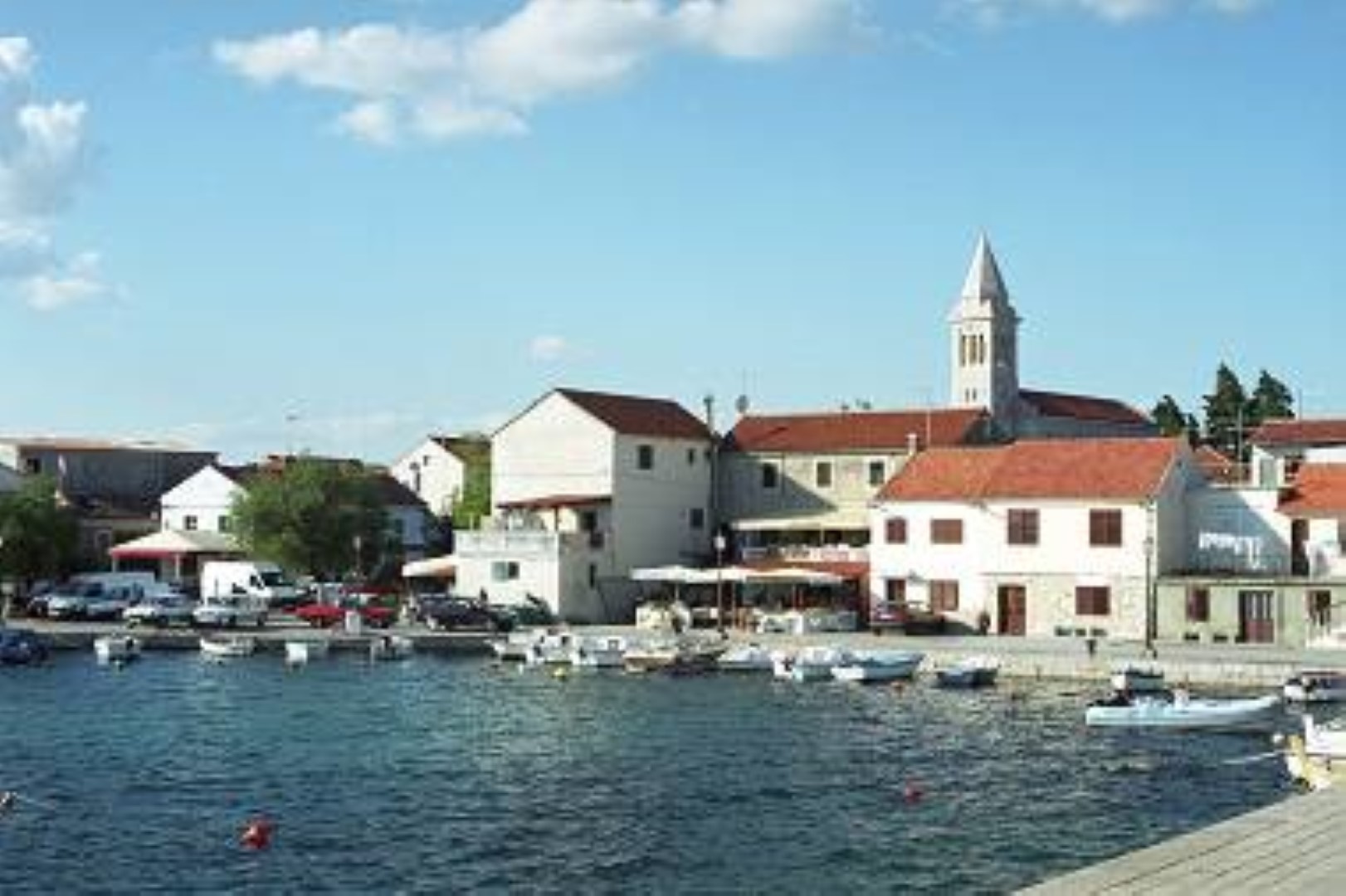
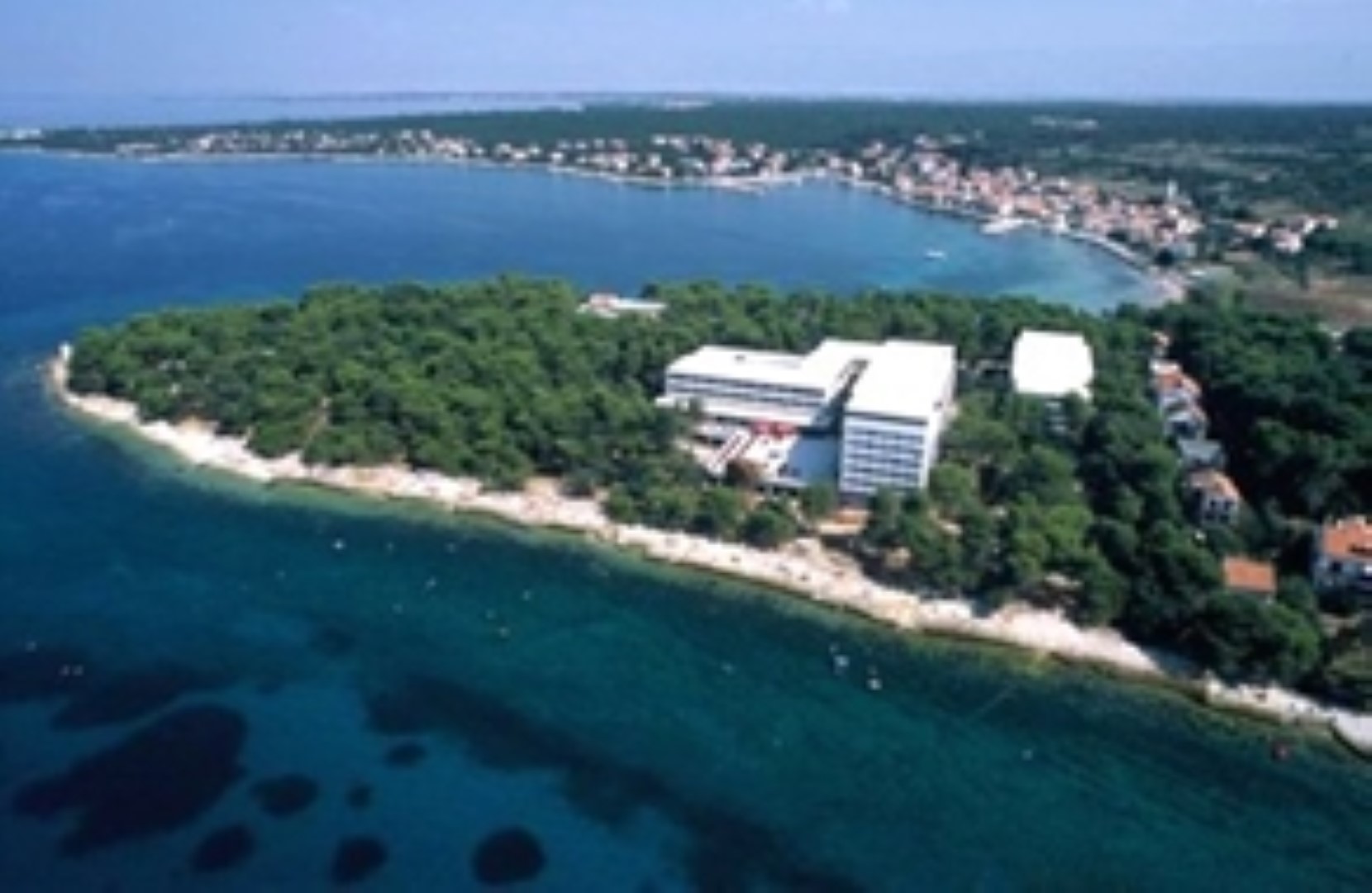
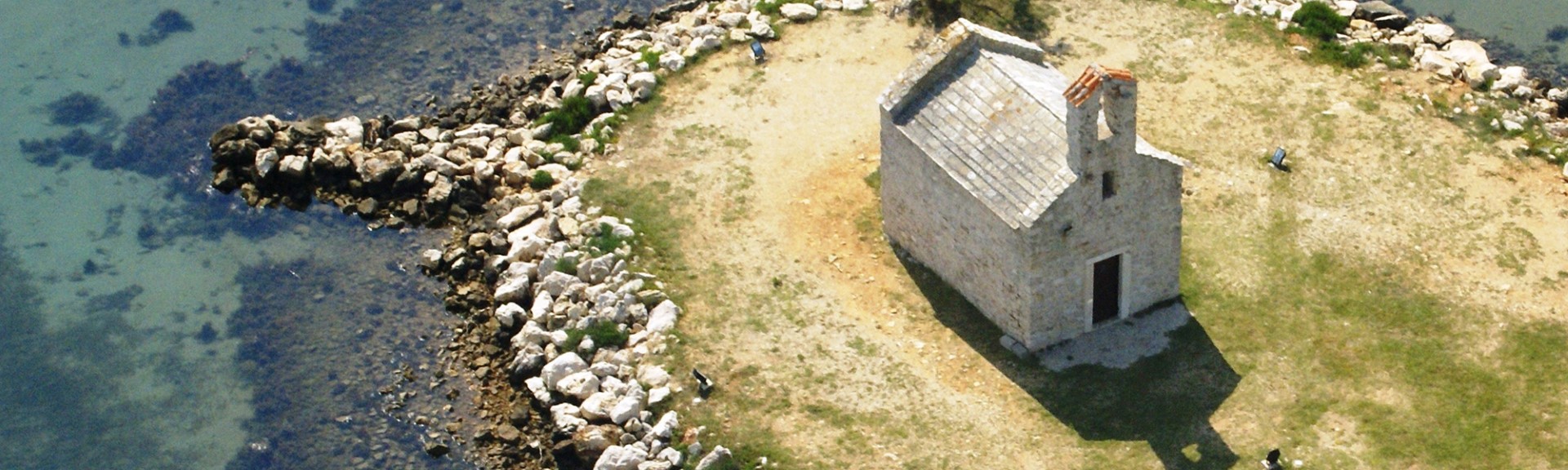
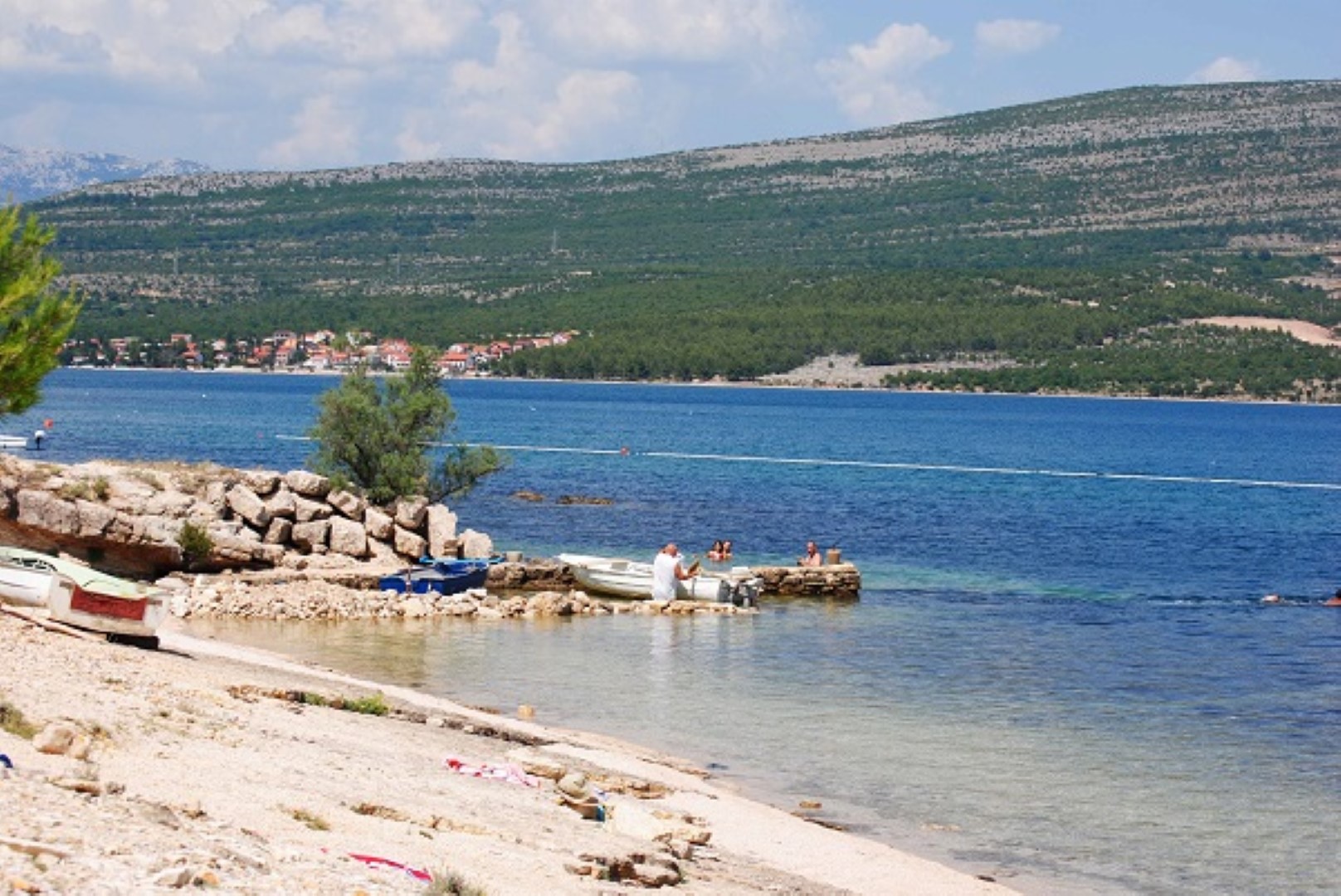
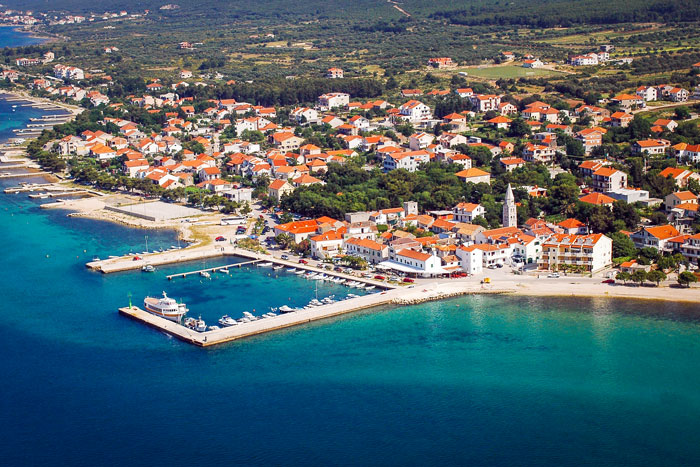
Zadar is just one of many well known tourist destinations in this rich historical area. If you visit any of those Croatian pearls, you will truly experience Mediterranean as it used to be ages ago.

.jpg)
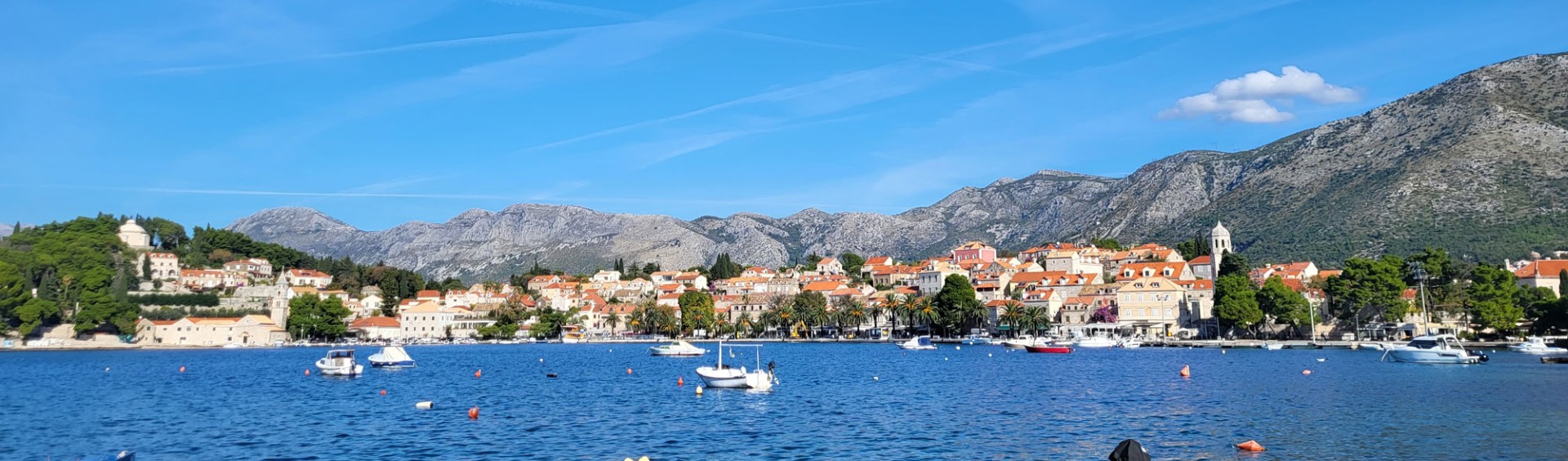
This picturesque region of natural beauties, situated in the very middle of Croatian Adriatic coast, invites you to explore its rich history and culture and to enjoy its numerous cultural manifestations and street festivals. With more then 2000 facilities in private accommodation you wont have trouble finding a place to stay.
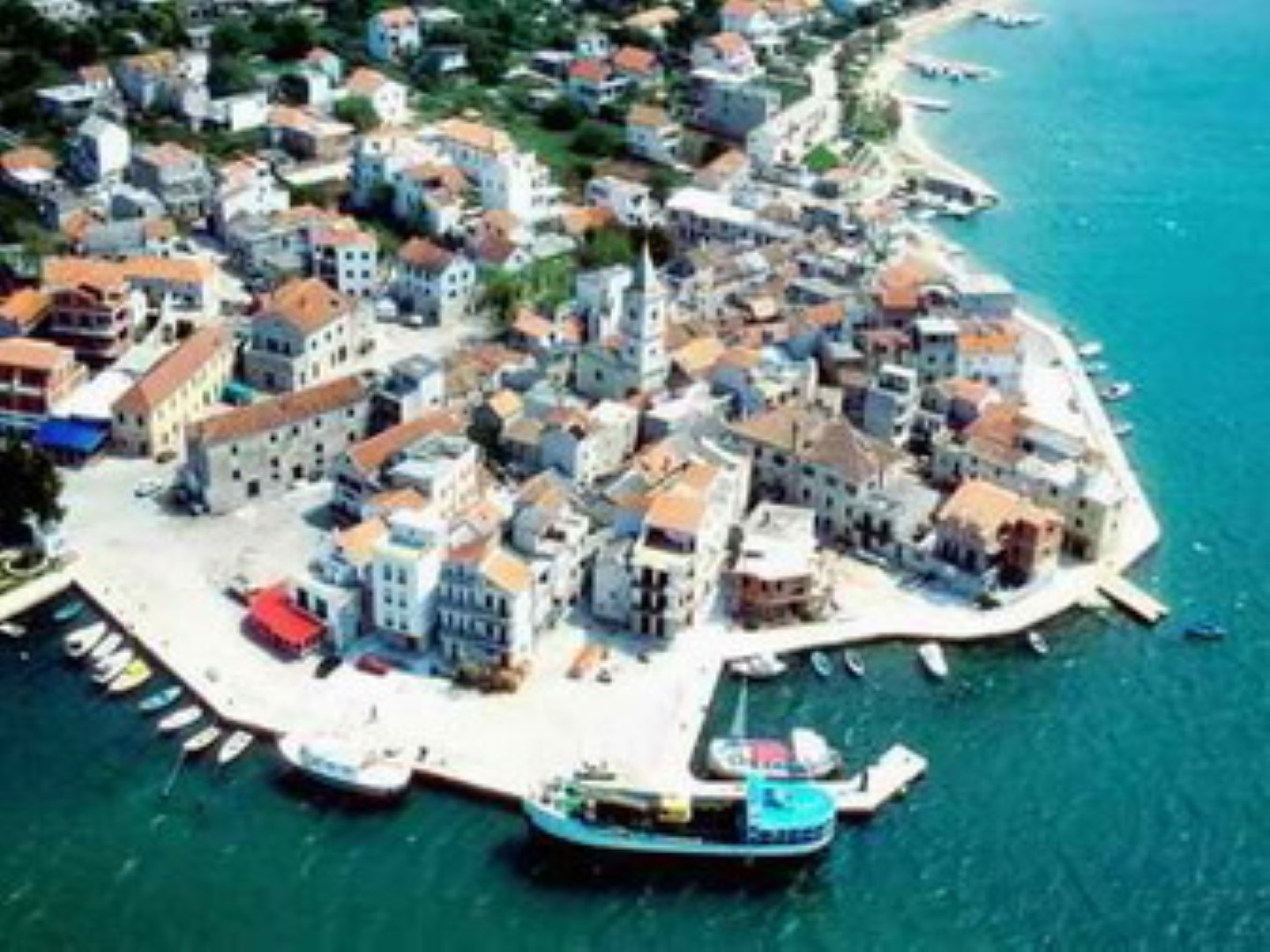
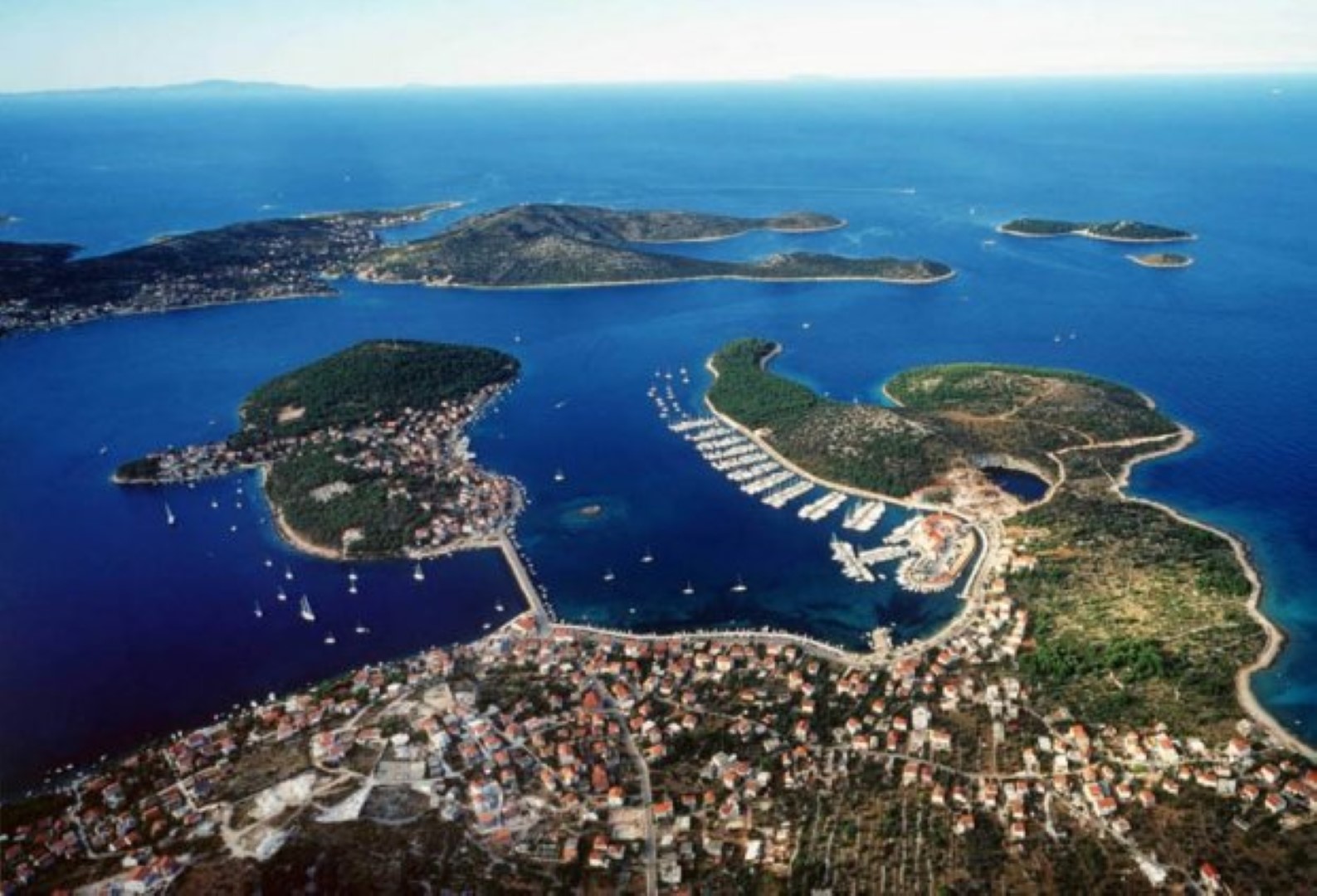
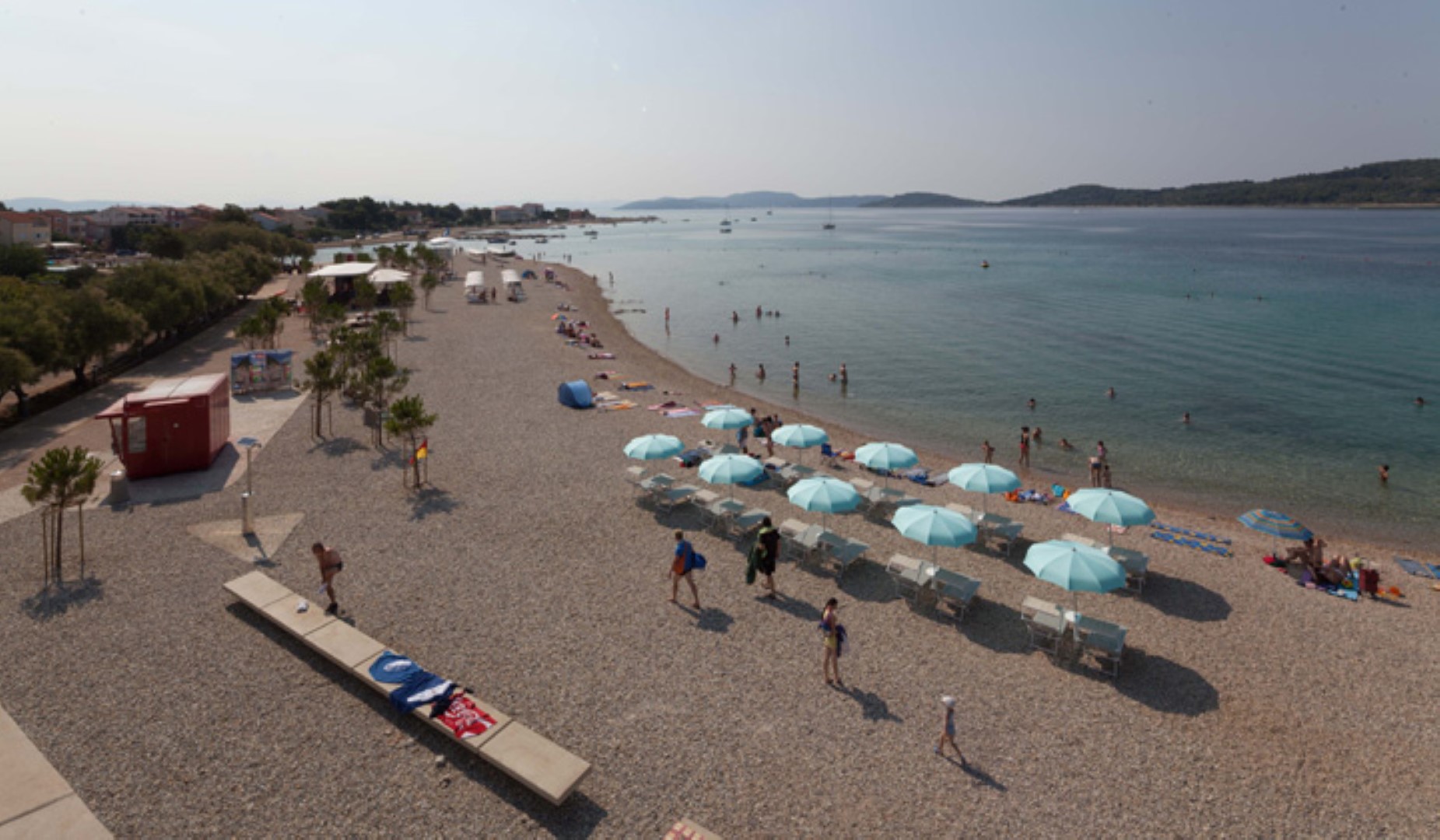
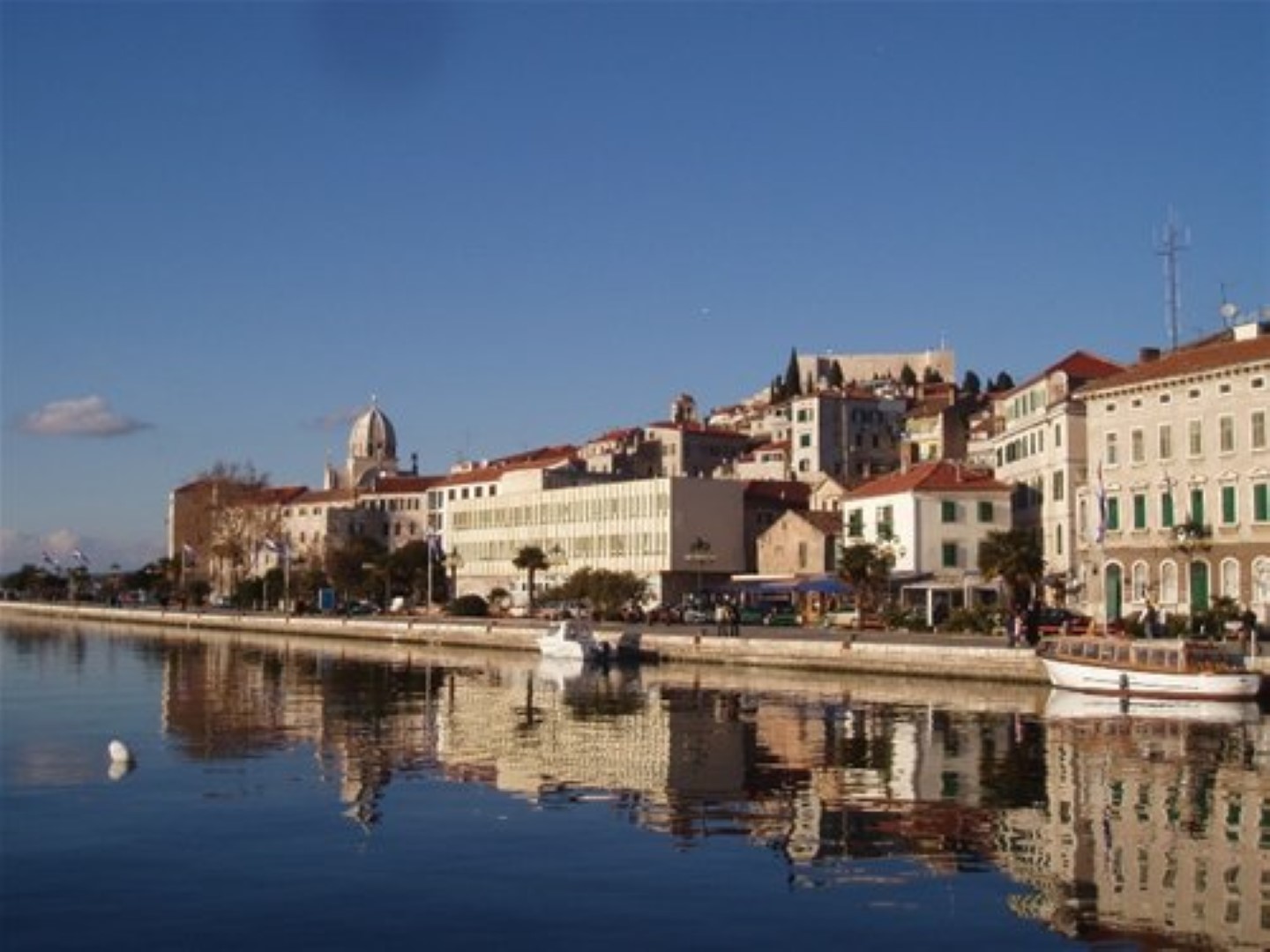
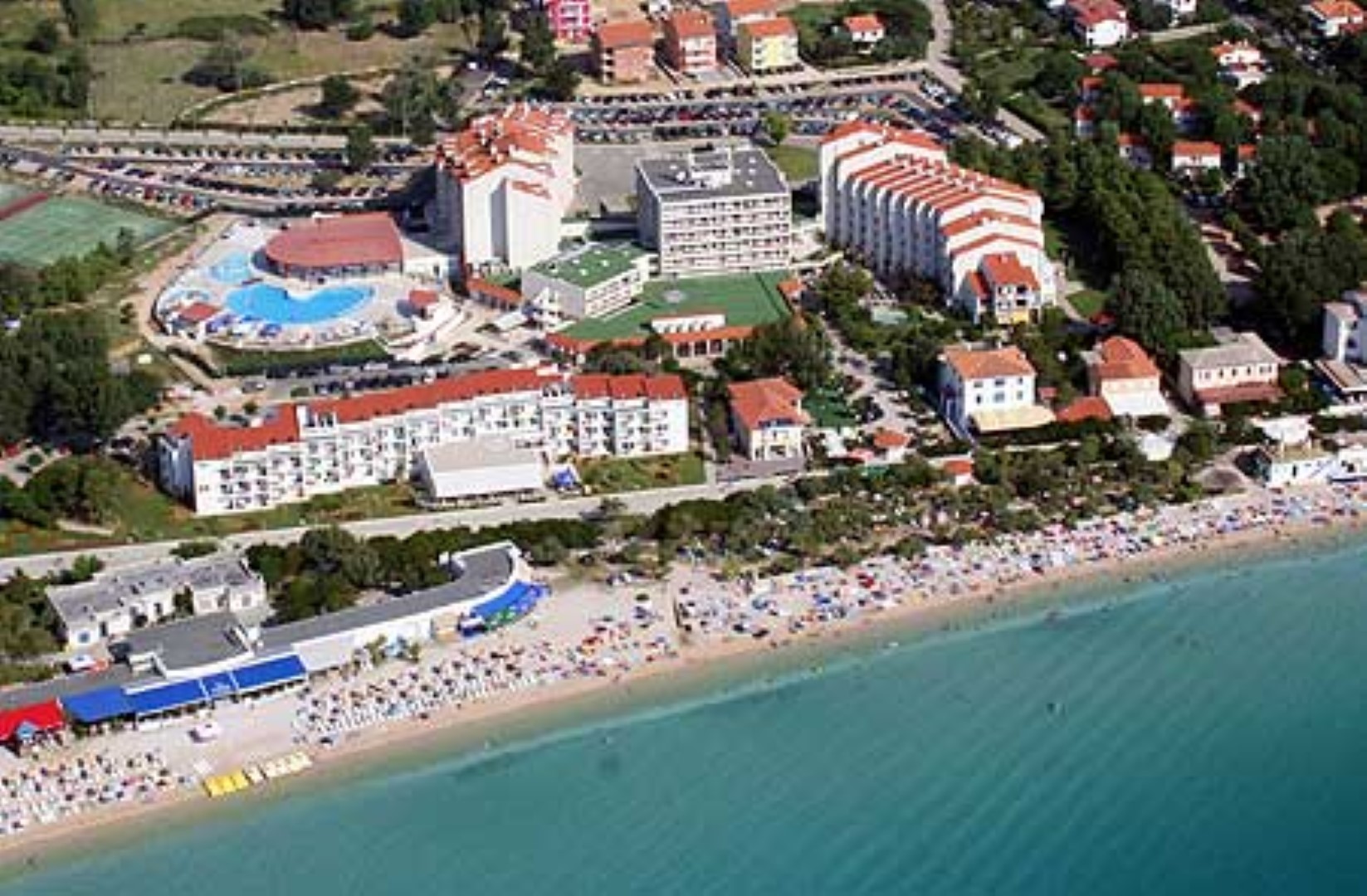

Split, 1,700 years of tradition. Split, a city under the protection of UNESCO and placed in the register of World Cultural Heritage, is located on the warmest part of the northern Mediterranean coast.
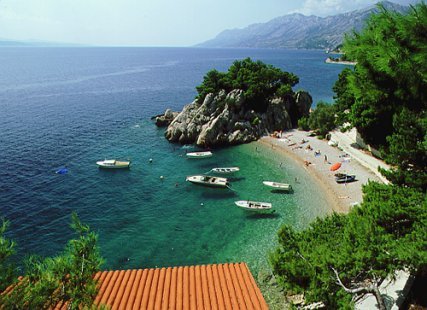
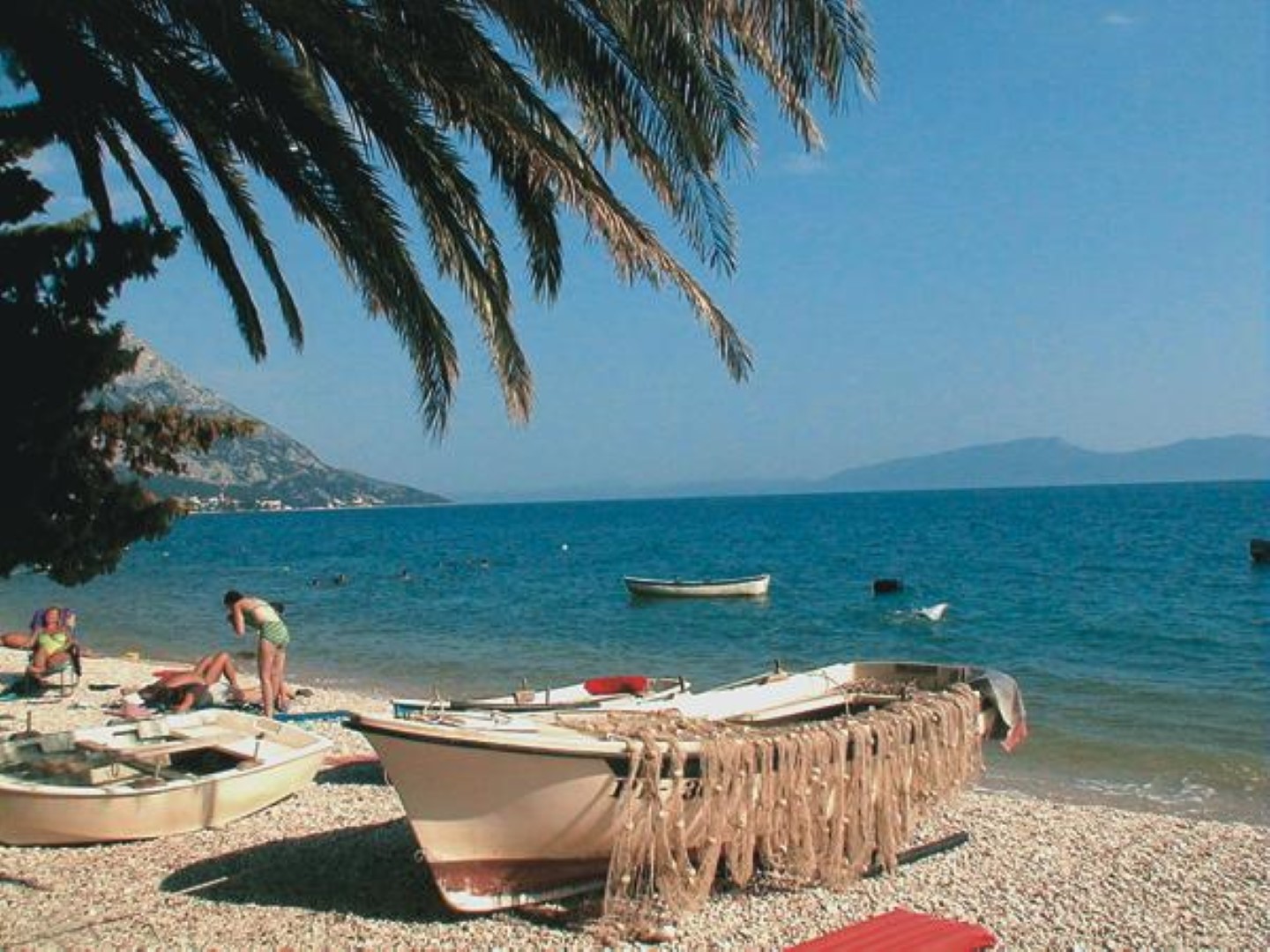
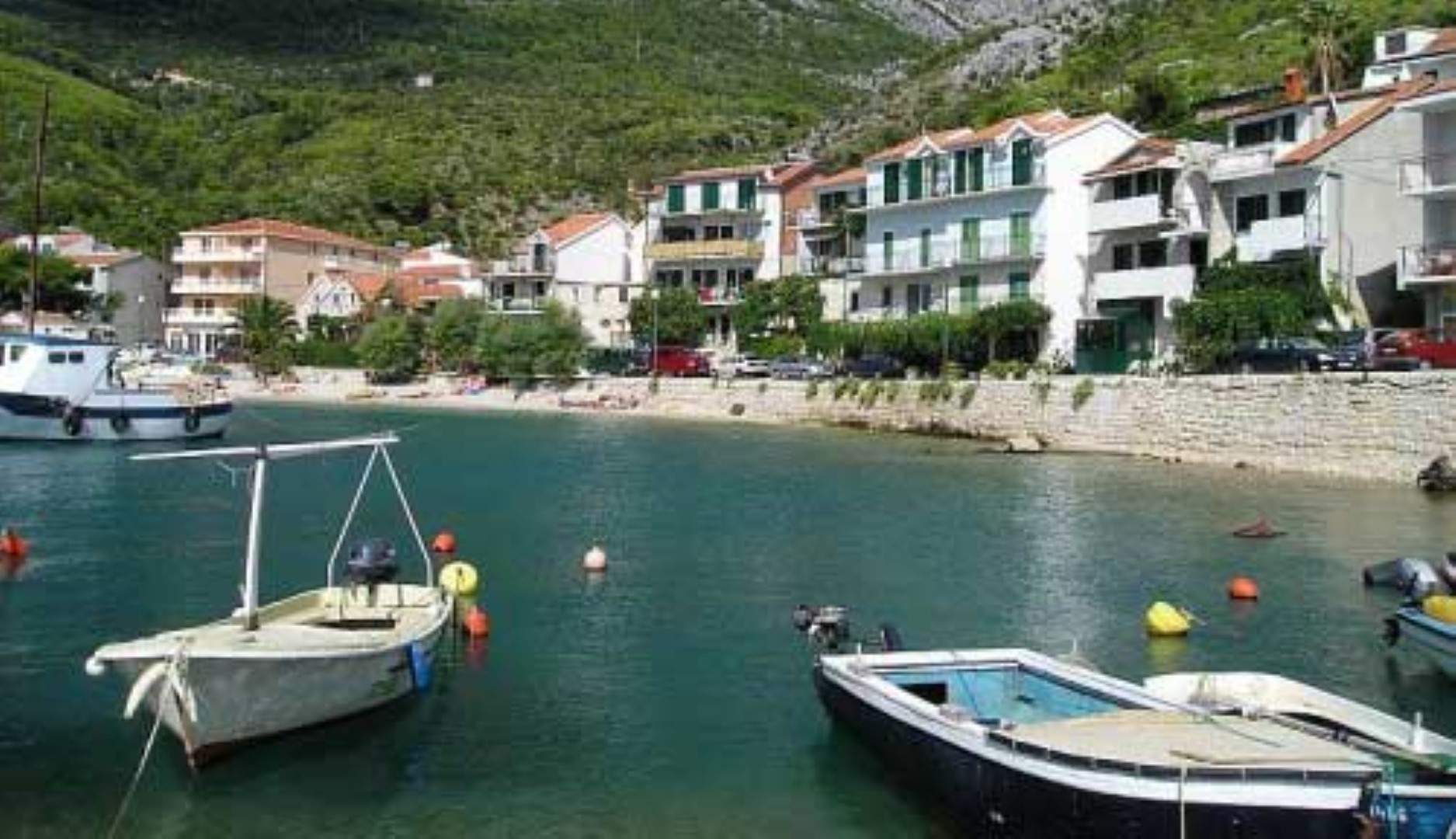
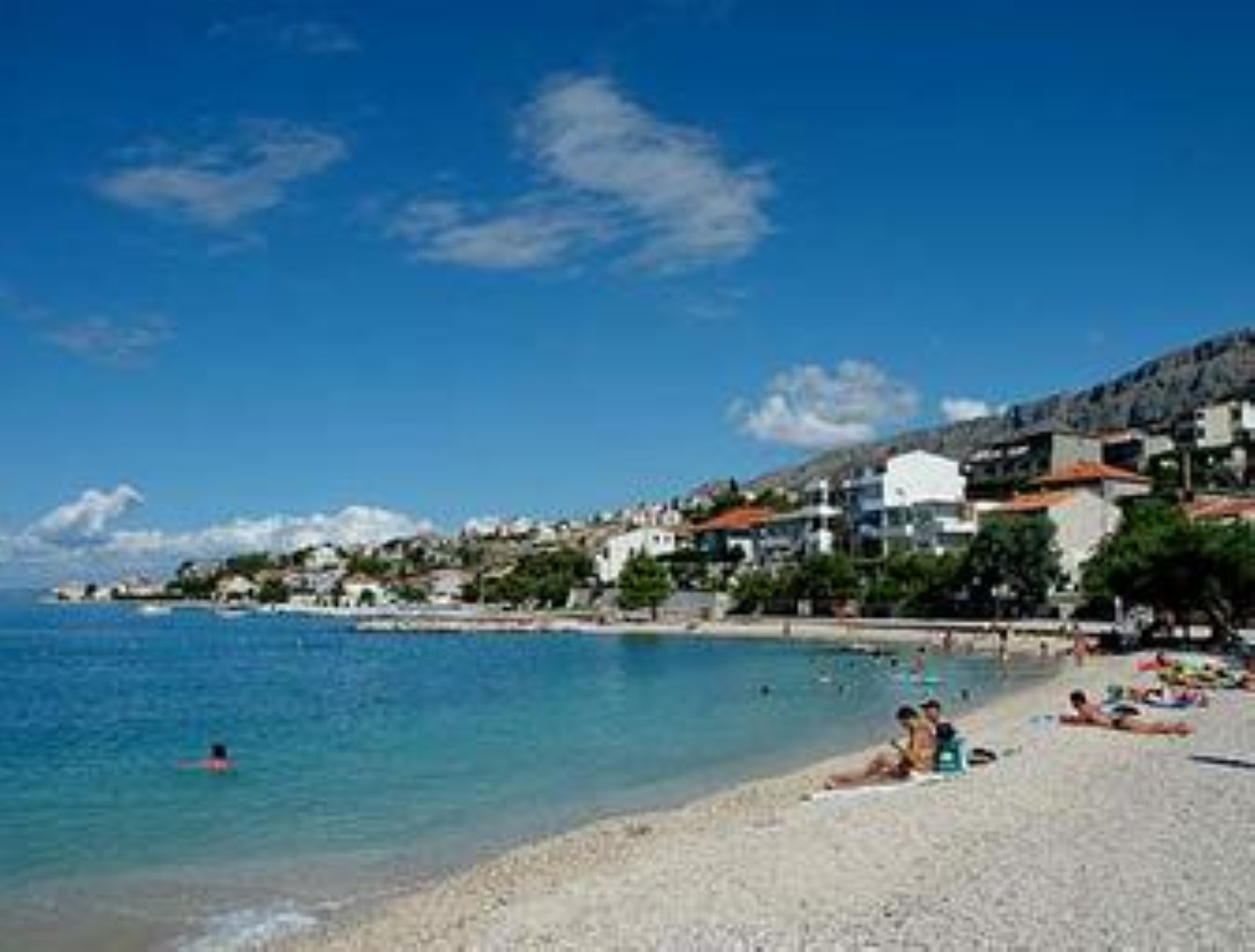
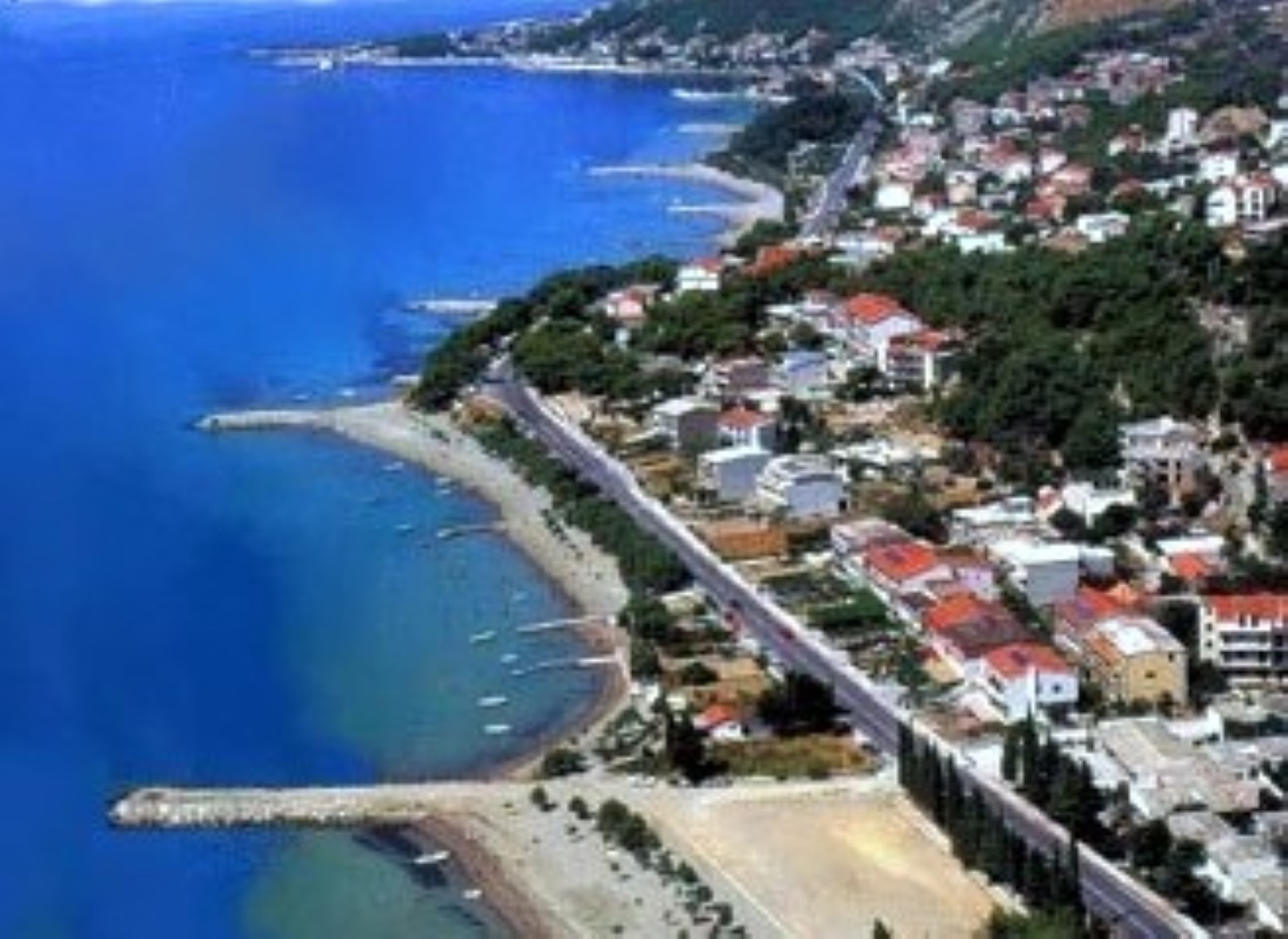
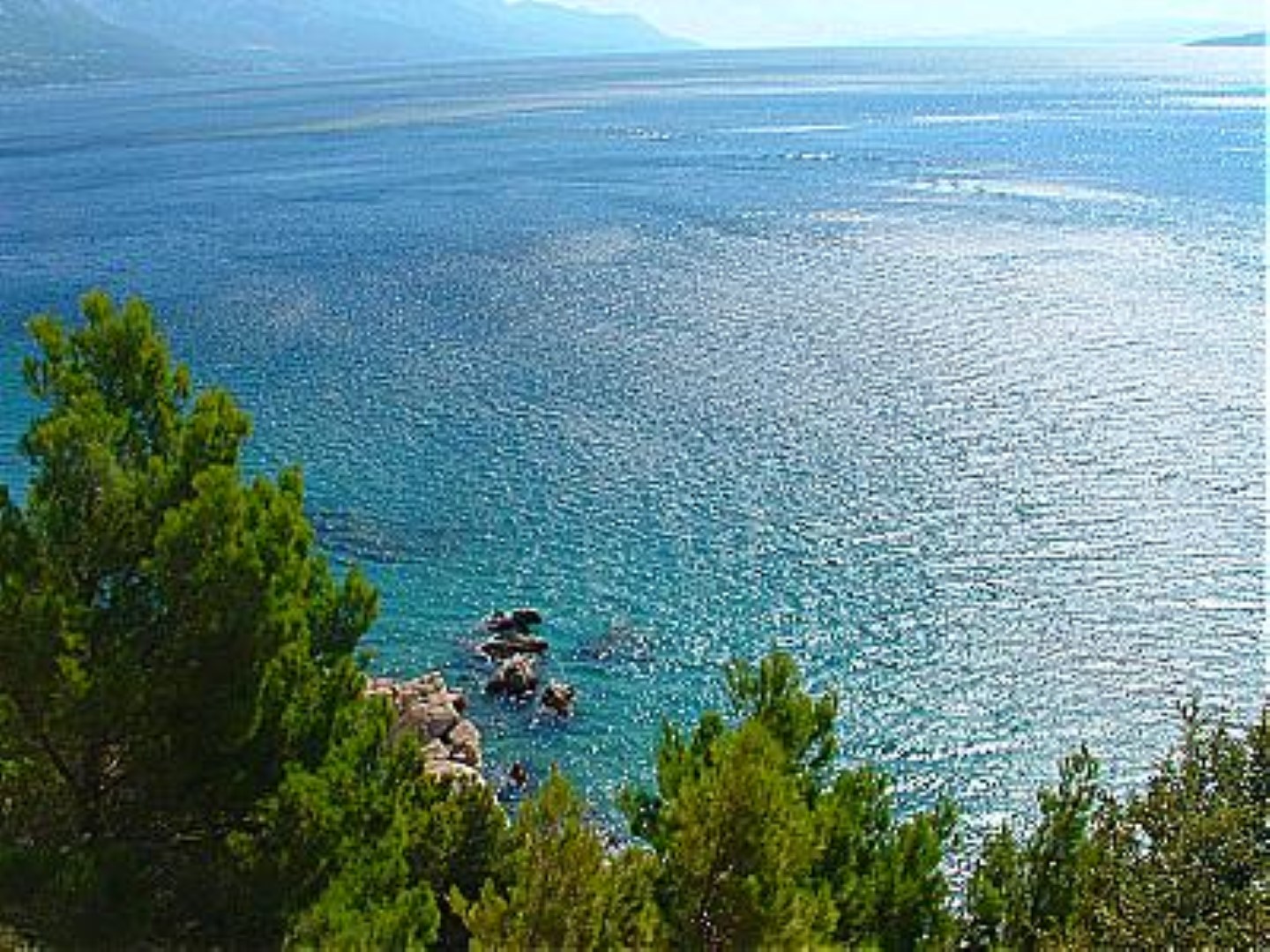
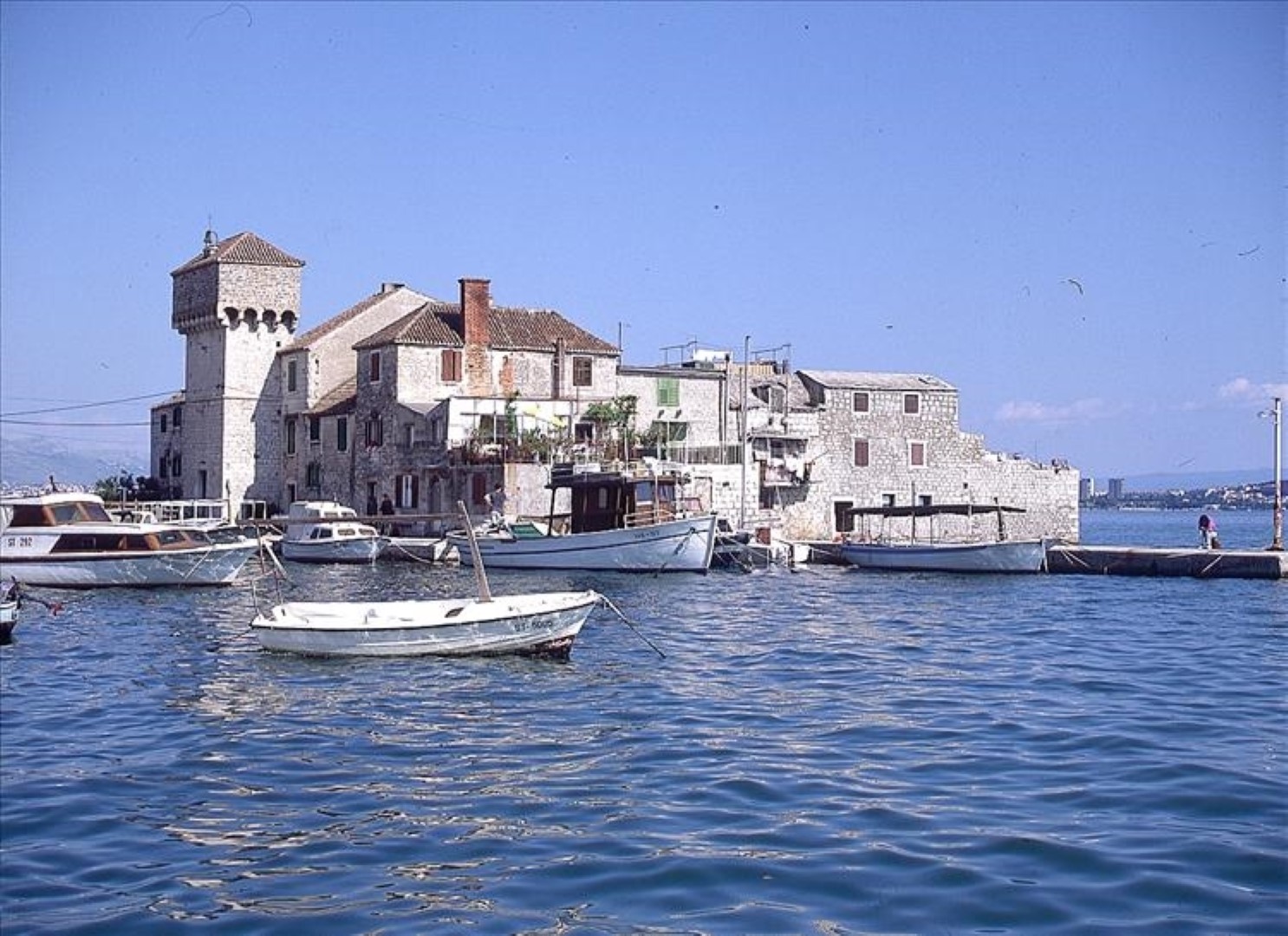


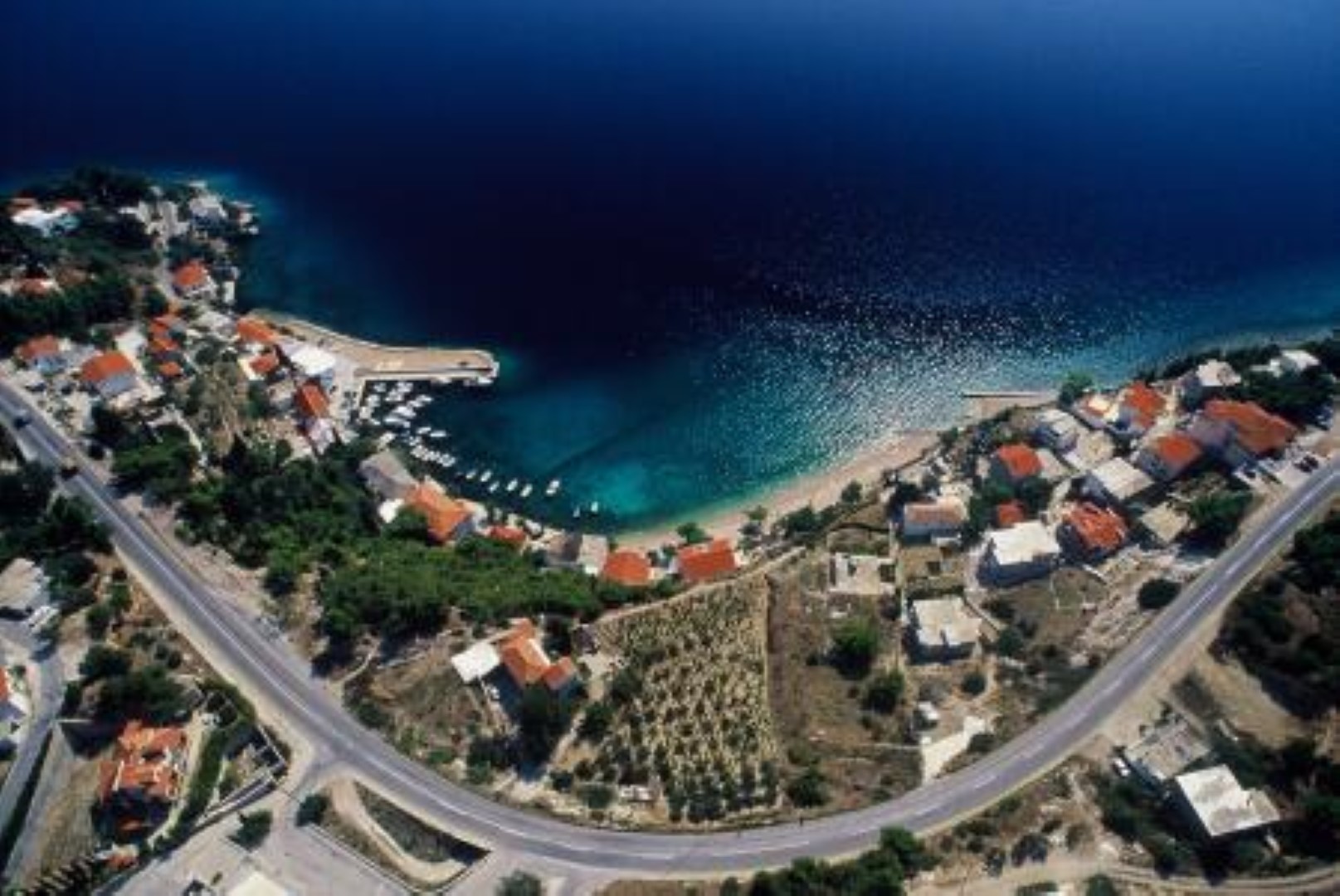
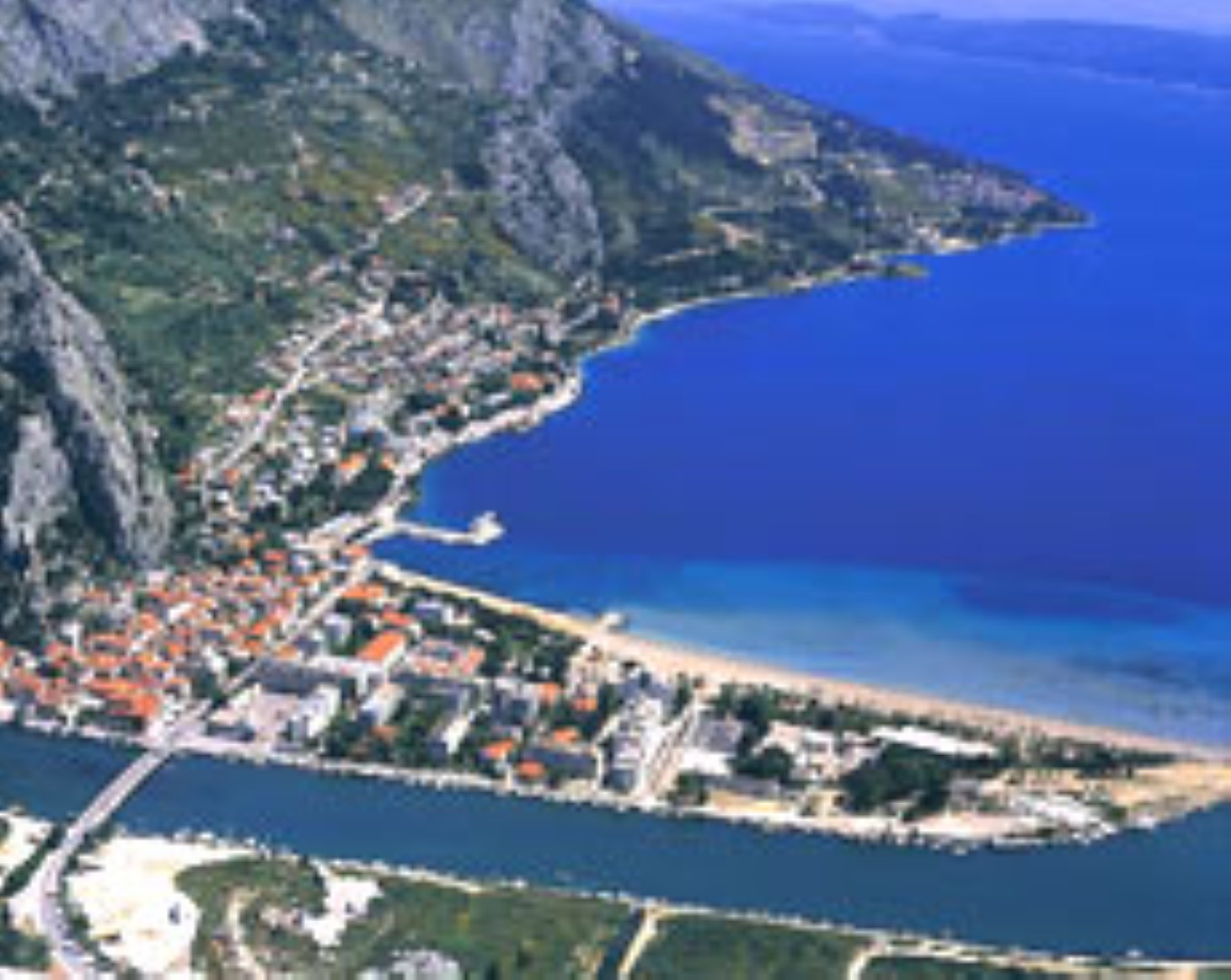
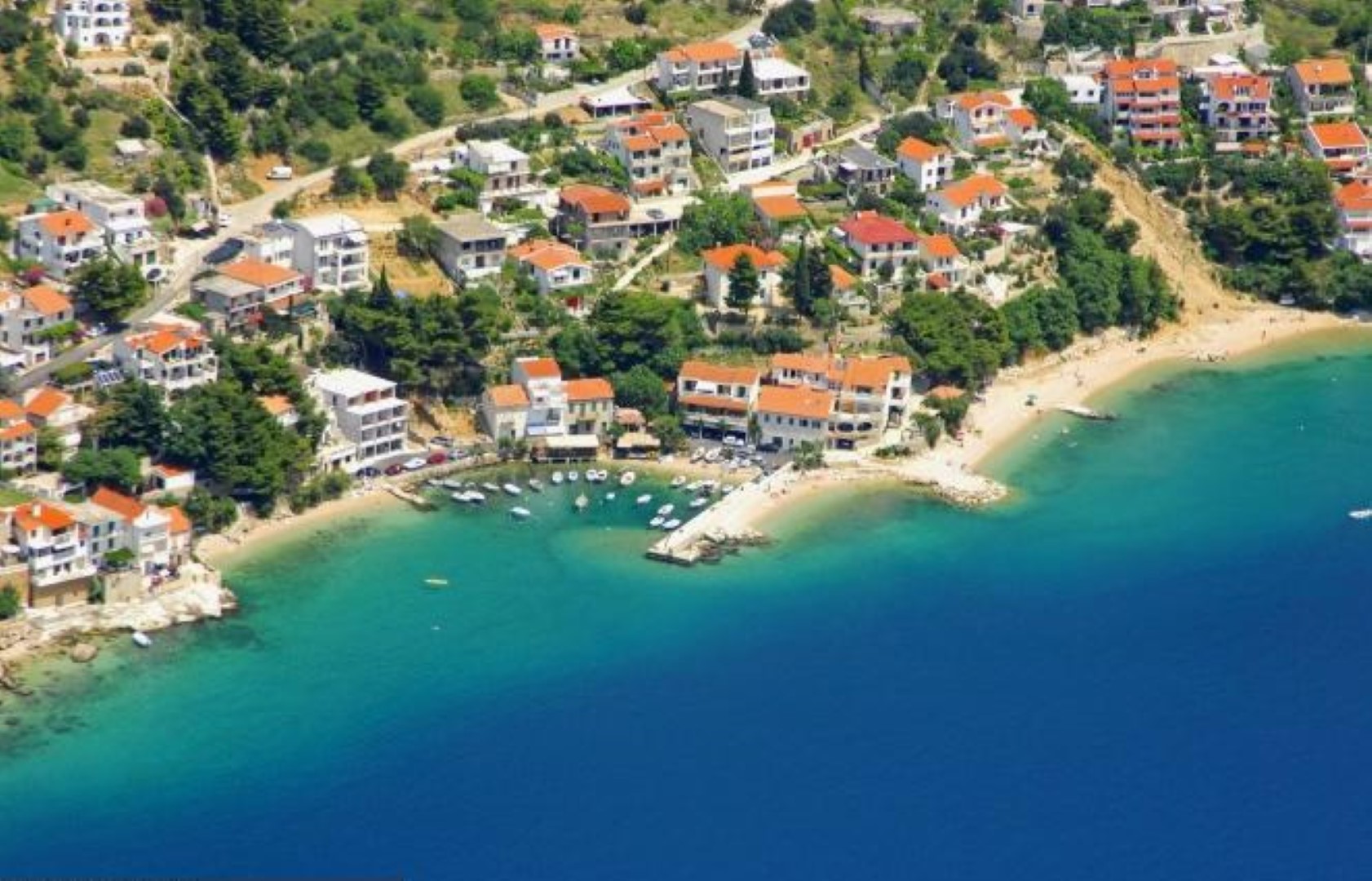
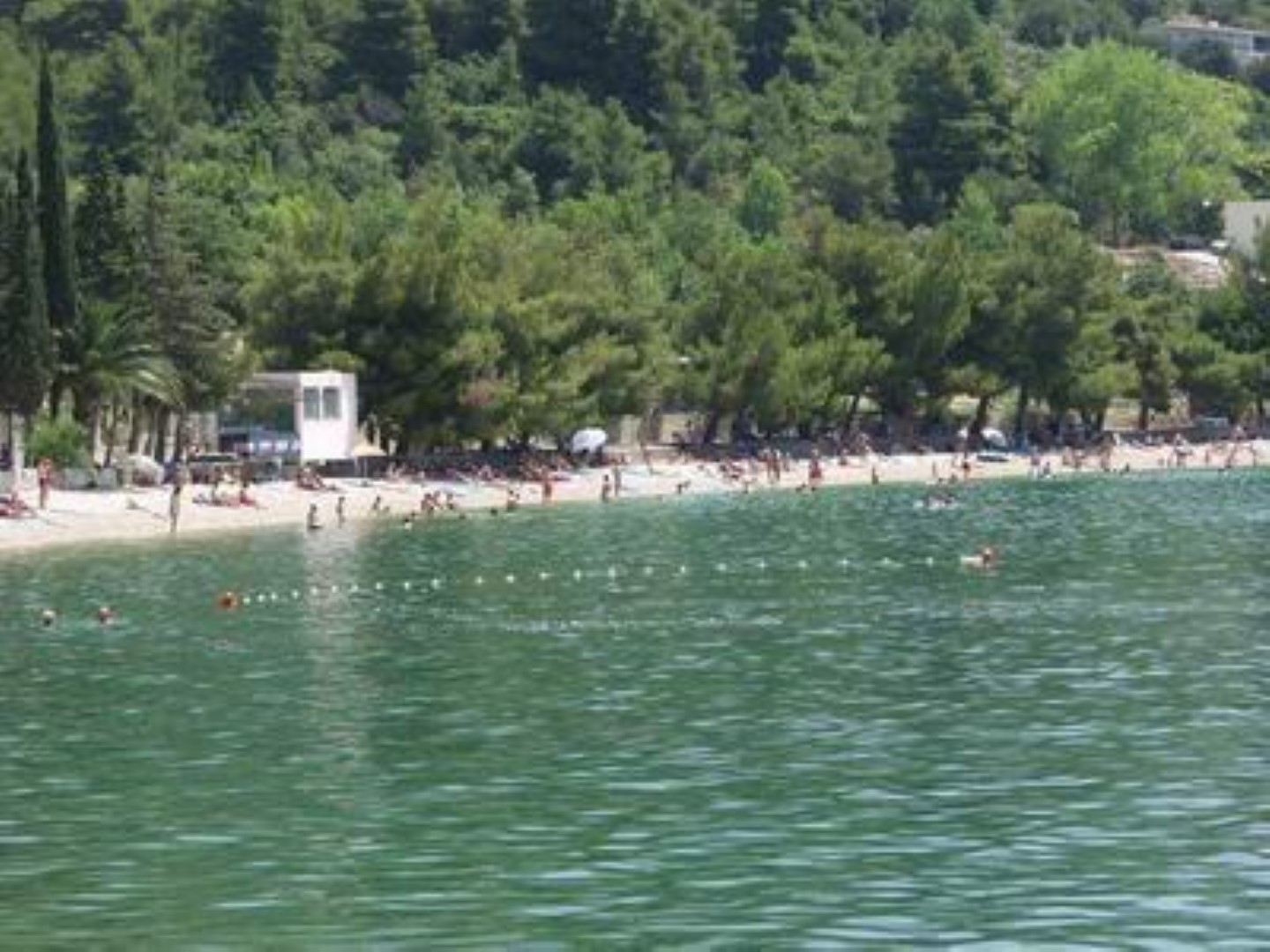
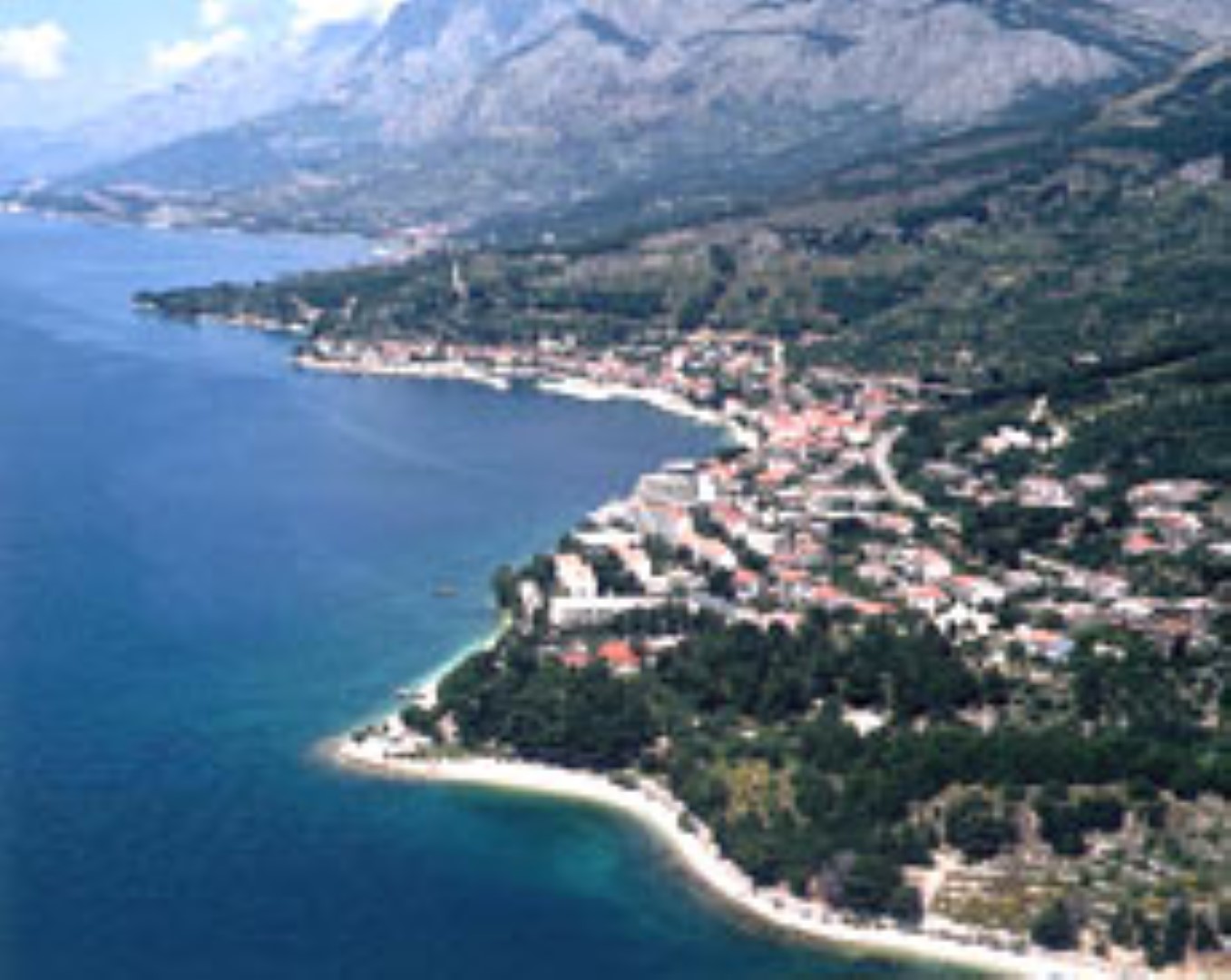
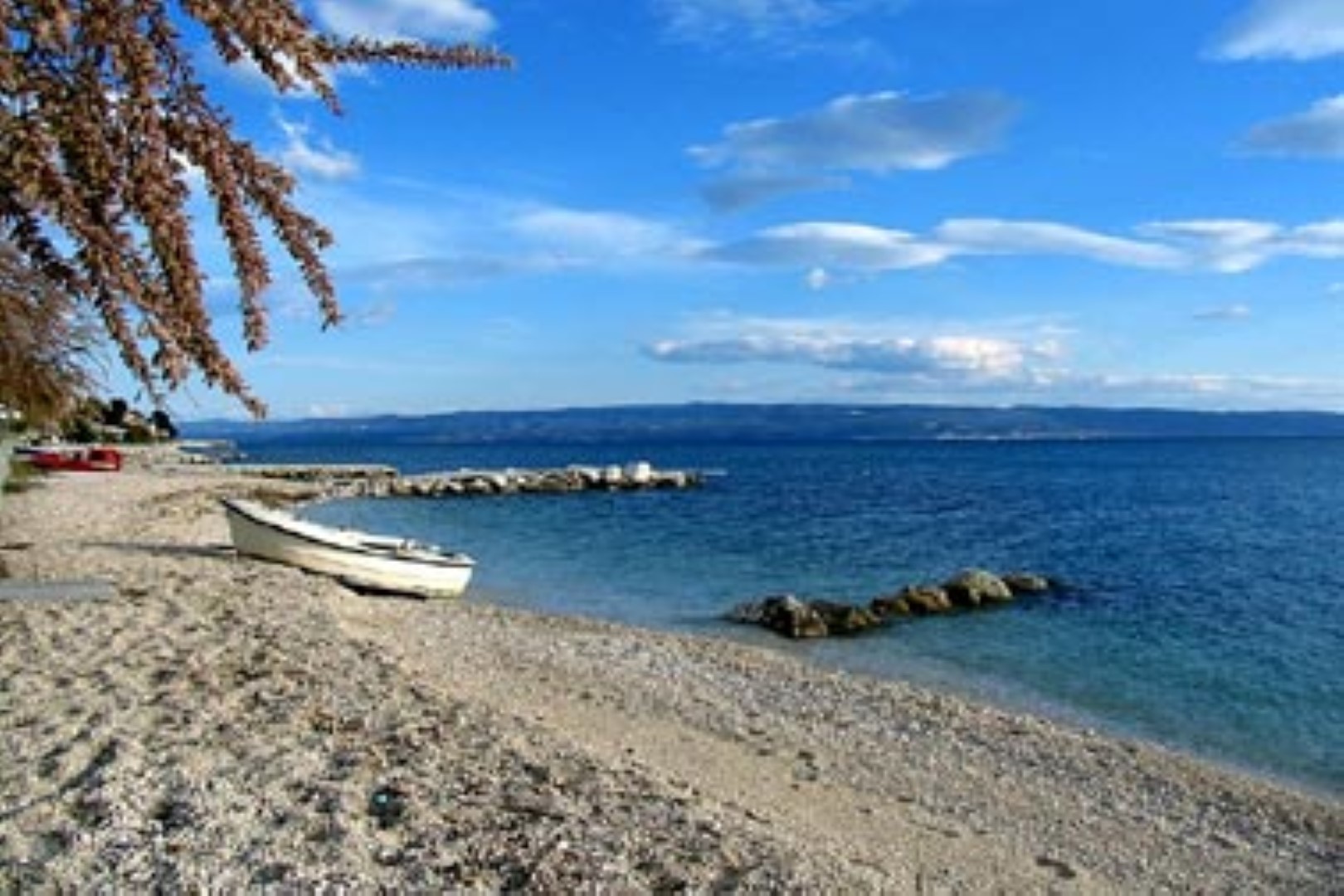
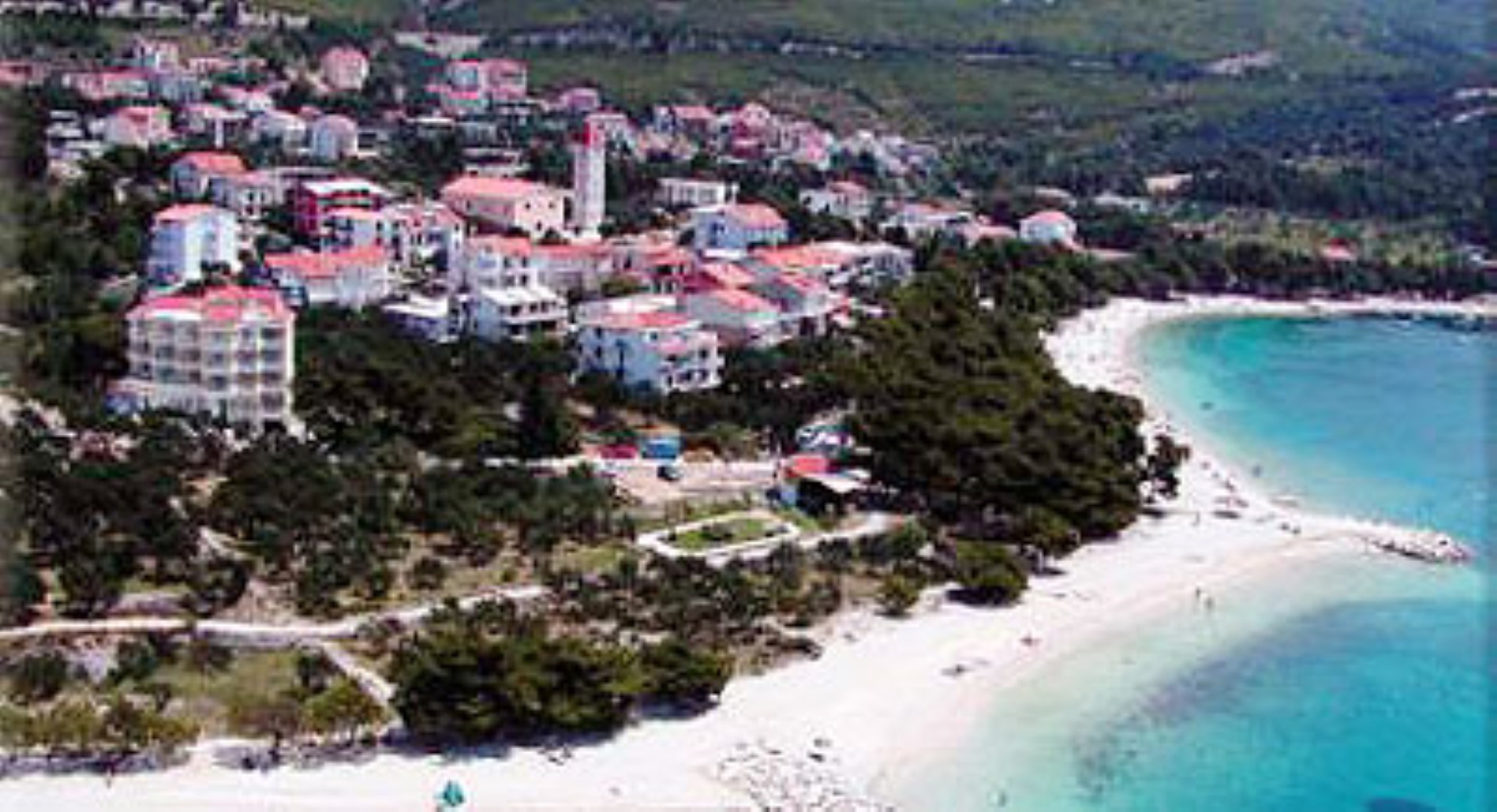
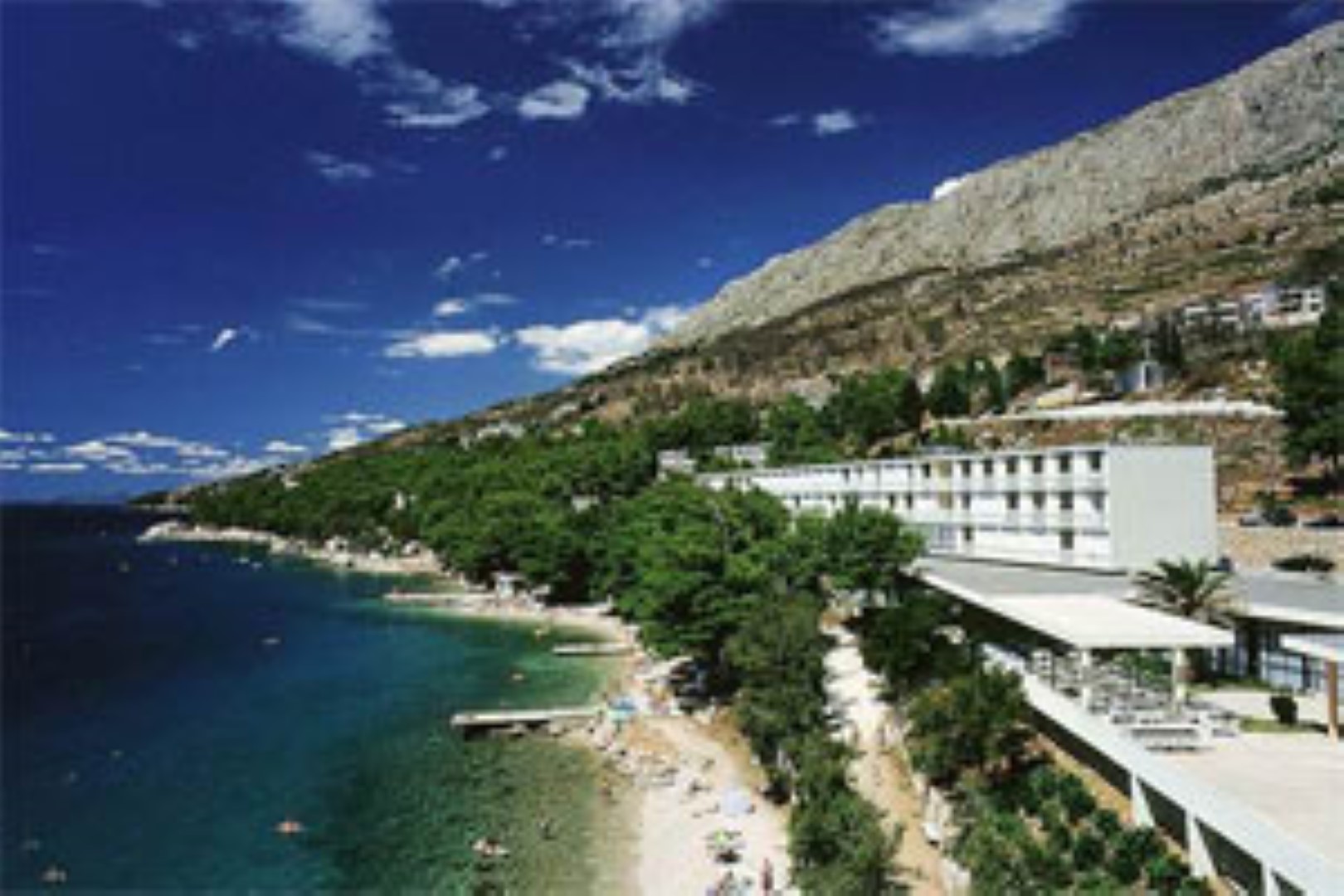
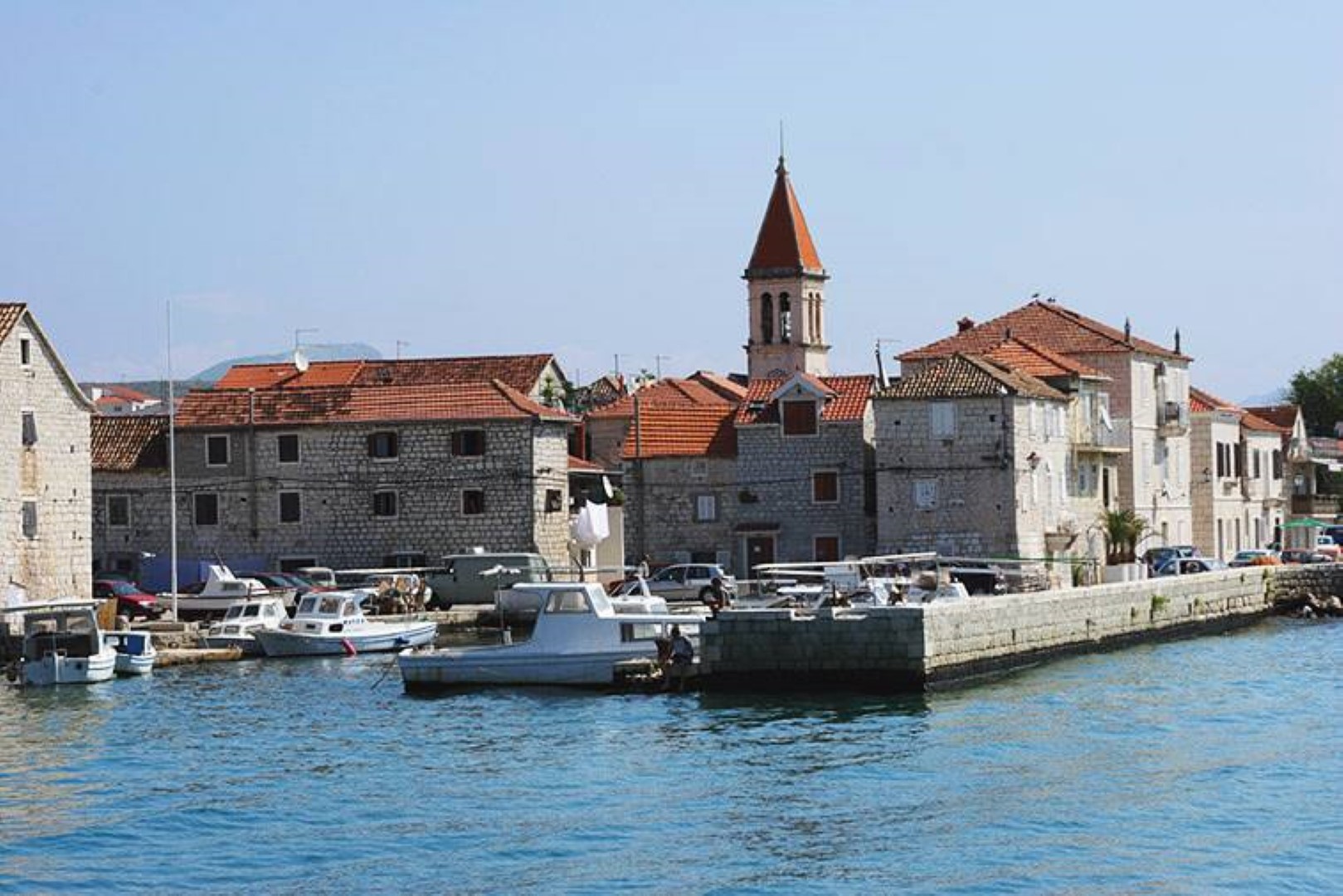
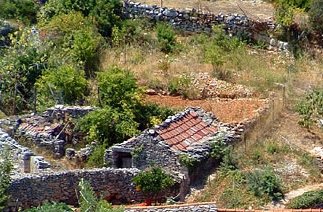
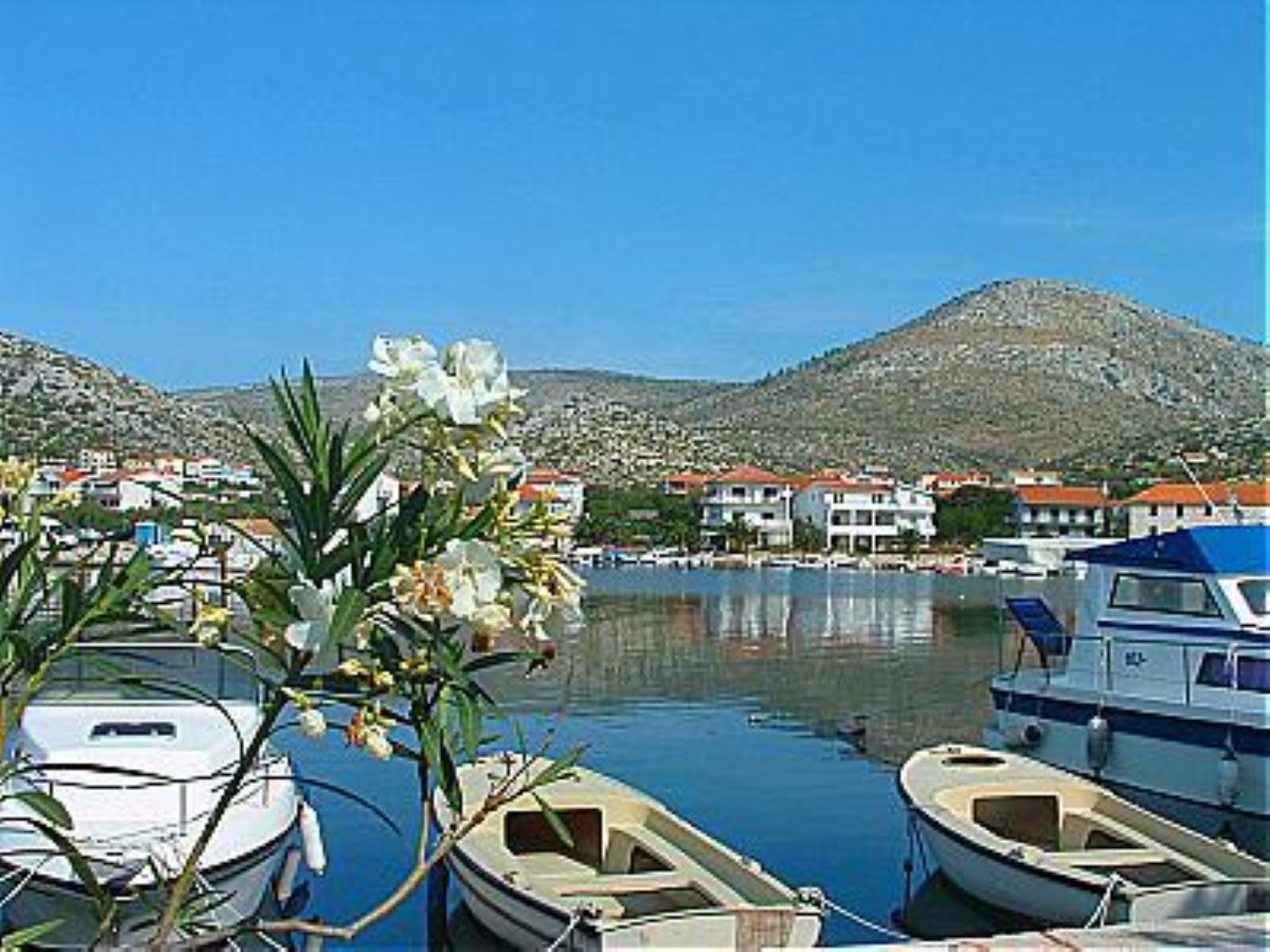
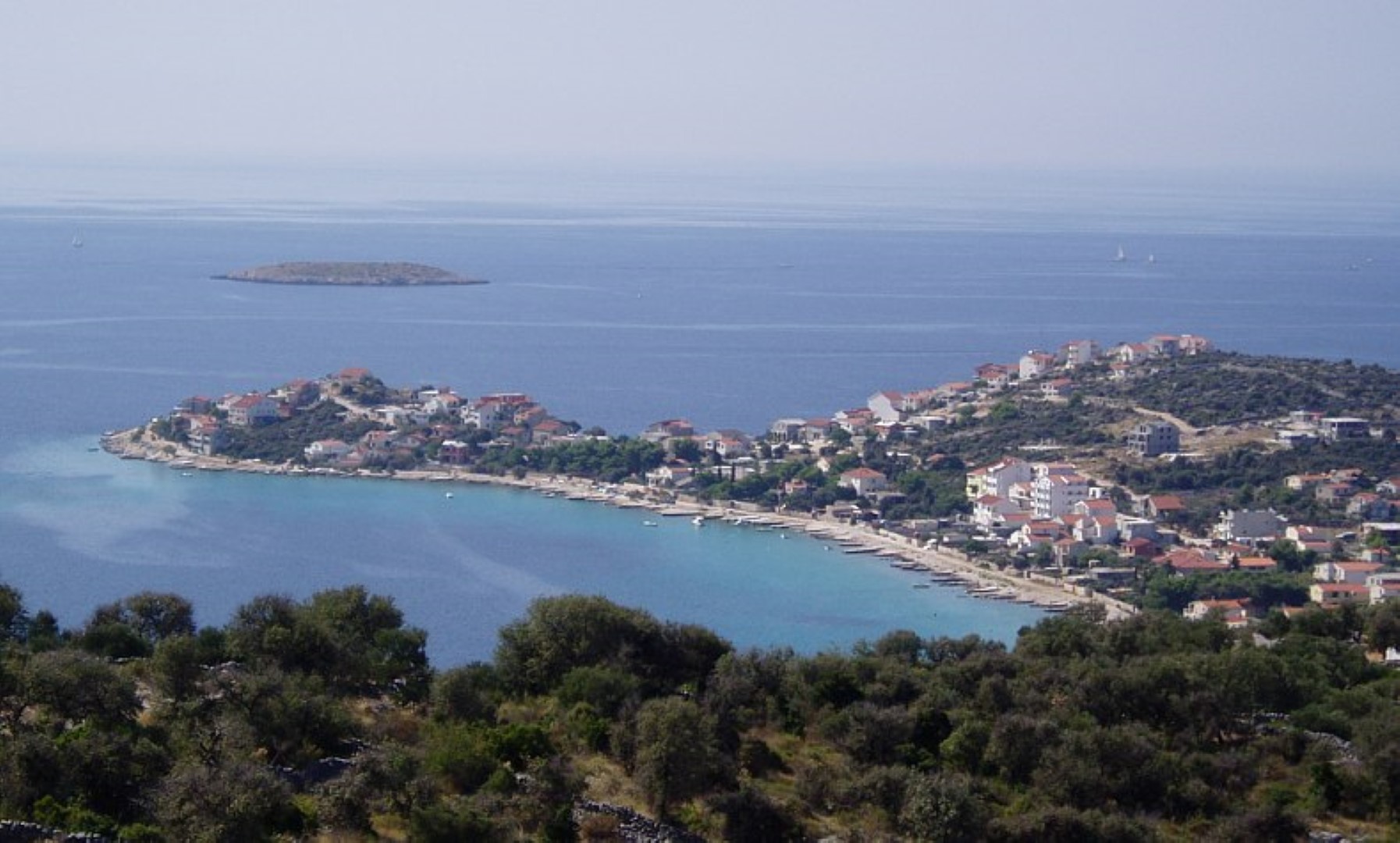
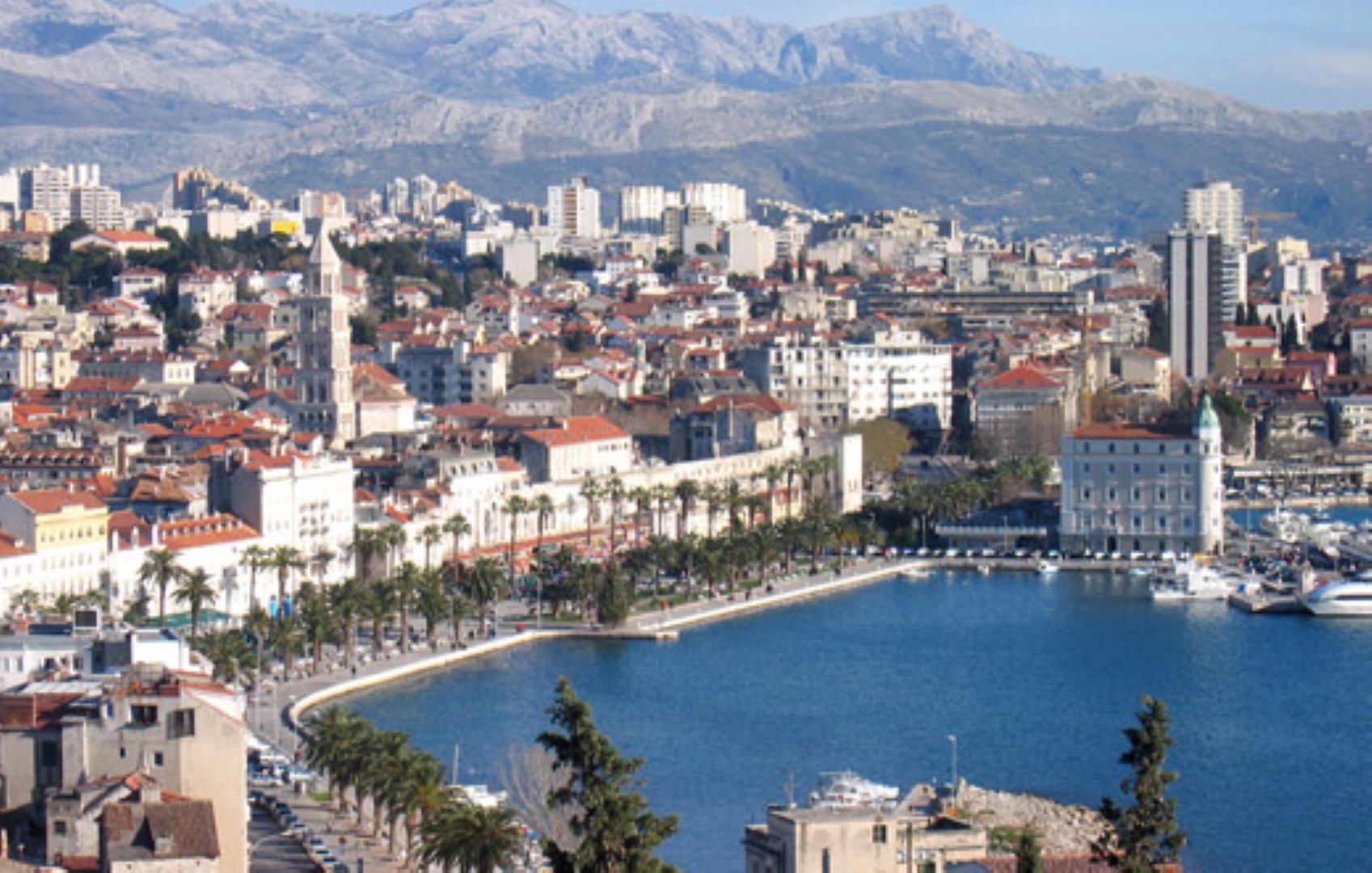
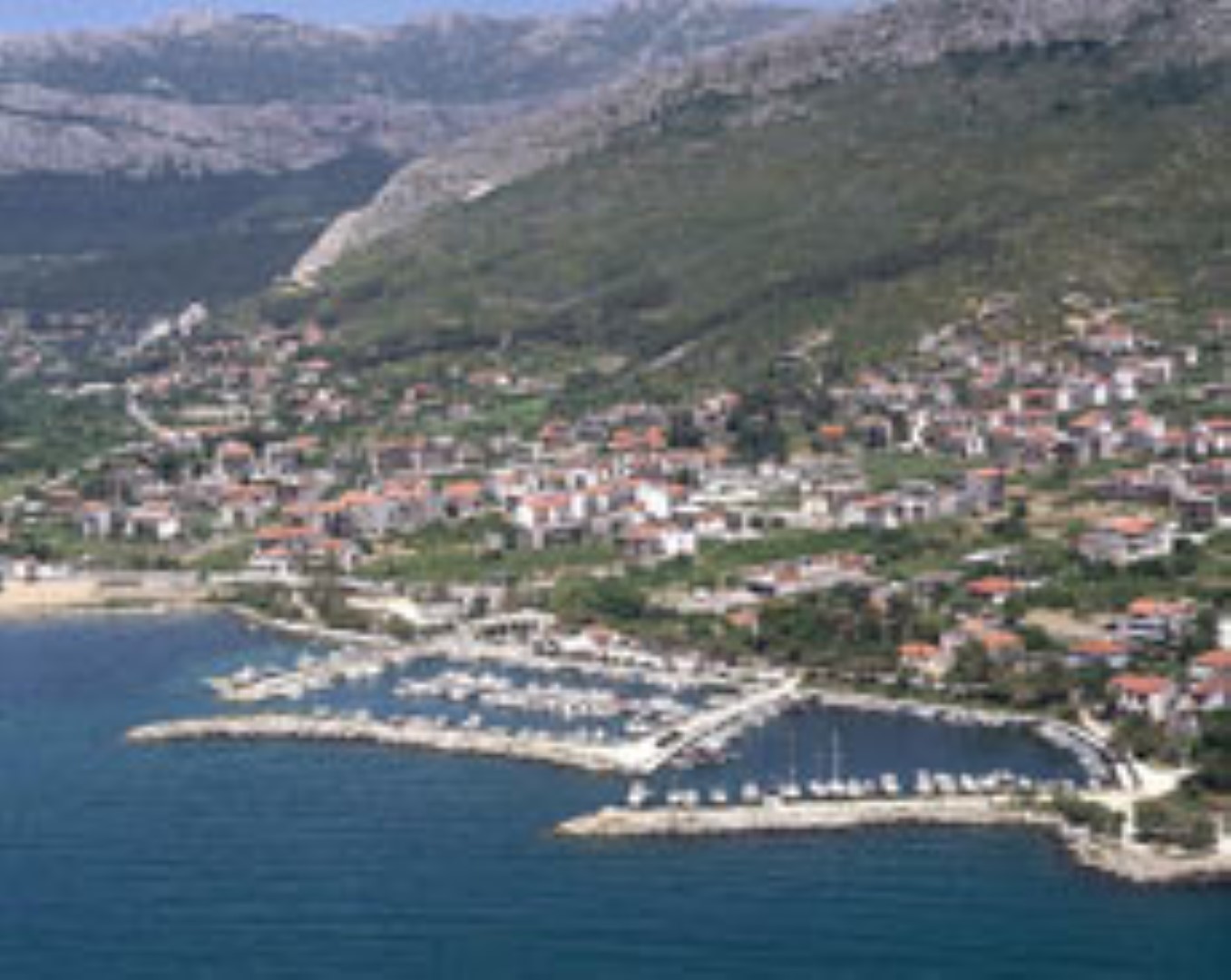
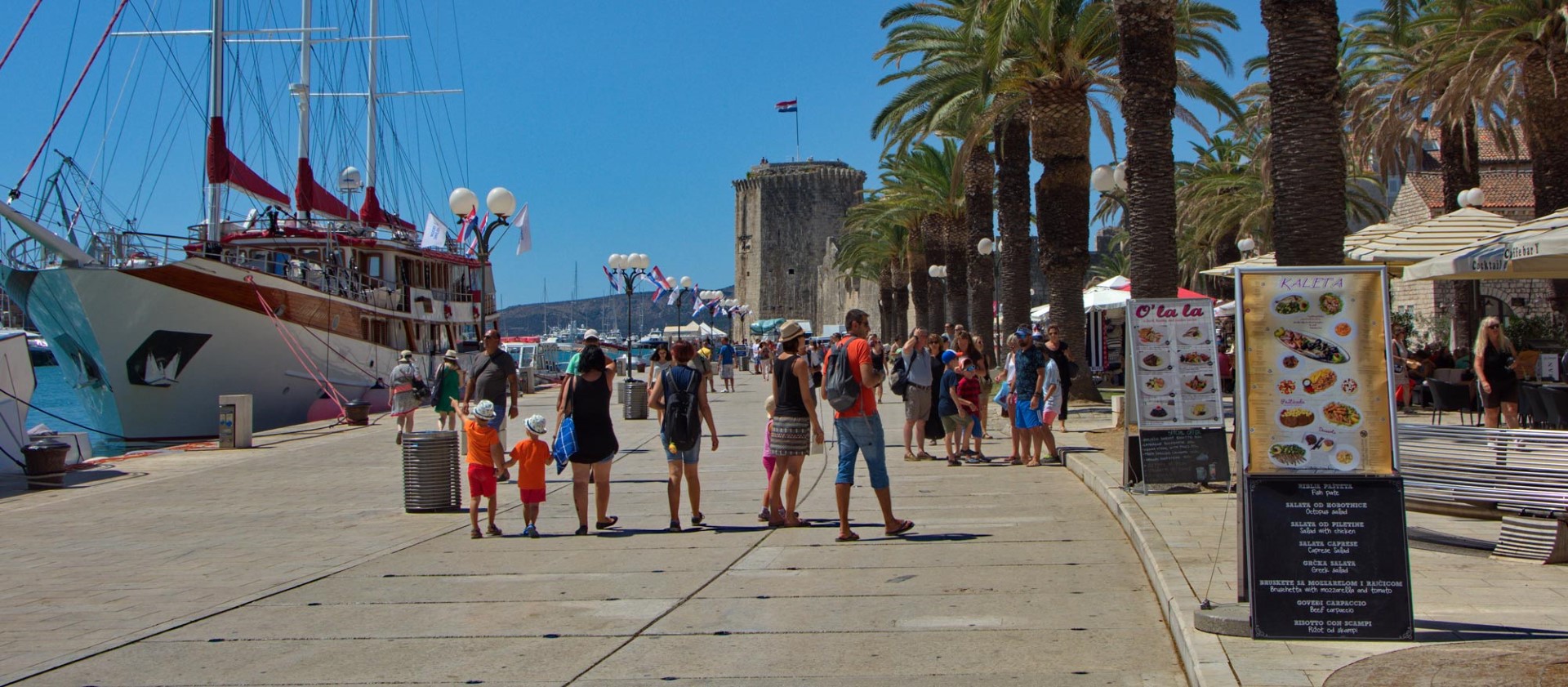
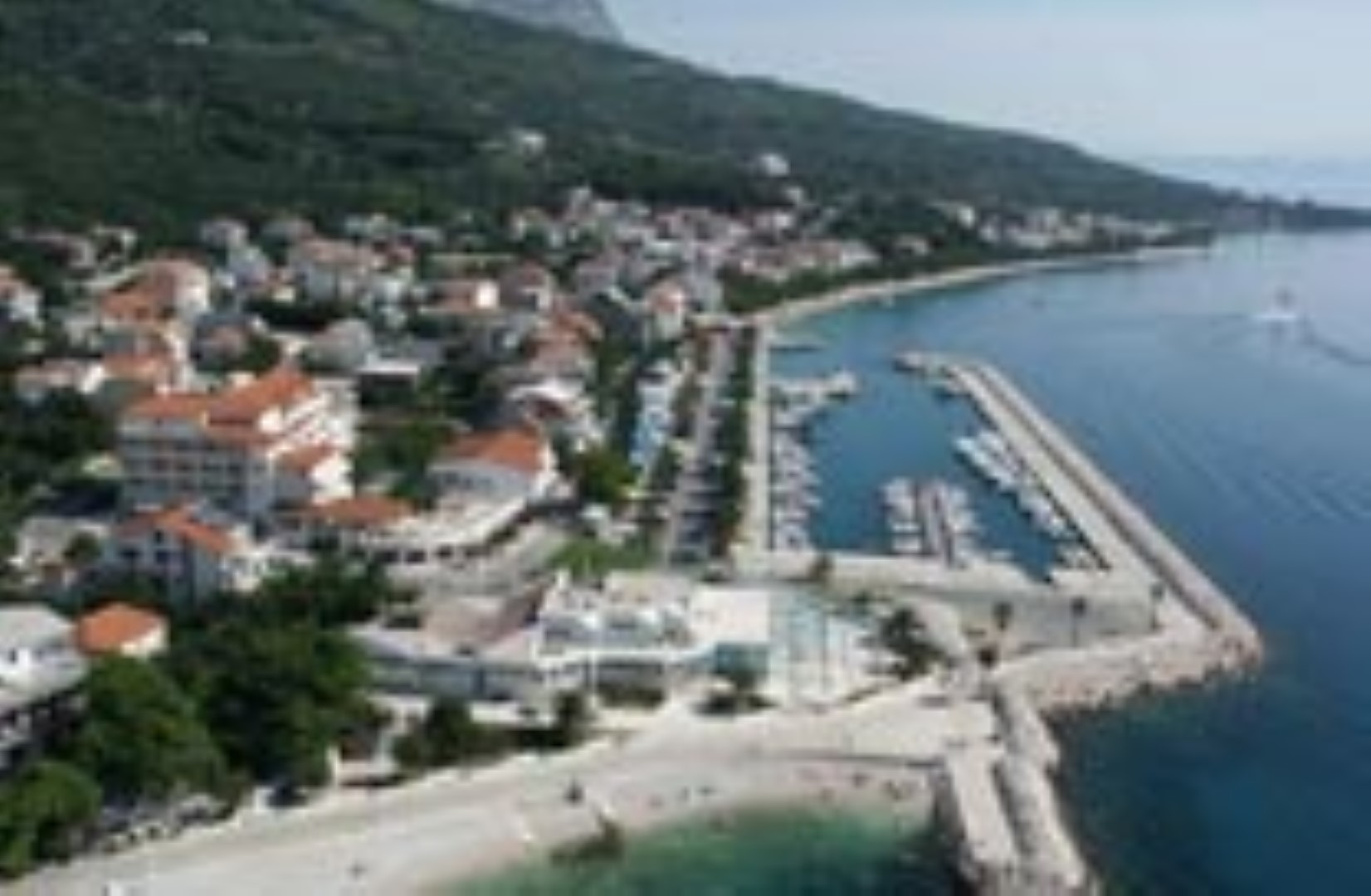
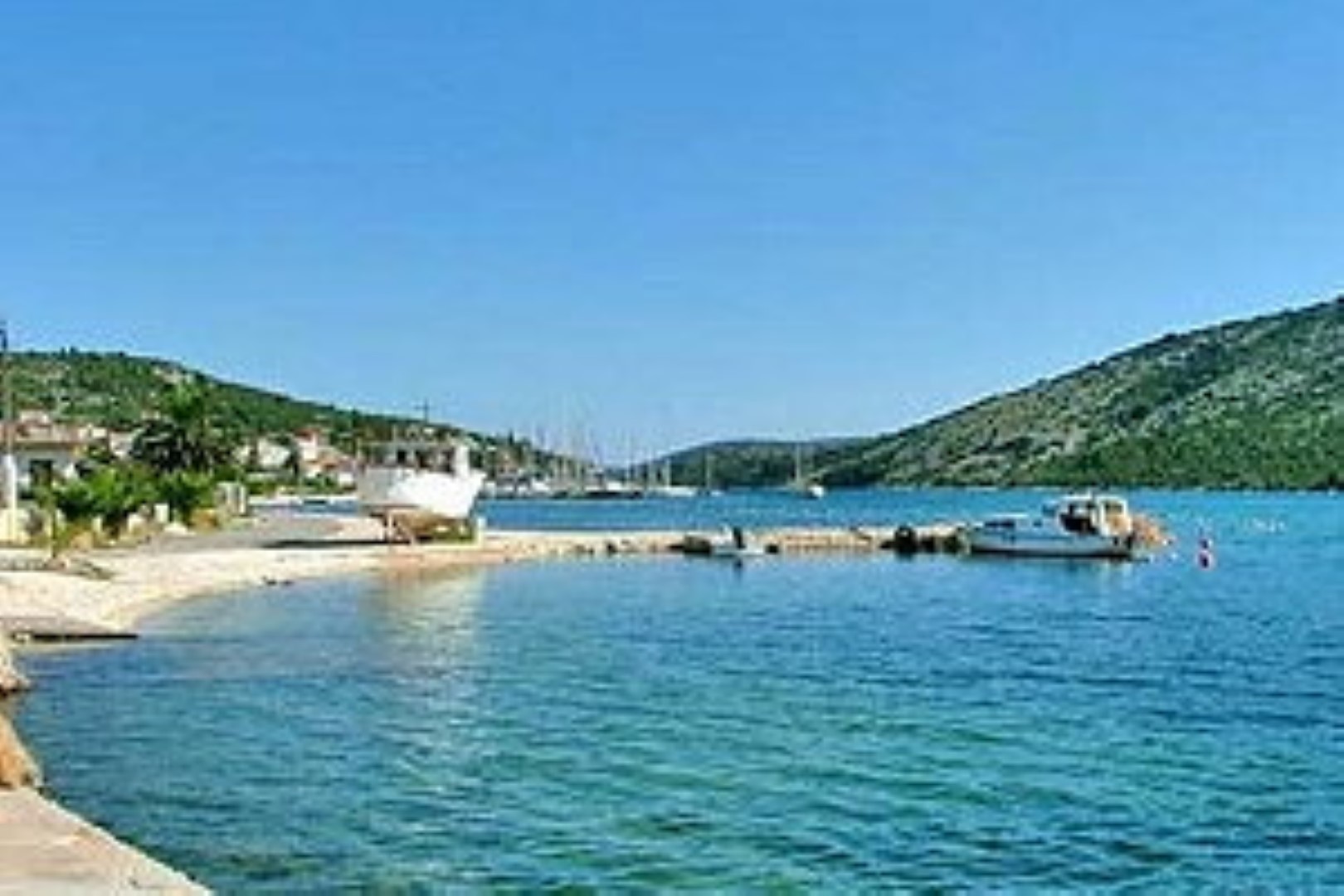
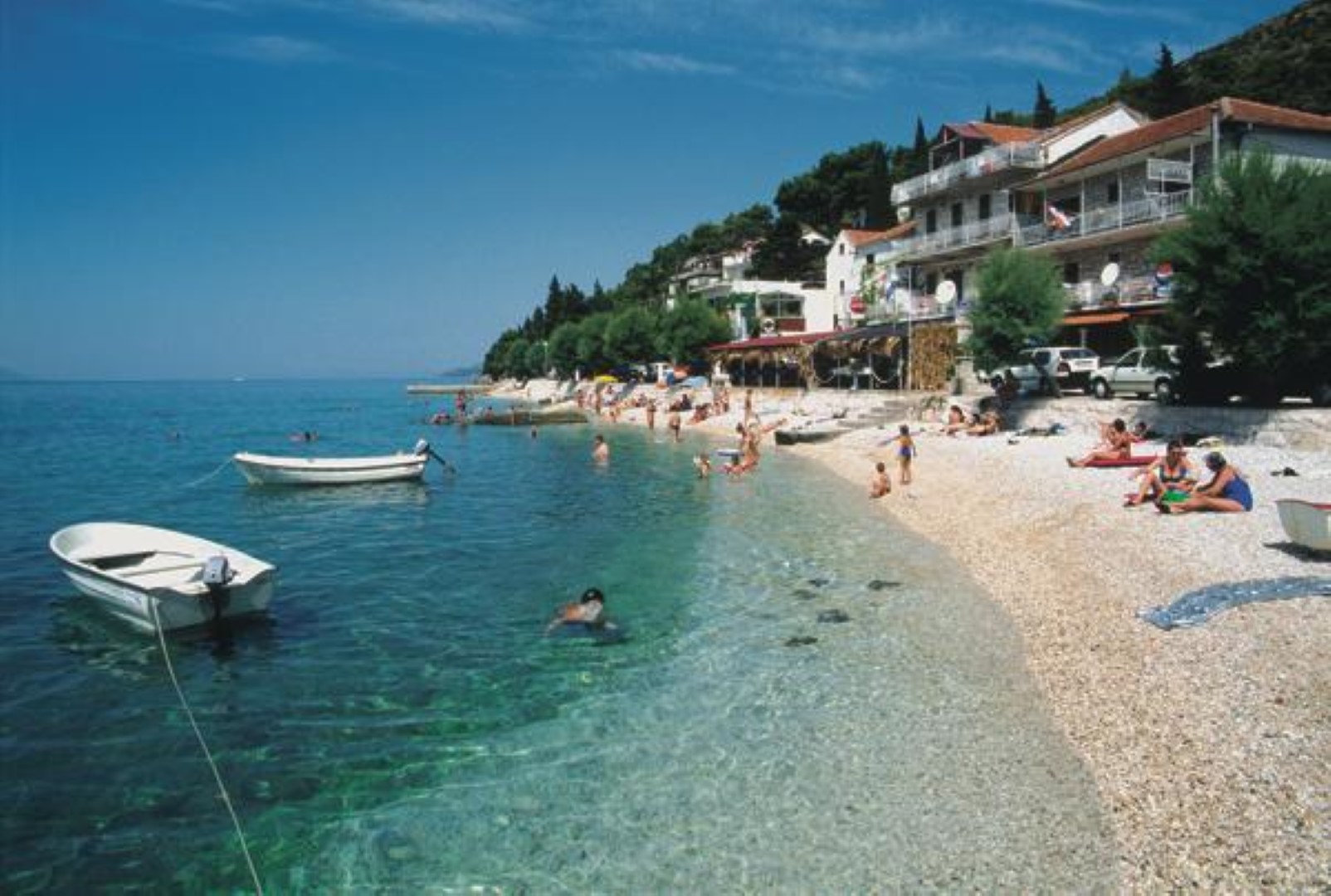
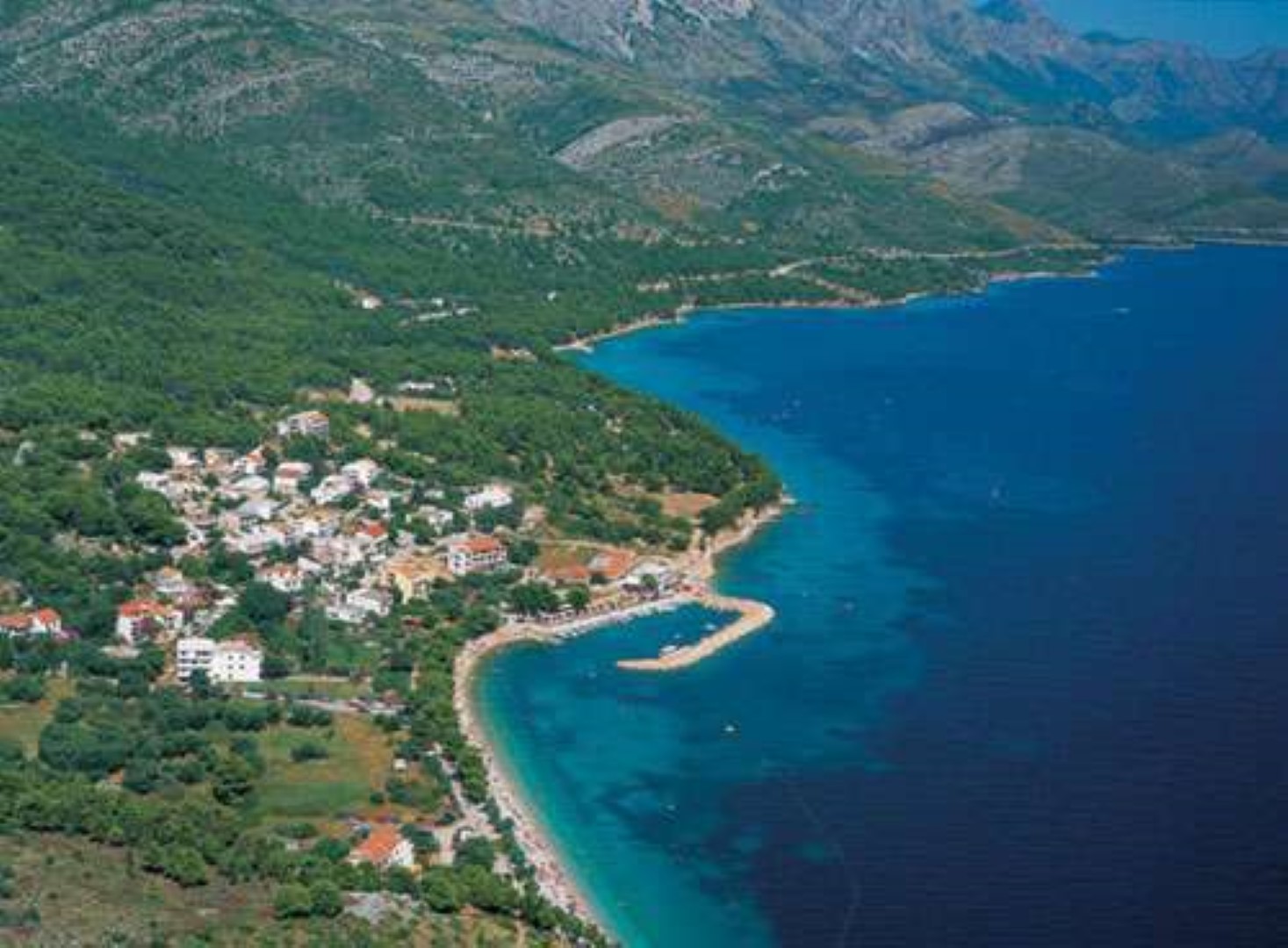
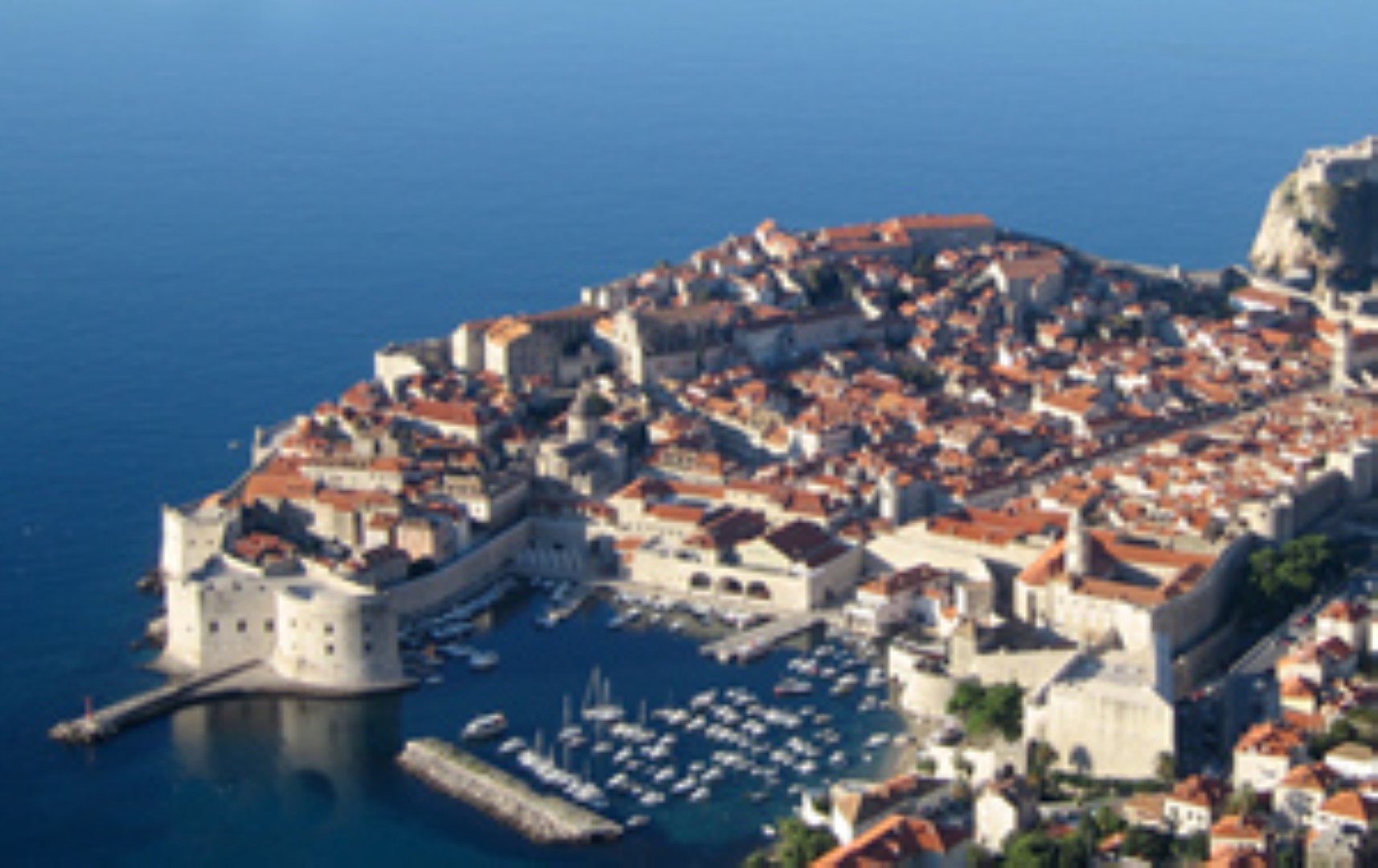
This medieval Adriatic city and treasure of Croatian cultural heritage is a living monument which with right carries the title of most luxurious Croatian tourist destination. Museums, historical attractions, luxury villas and five stars hotels will suit all needs of even most demanding guests.
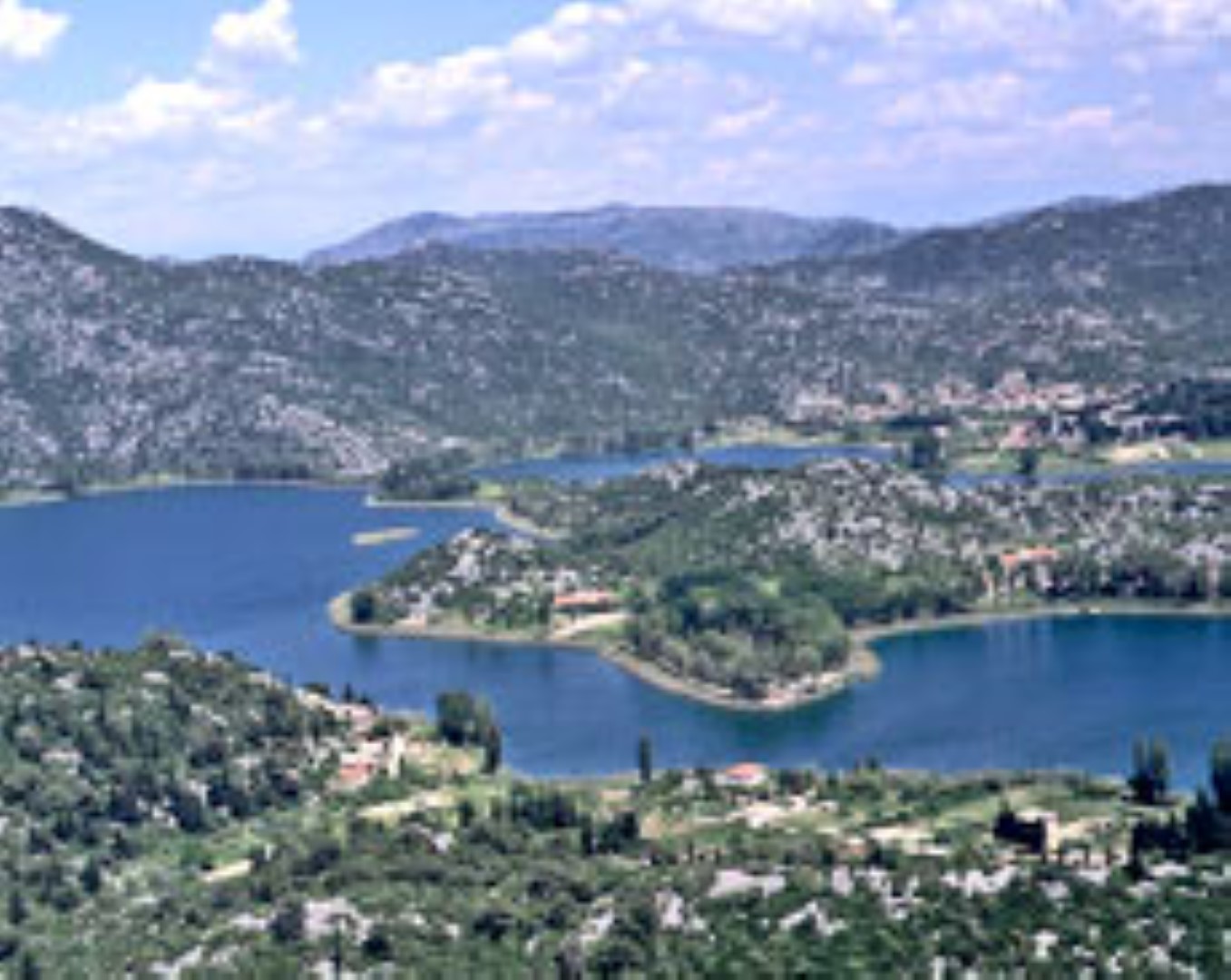
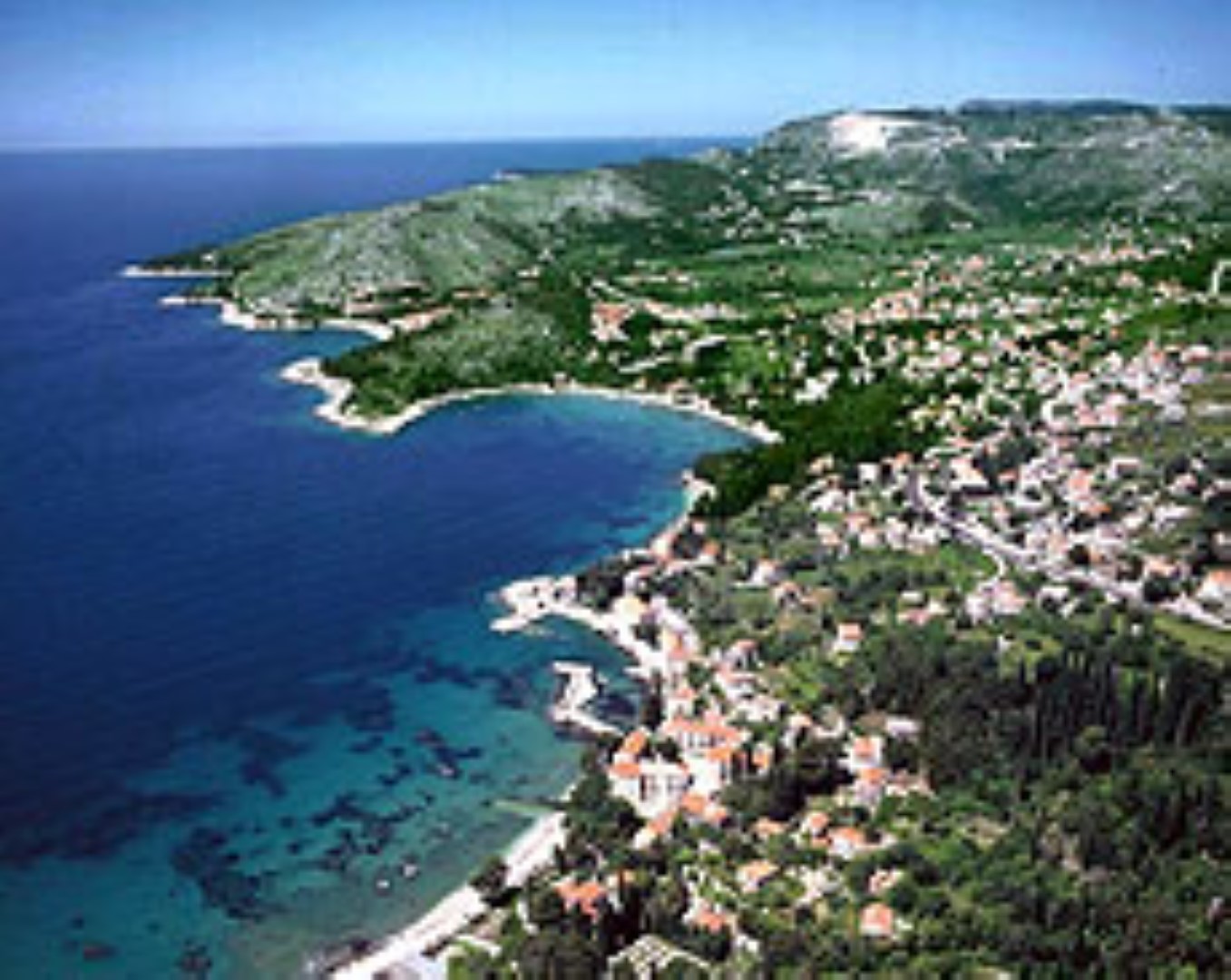
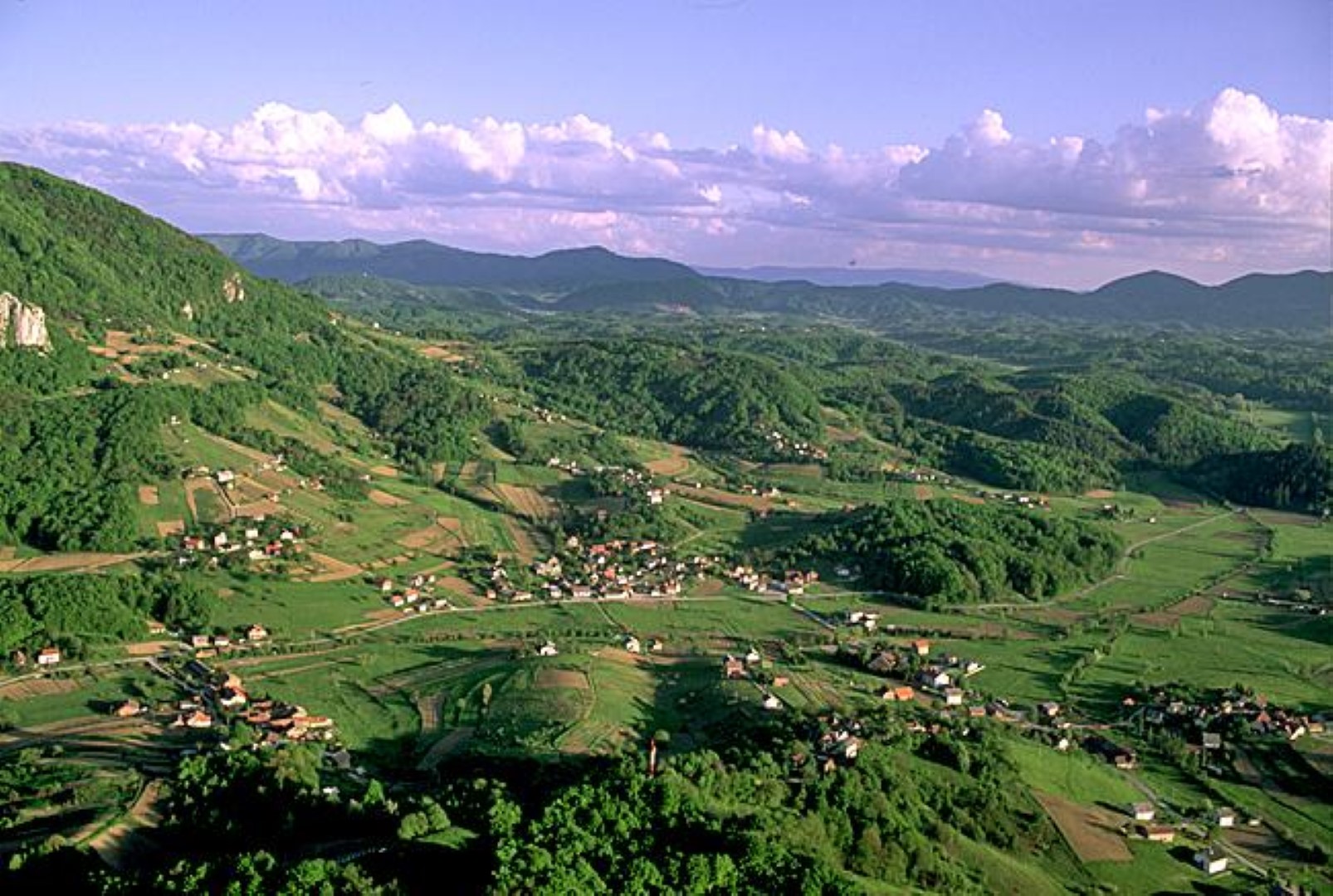
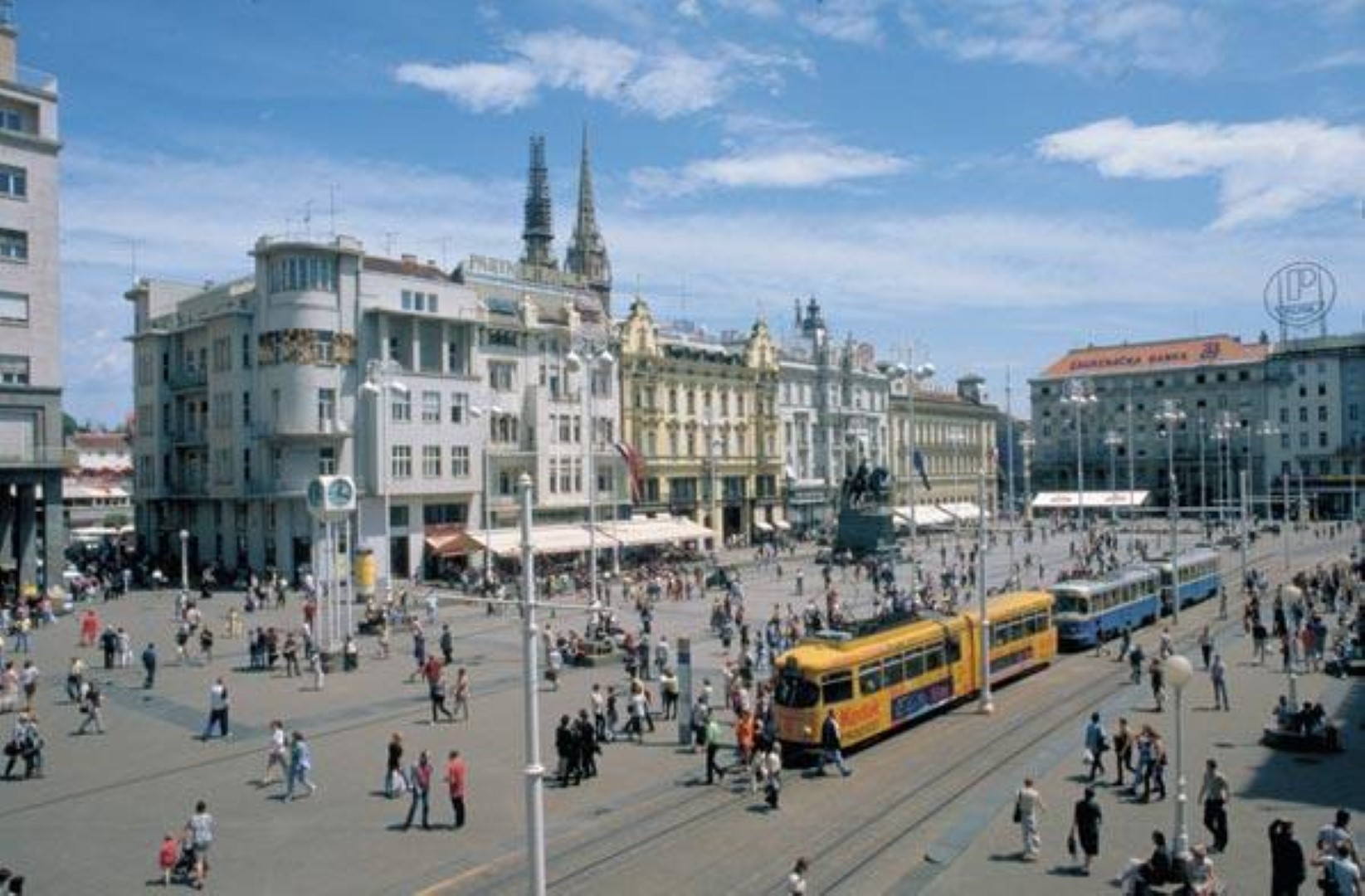
As capitol of Croatia, Zagreb holds the title of strong business and cultural center. Zagreb region, beside all that Zagreb offers will surprise you with numerous old castles, ski resorts, recreation centers and excellent accommodation offer.
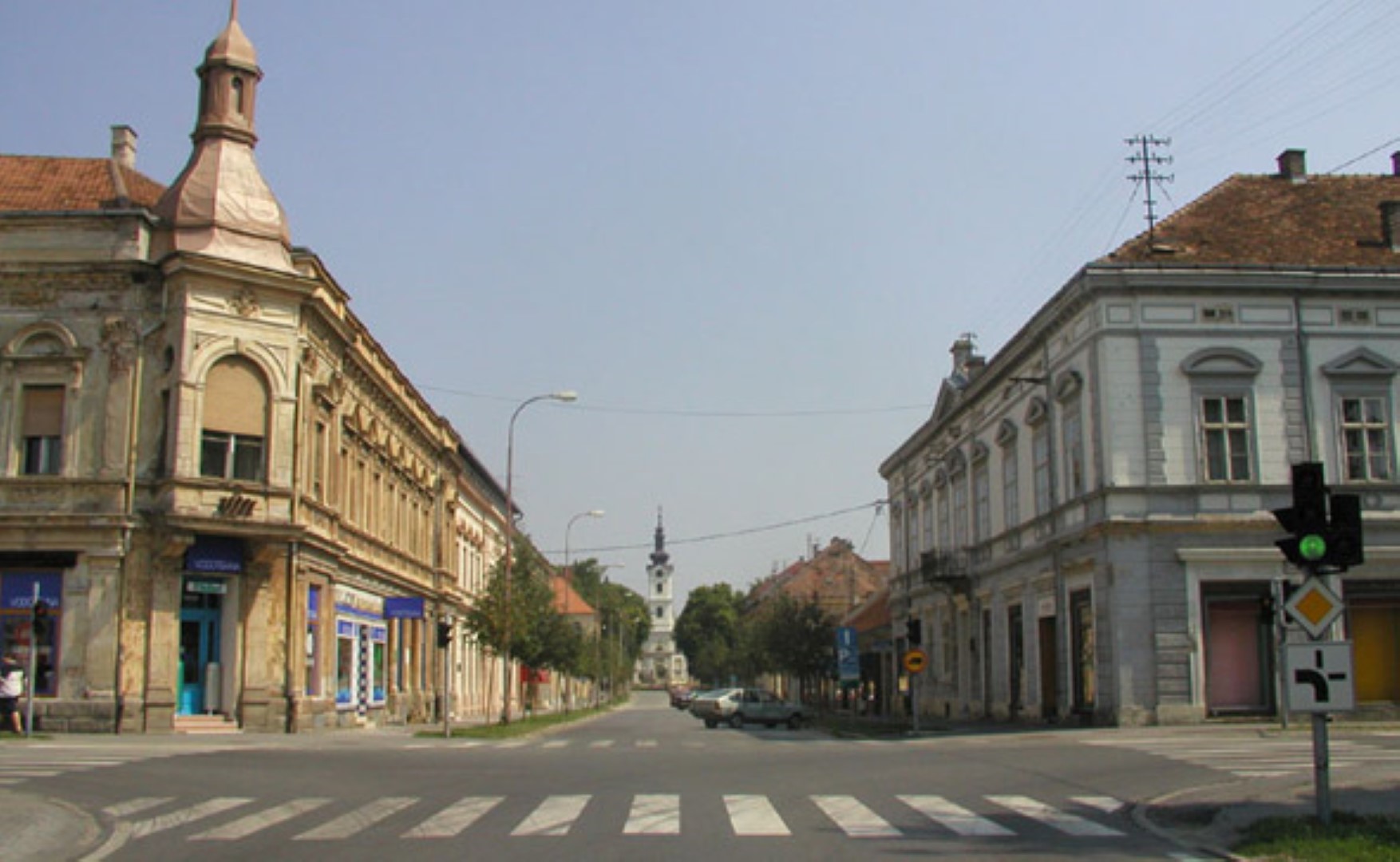
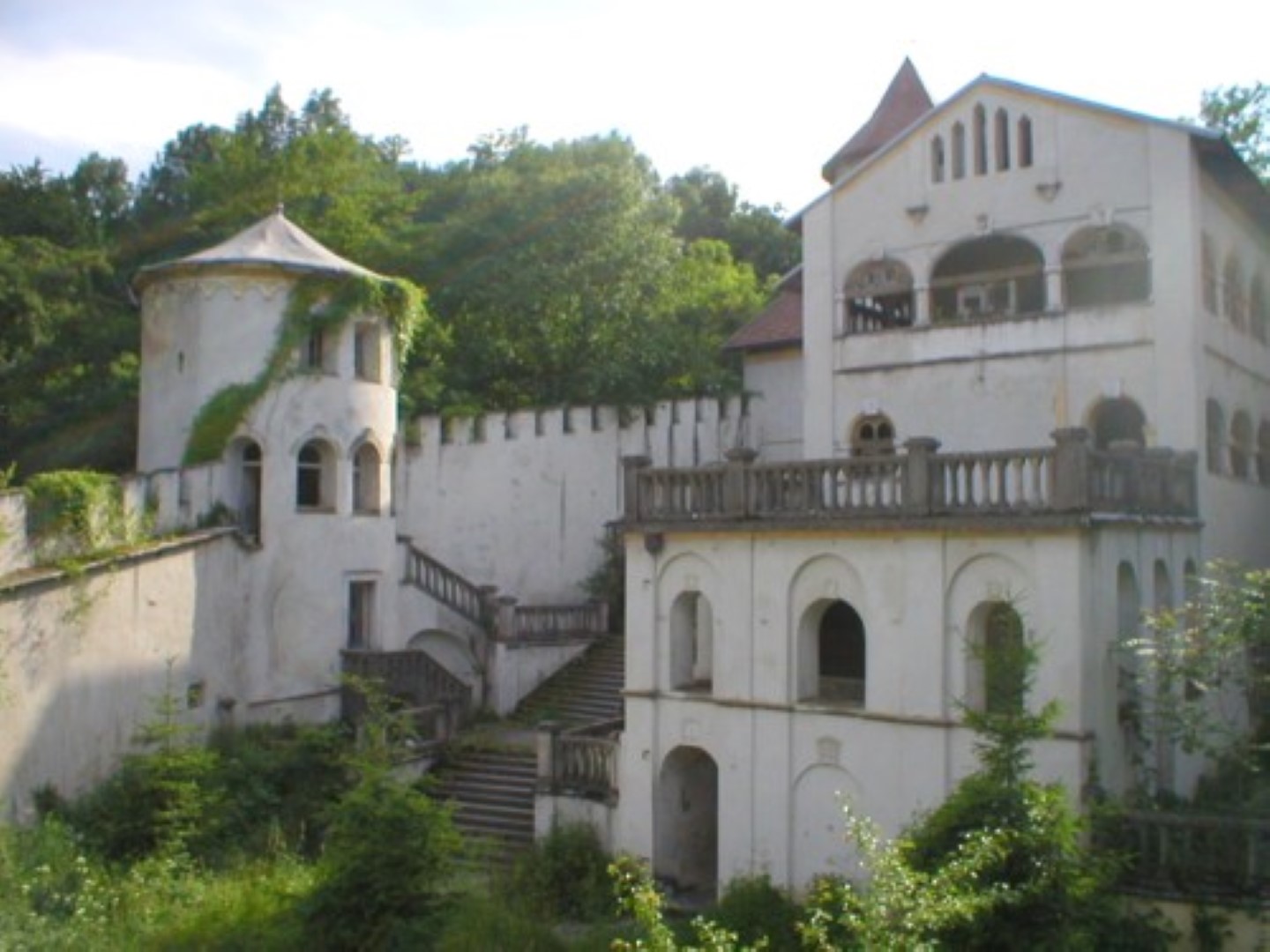
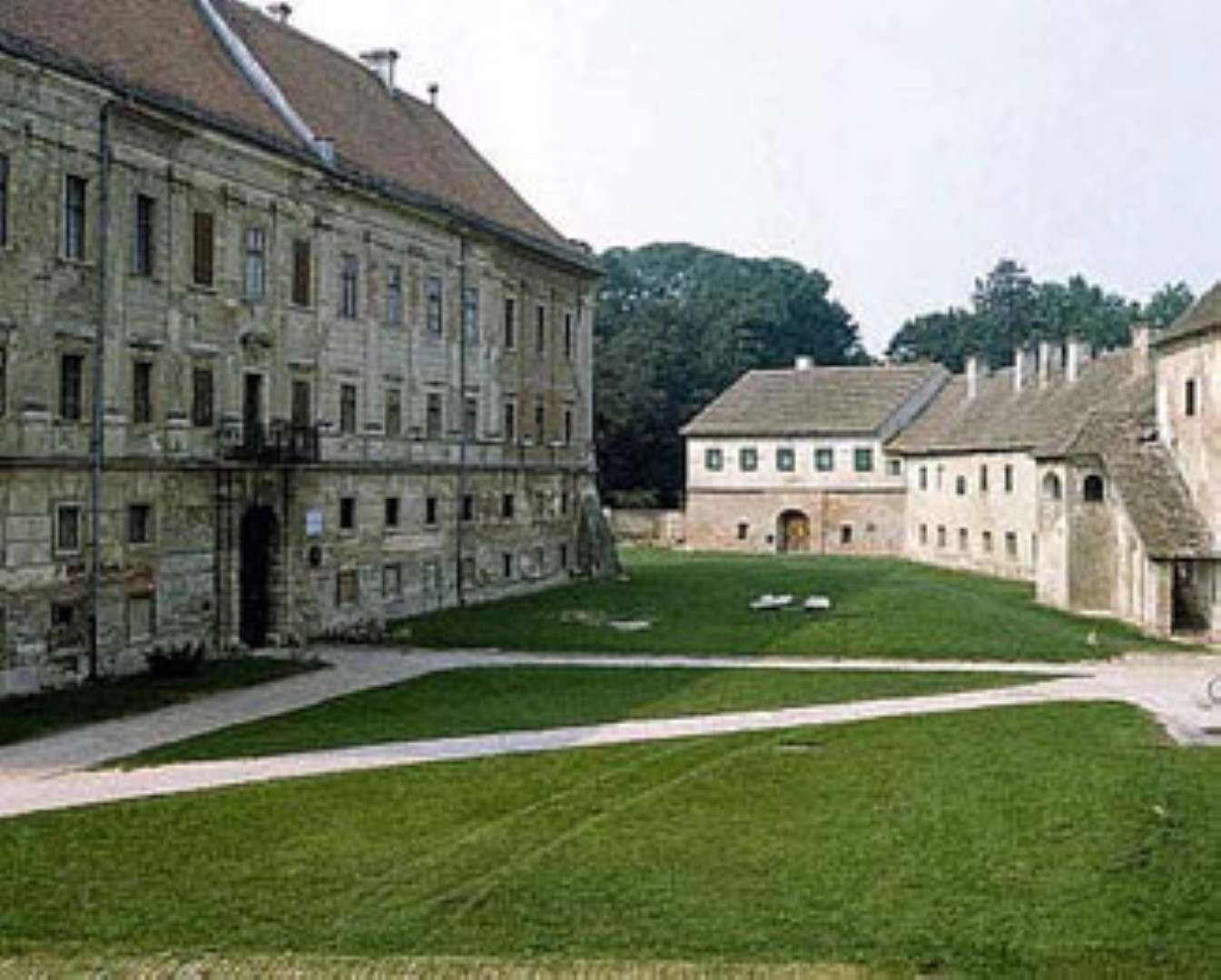
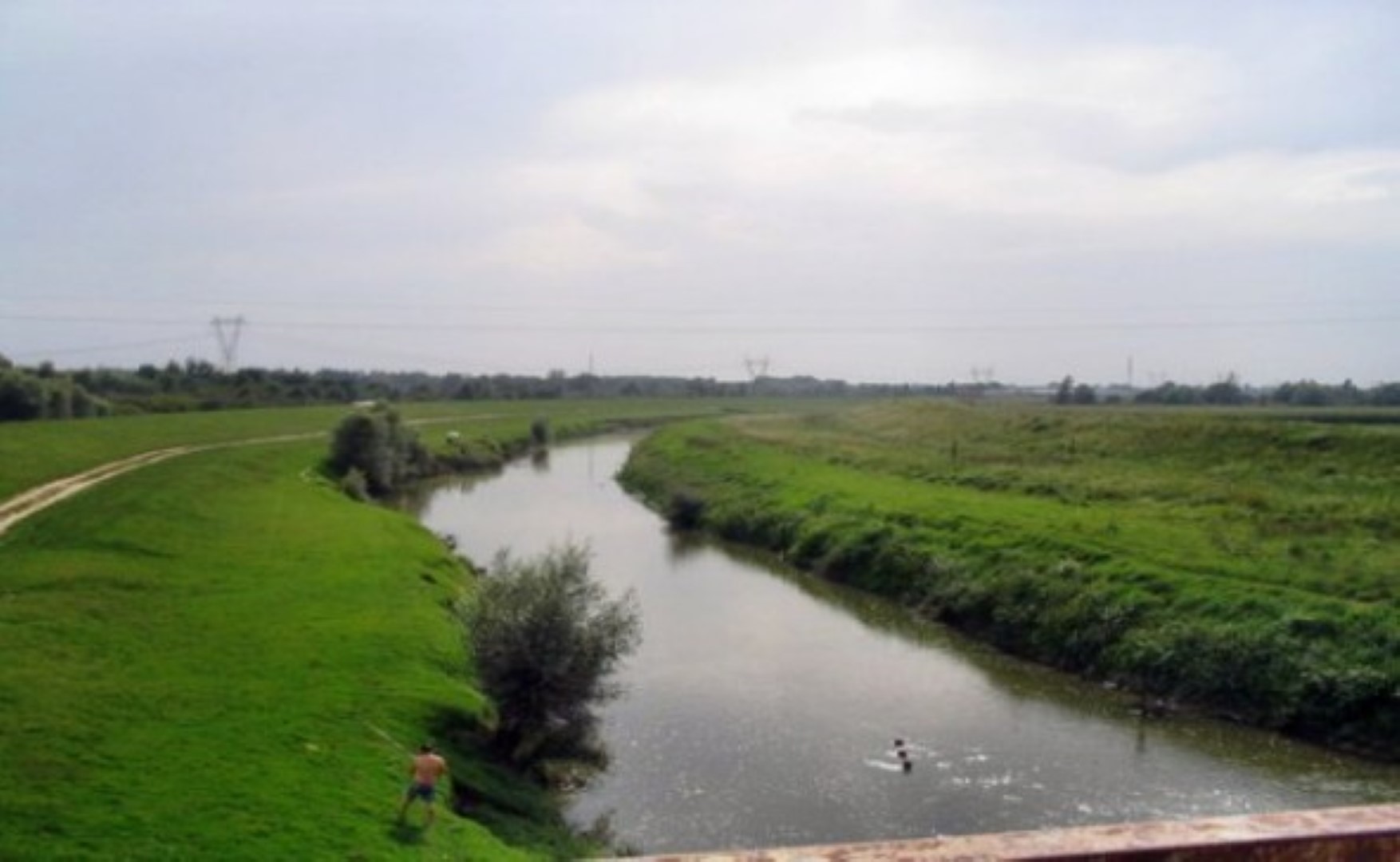
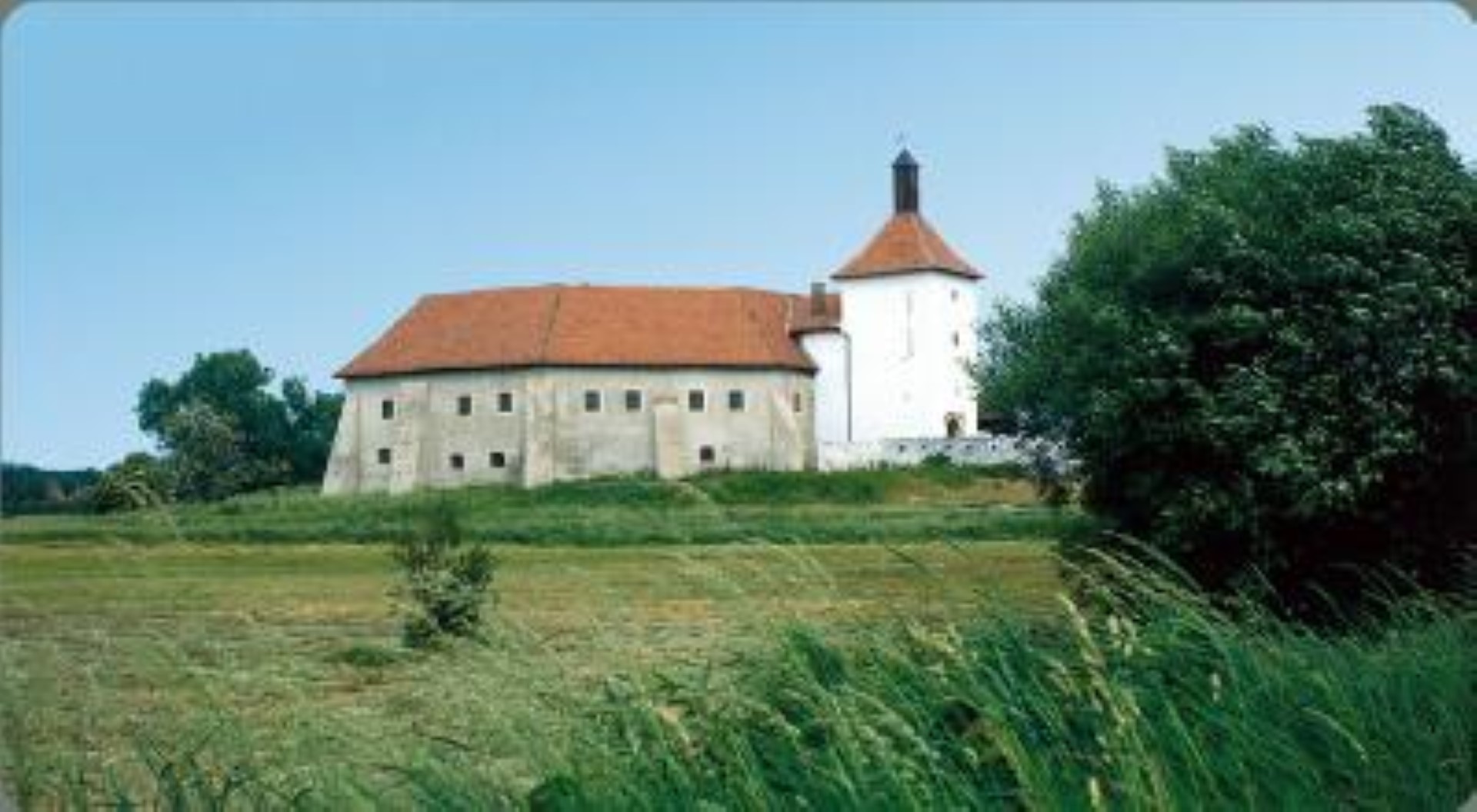
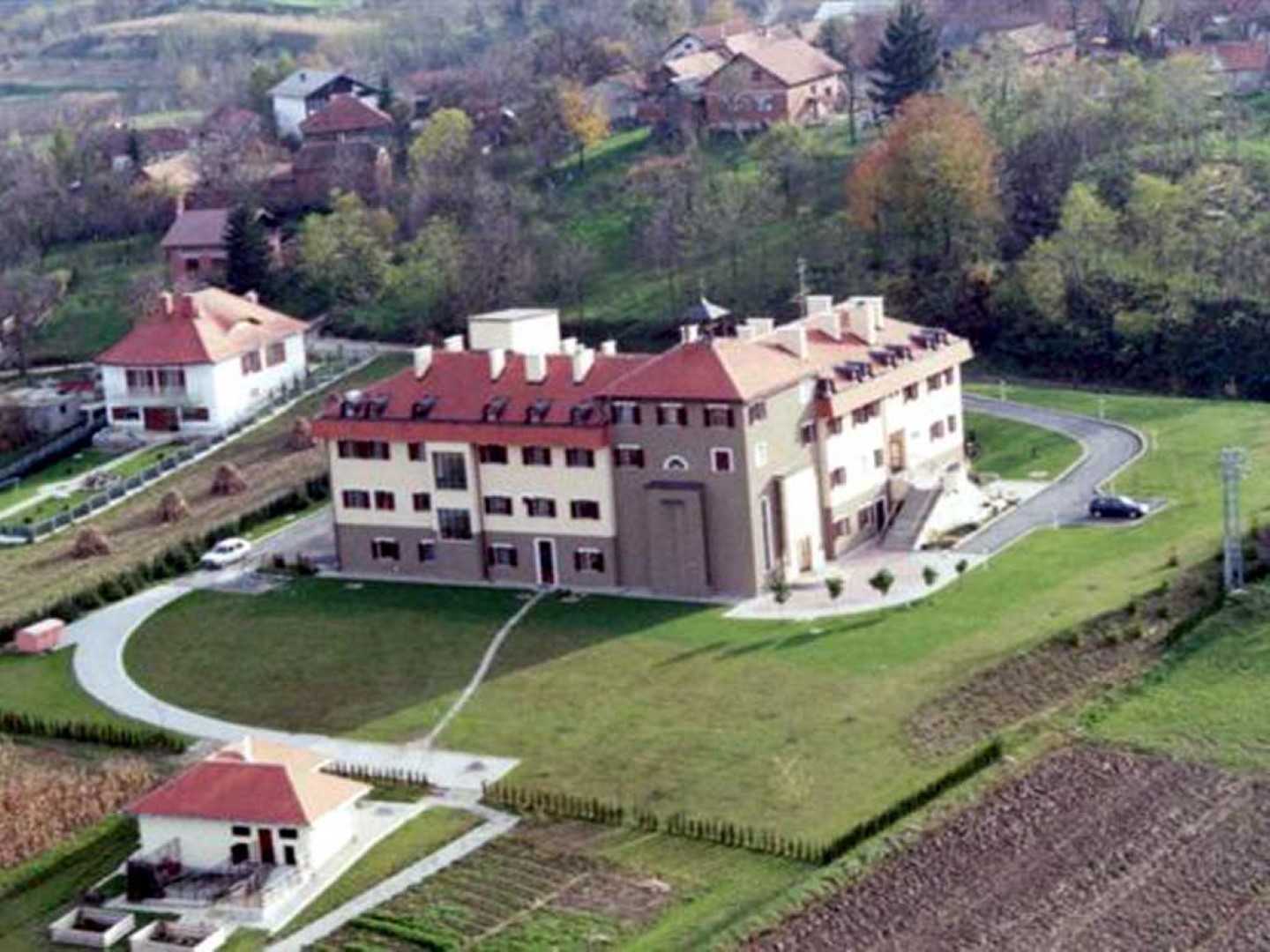
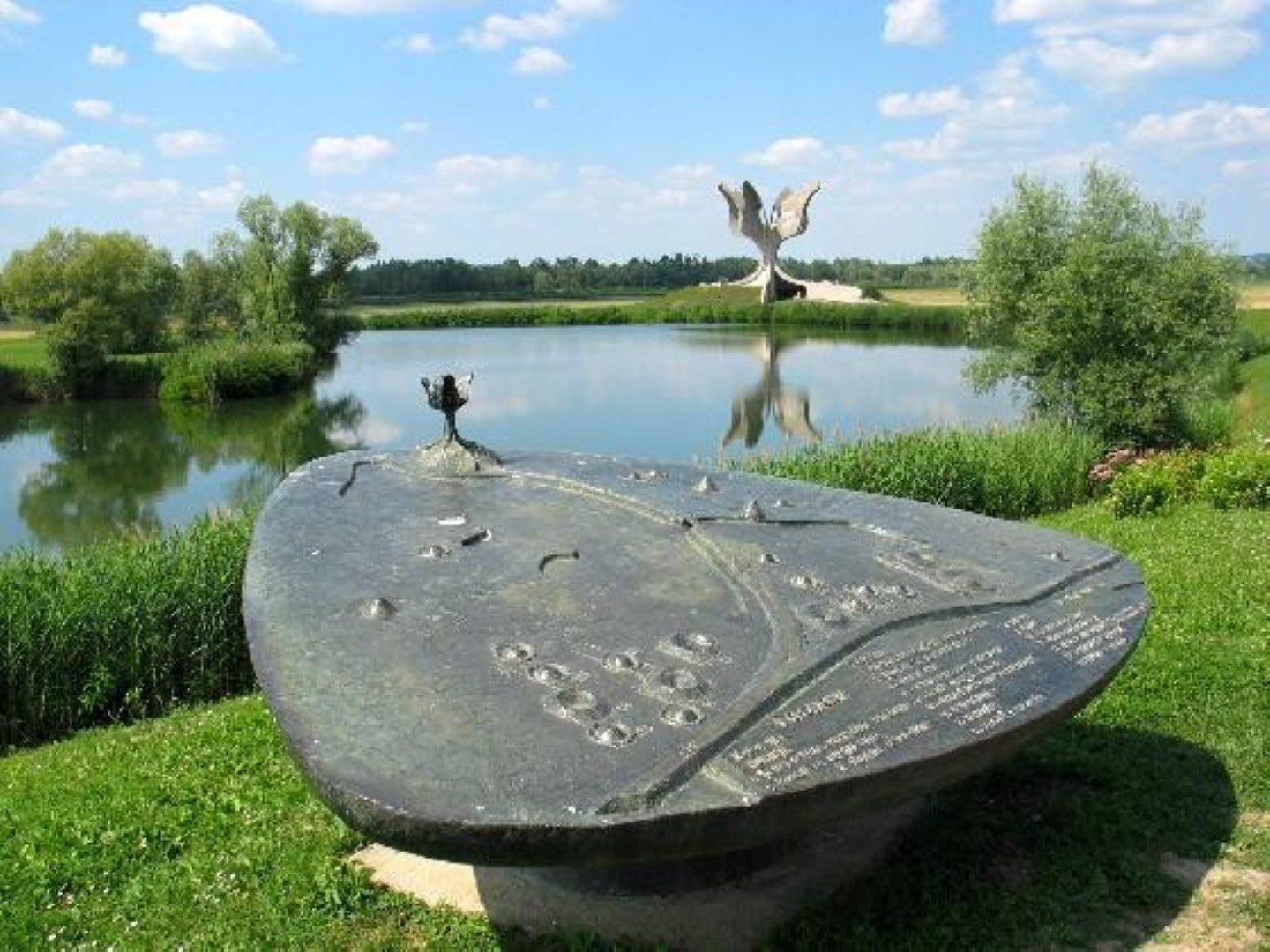
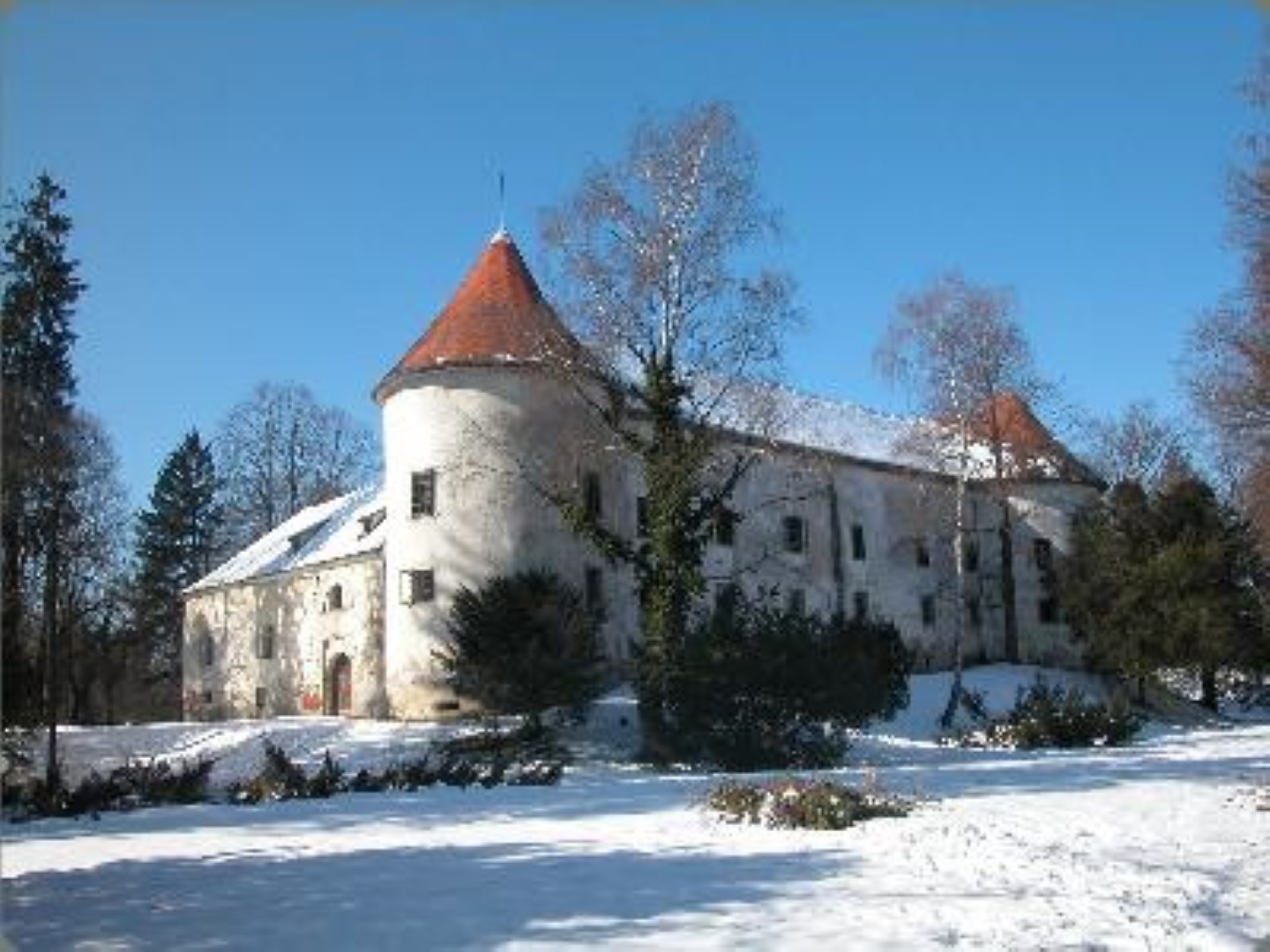
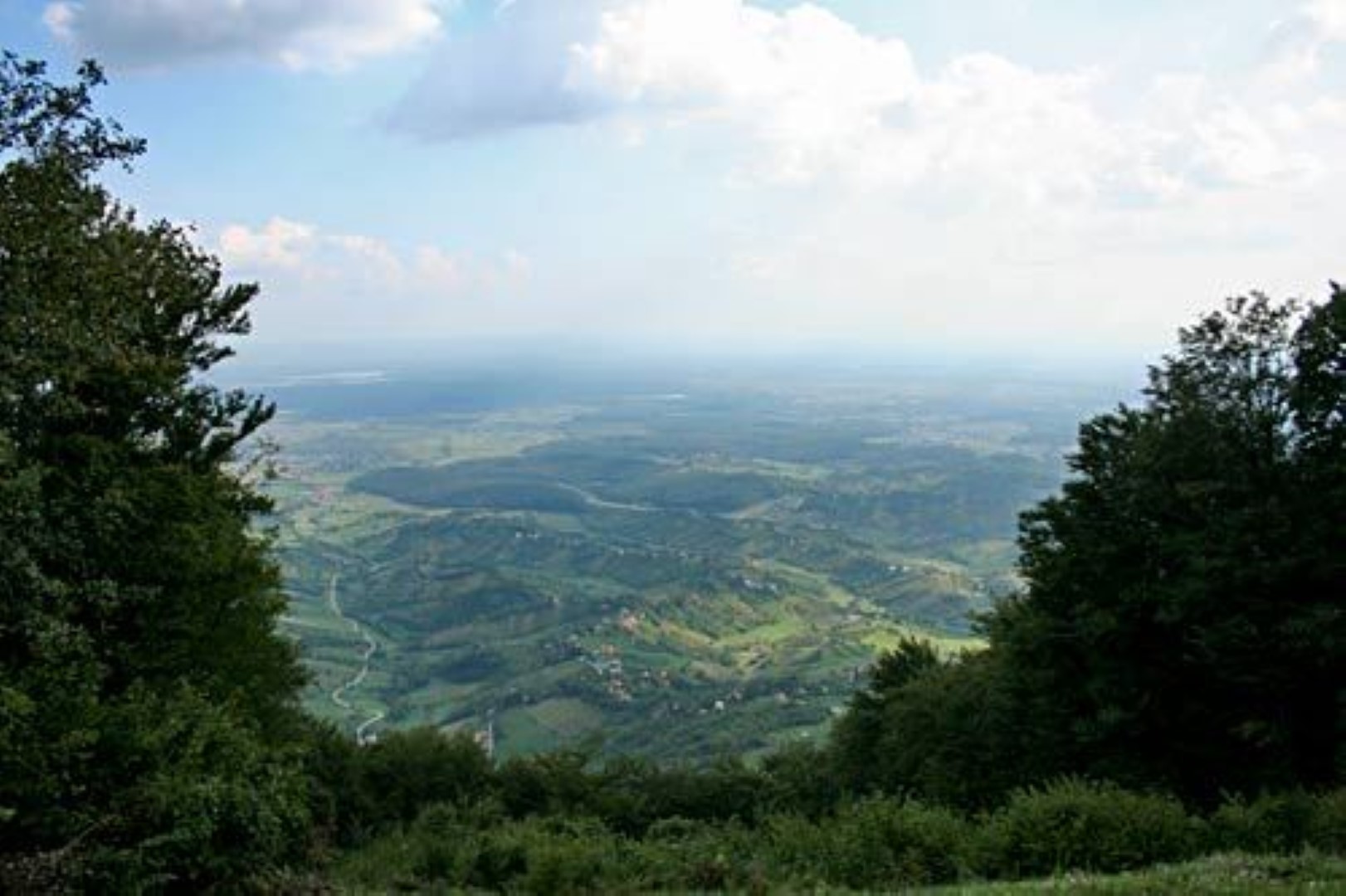
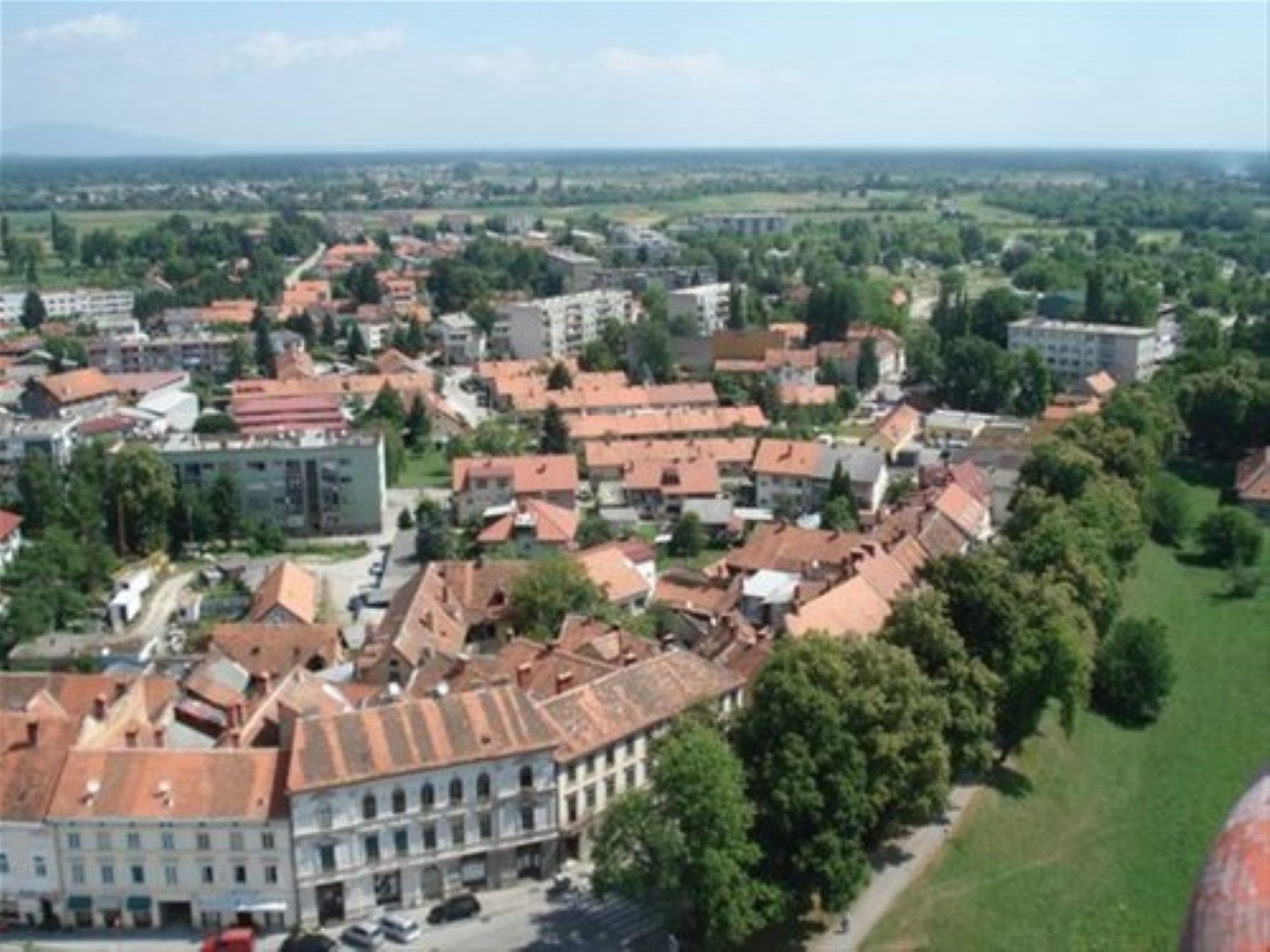
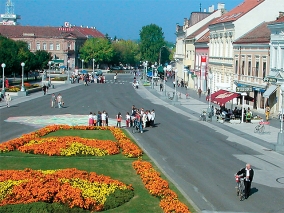
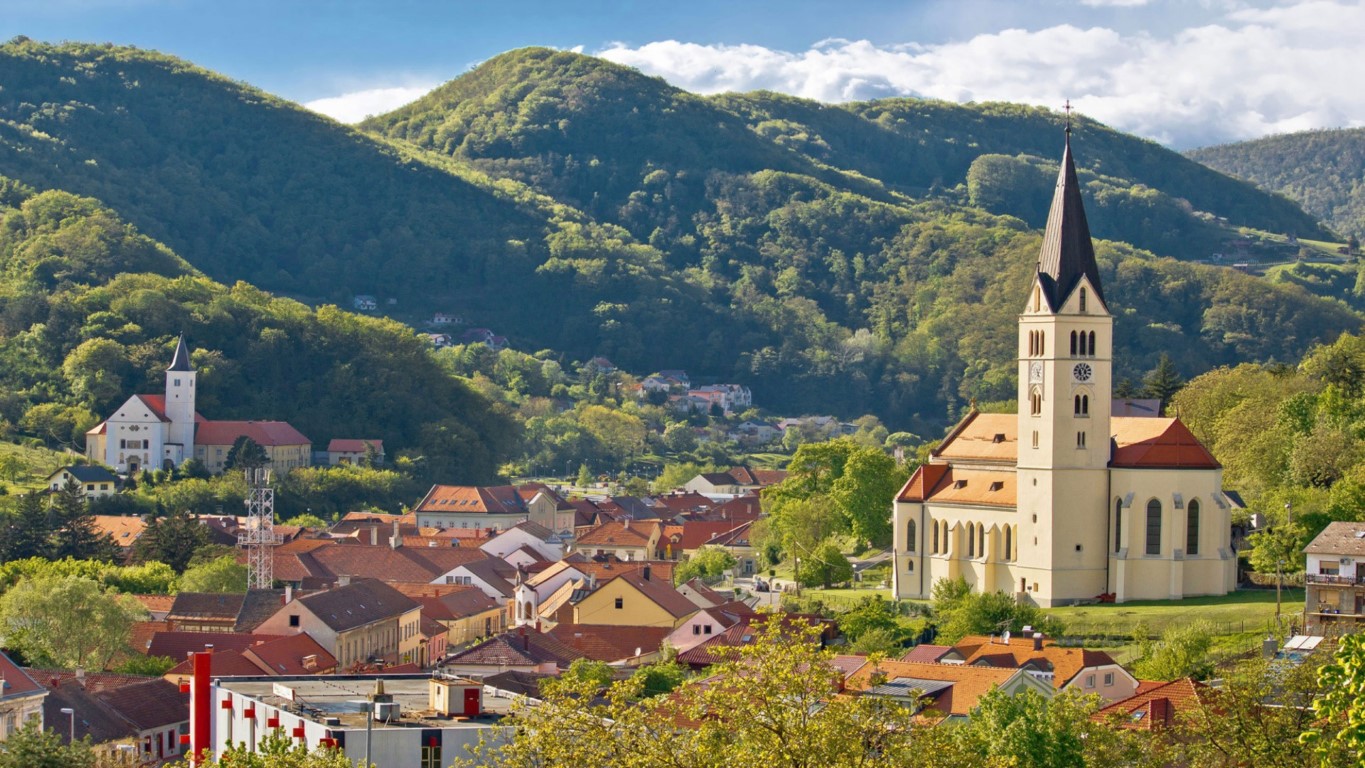
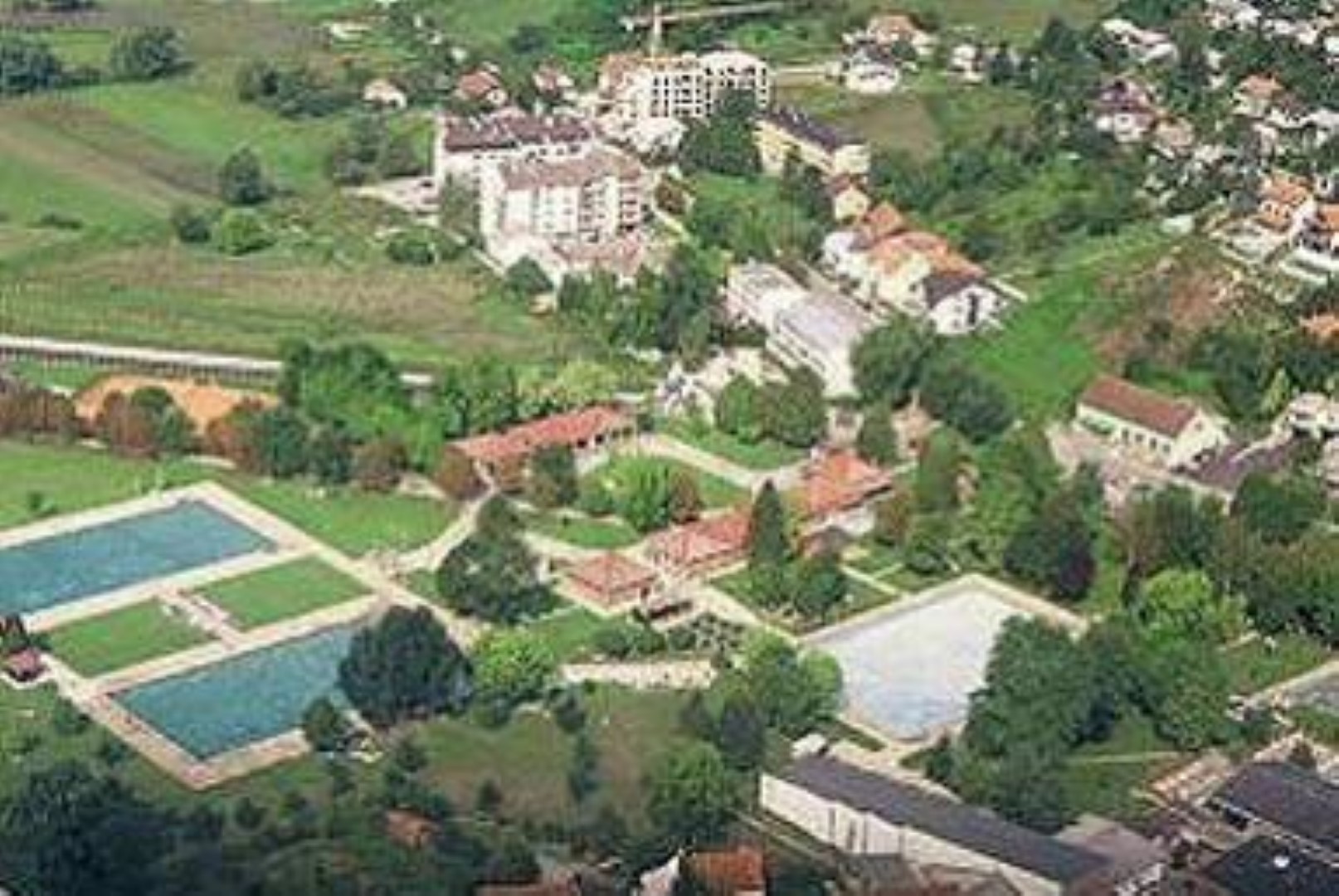
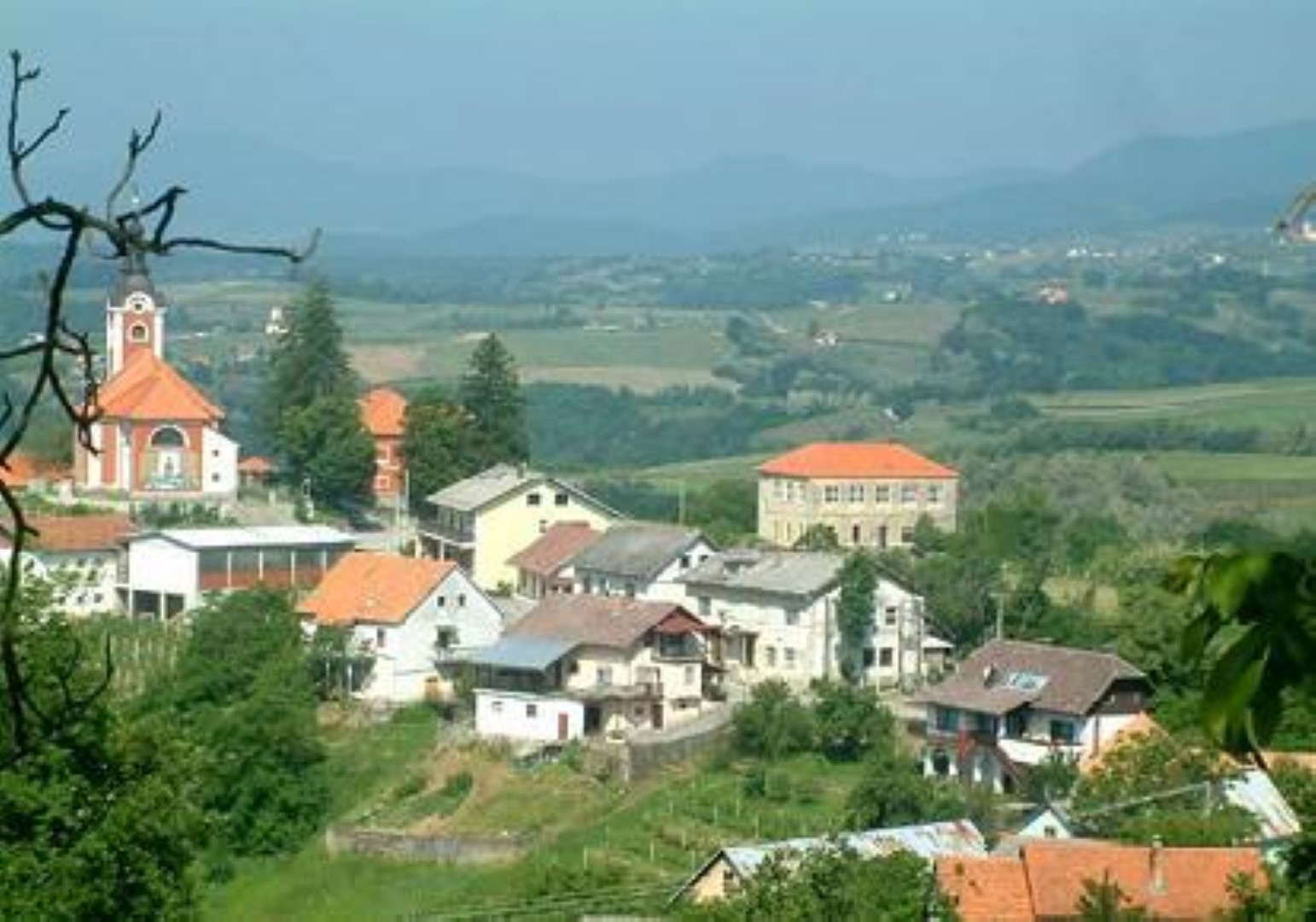
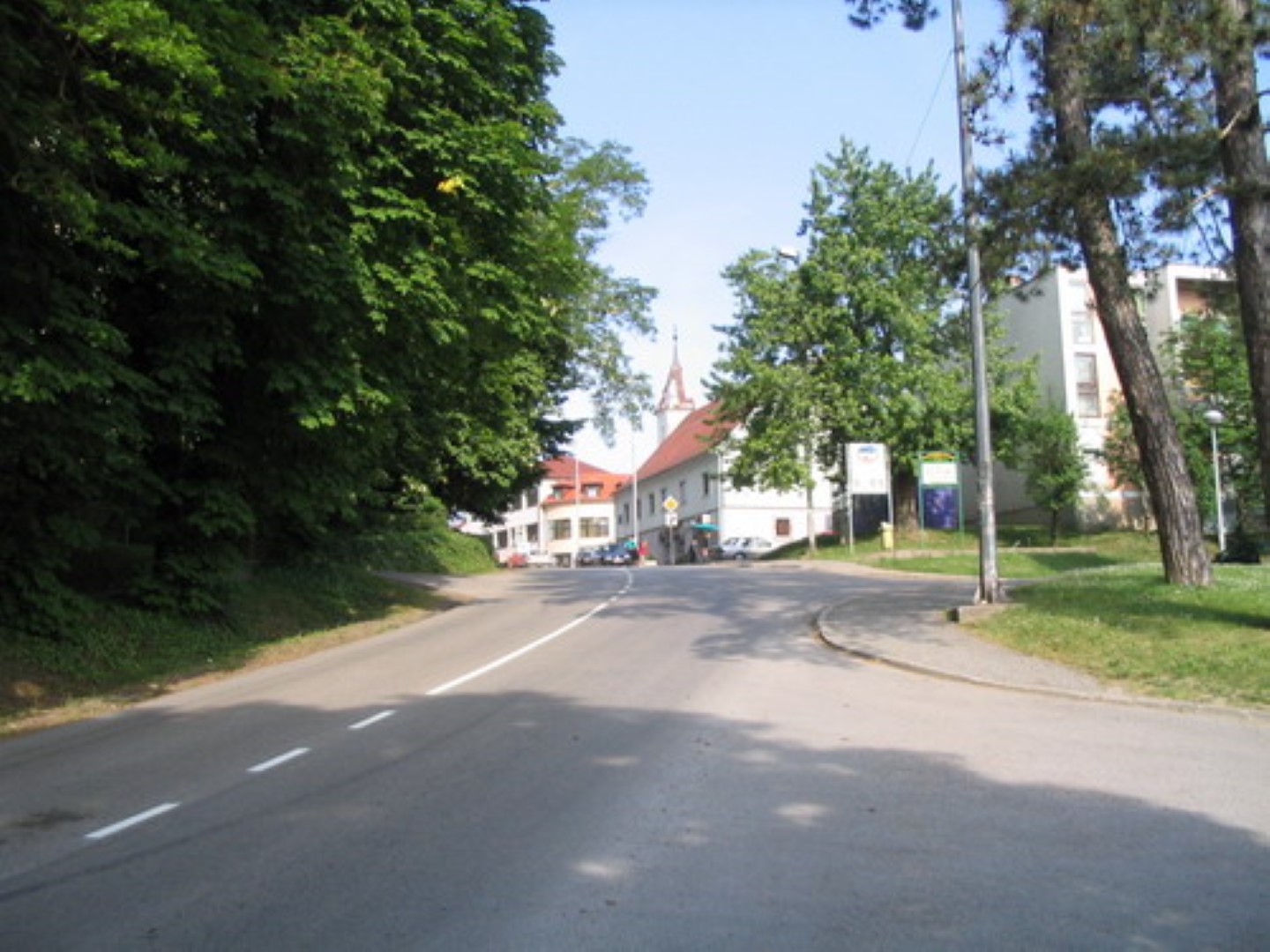
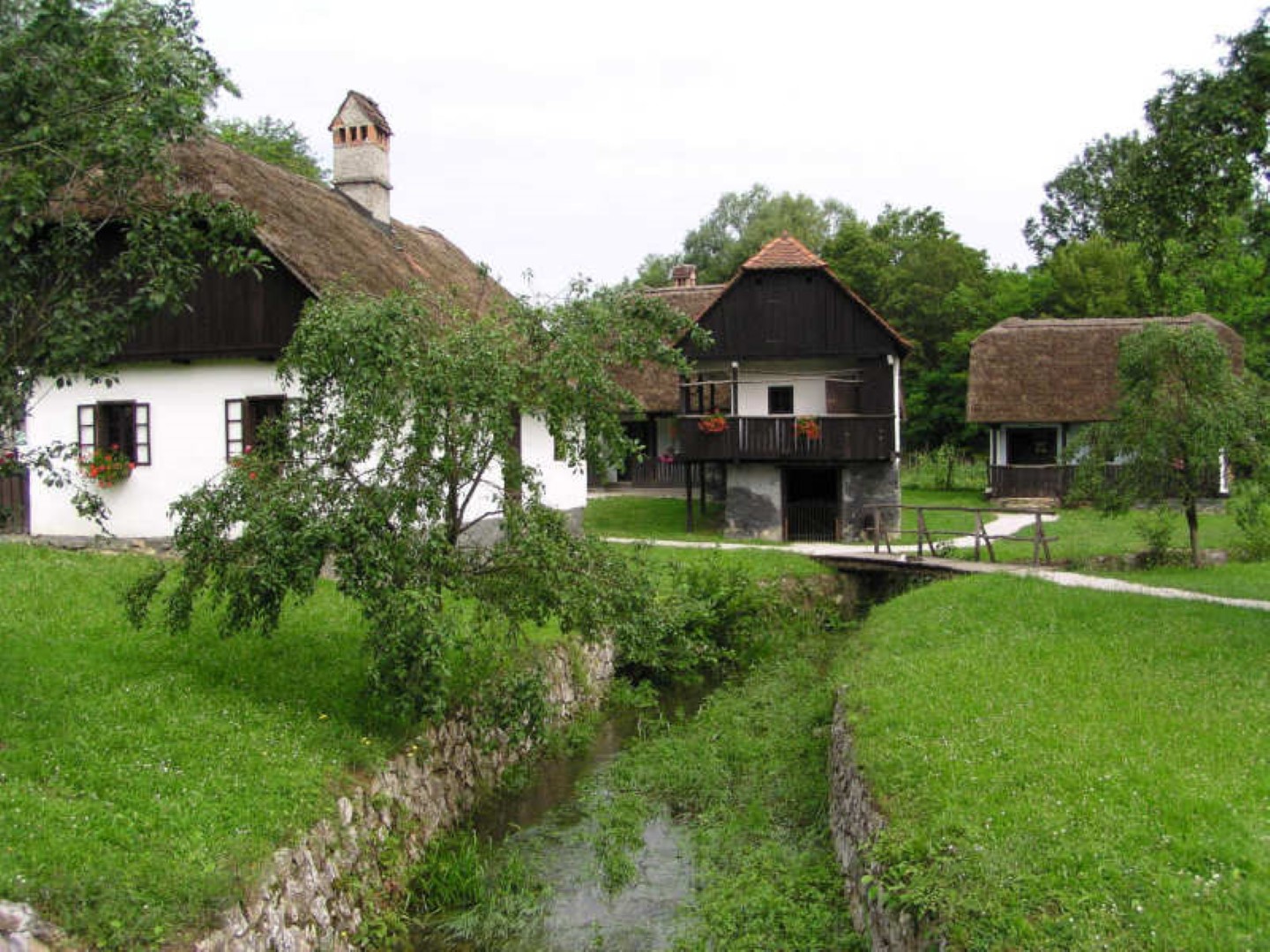
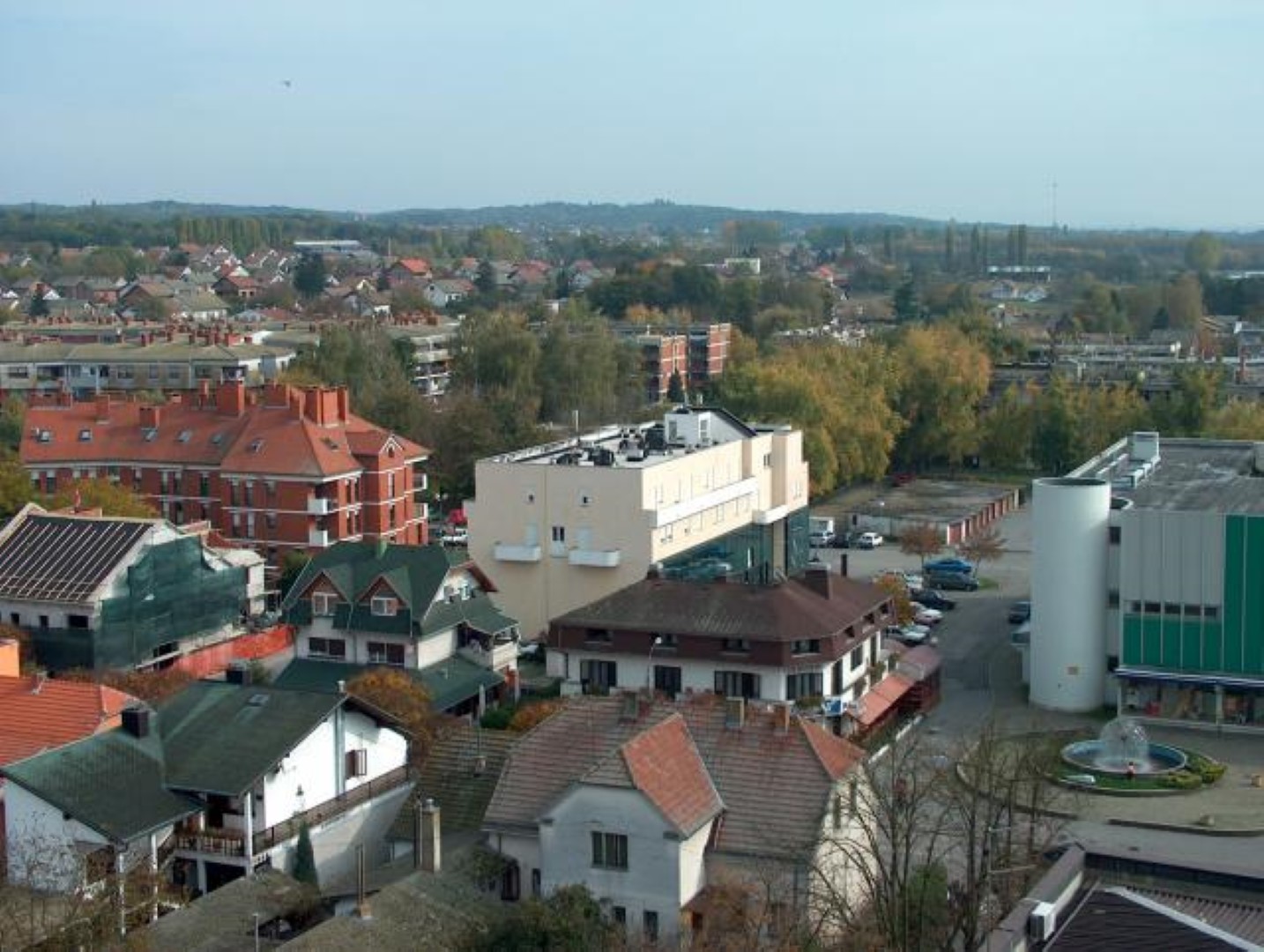
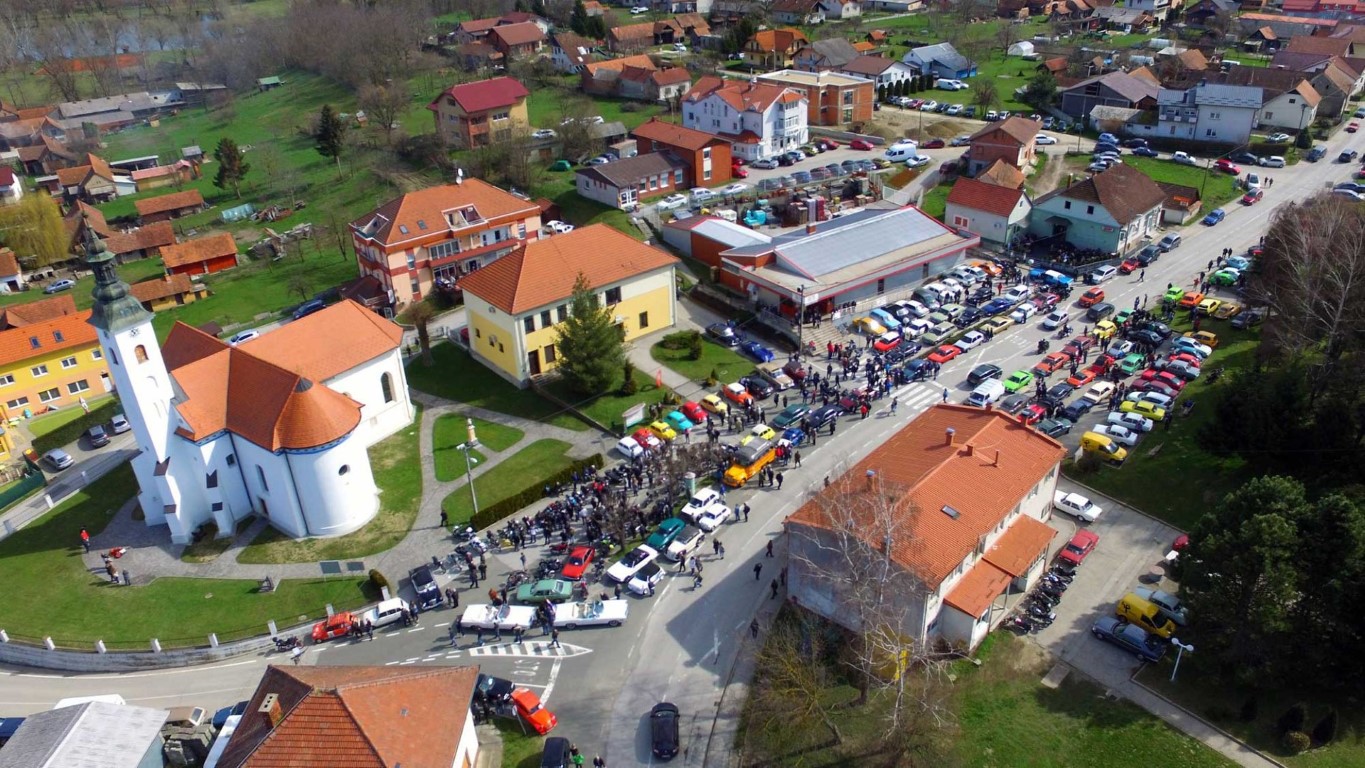
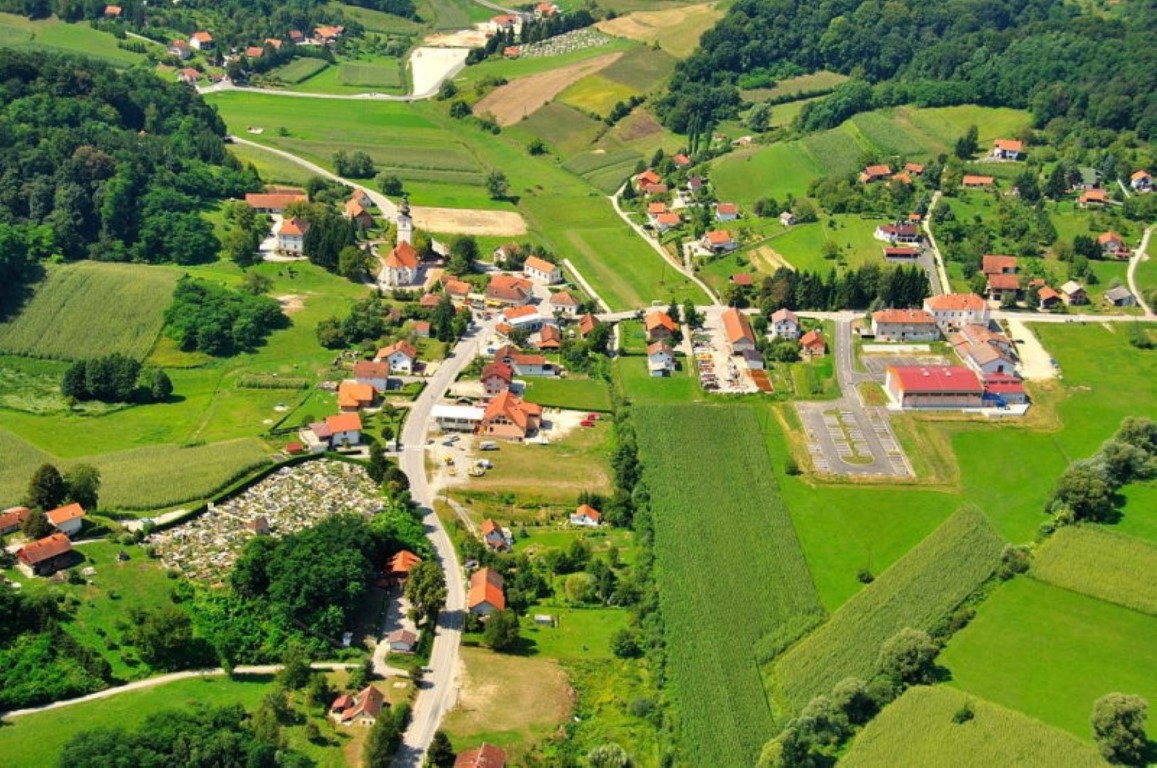
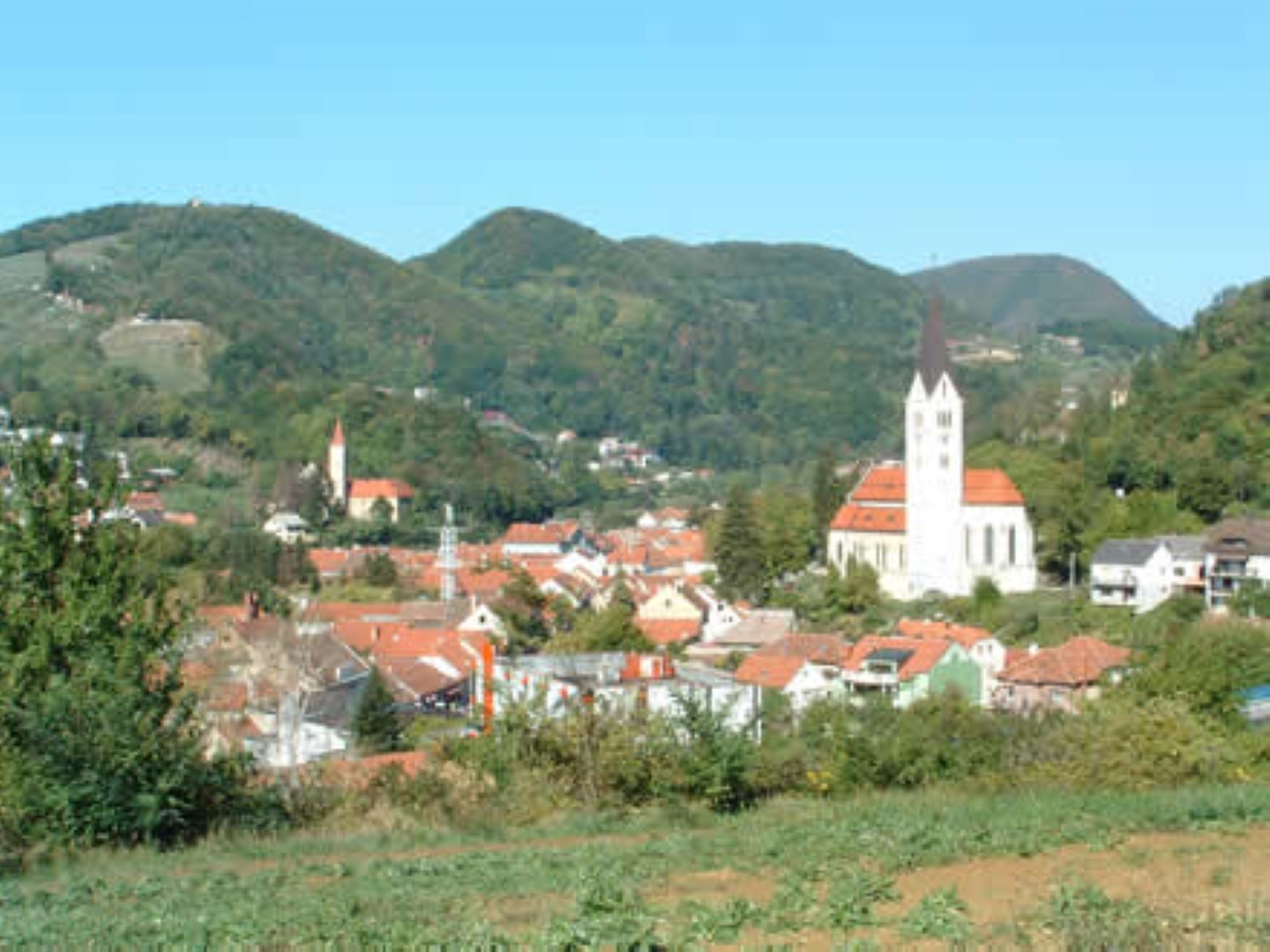
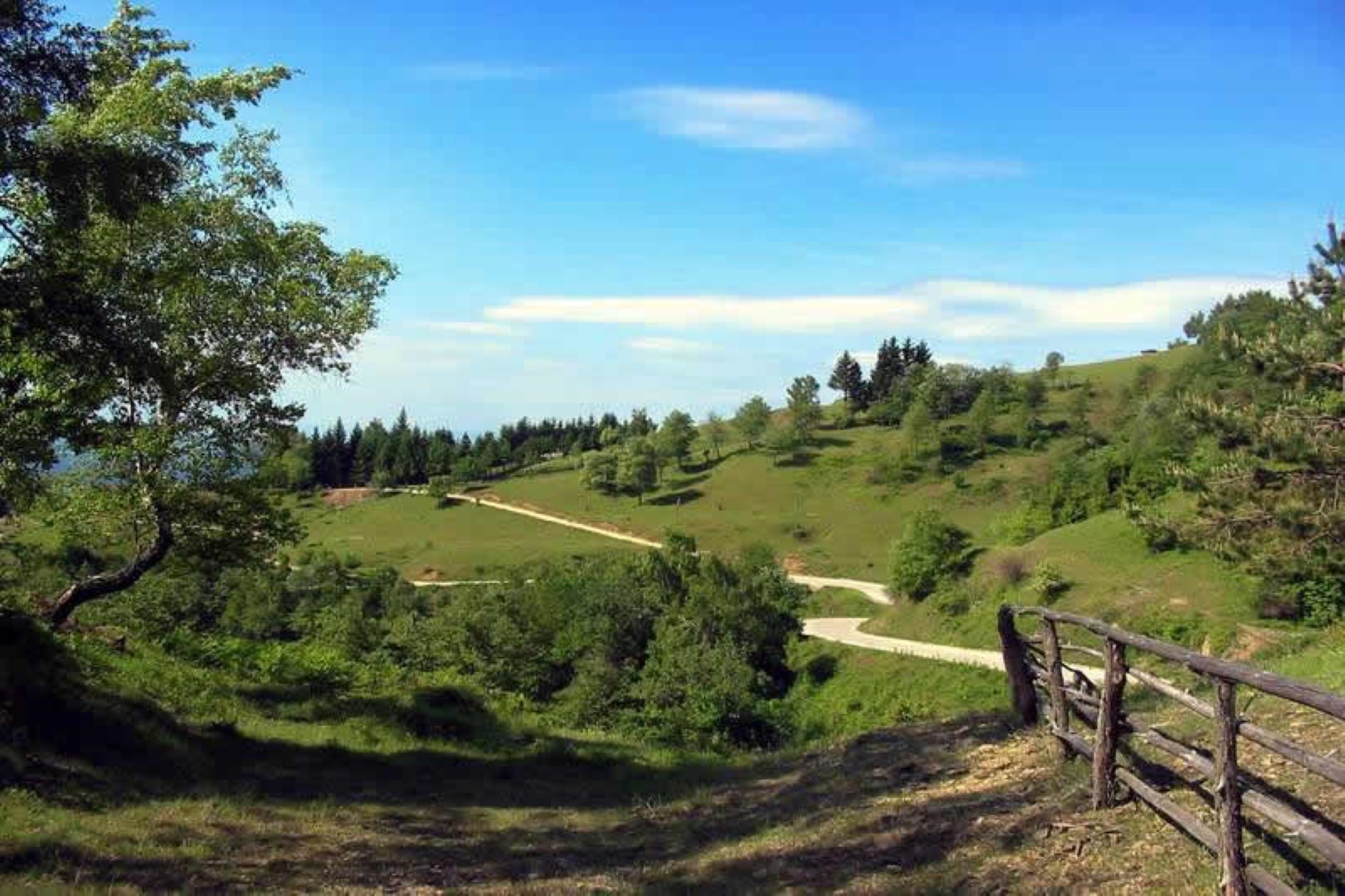
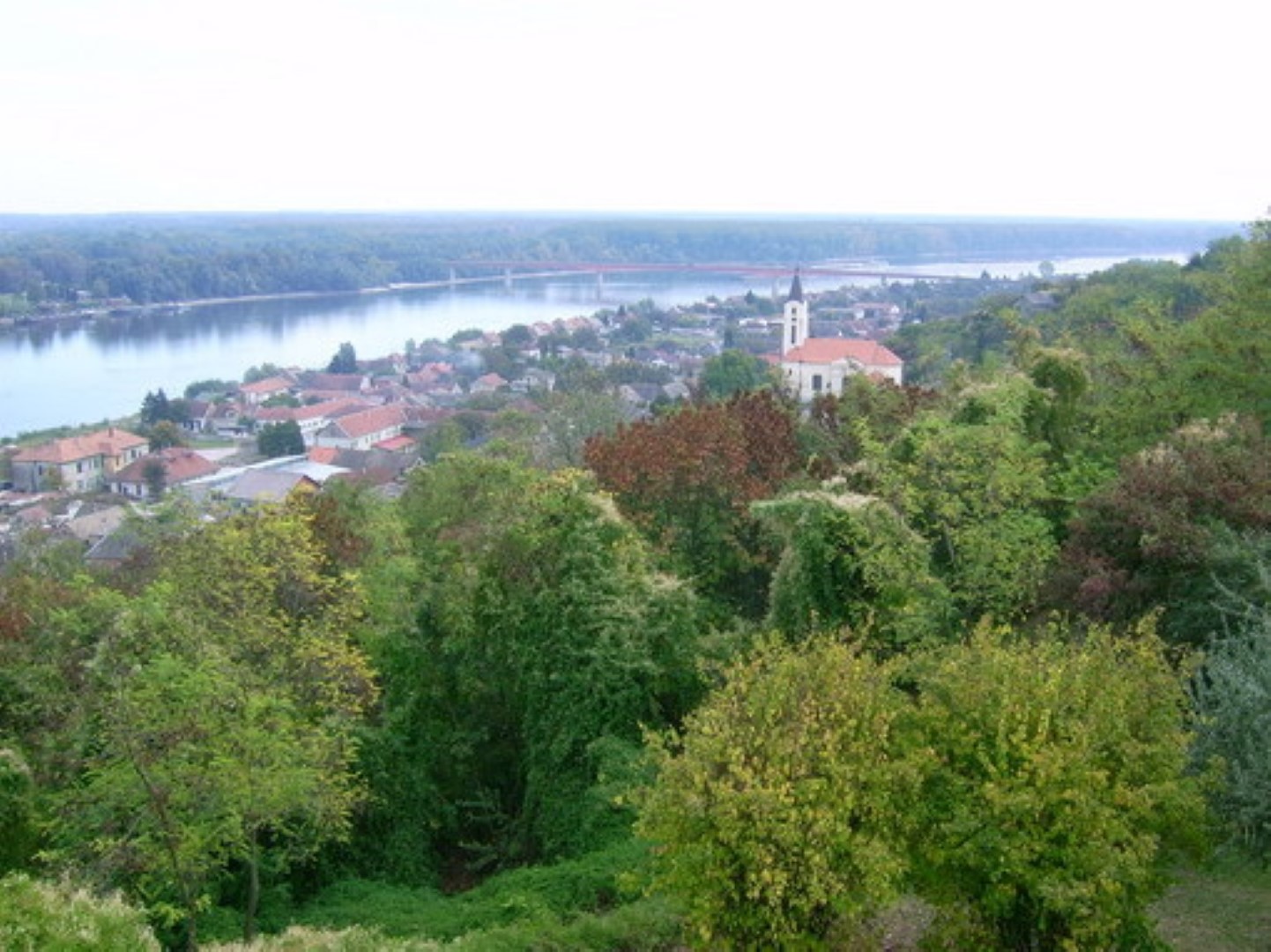
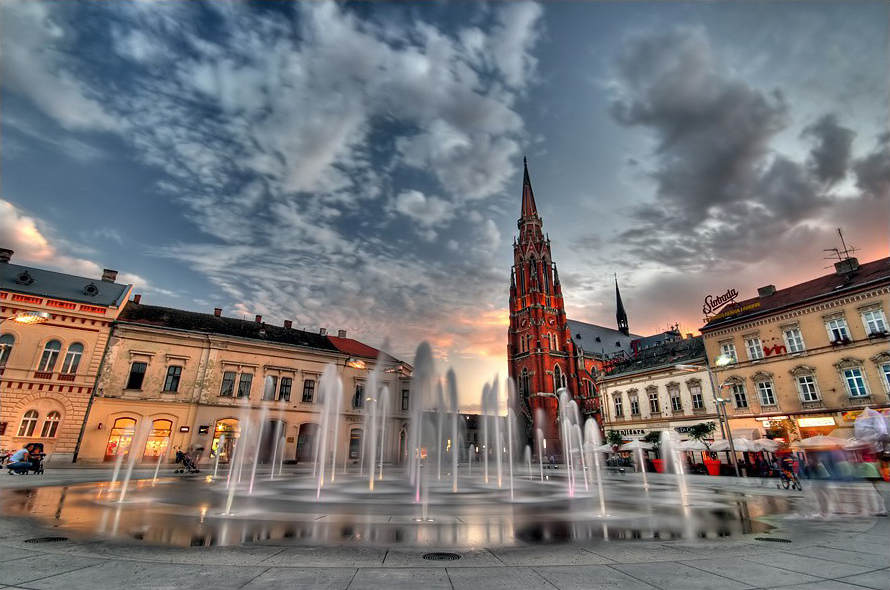
Probably the most interesting thing about accommodation in Slavonia is the fact that you can enjoy your stay in well known rural traditional households far away from stressful every day life. While you're in Slavonia, don't forget about Slavonian culinary specialties!


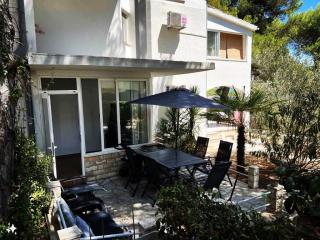
Price from € 55 per night

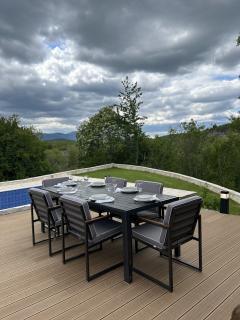
Price from € 45 per night
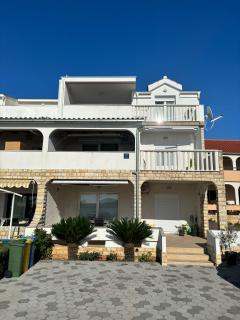
Price from € 55 per night

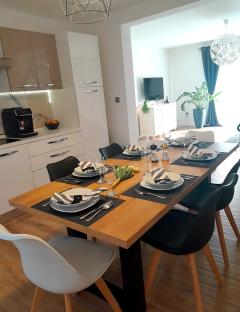
Price from € 40 per night

Price from € 35 per night
Price from € 280 per night

Price from € 98 per night

Price from € 190 per night

Price from € 25 per night